


Making School New
In and around Pittsburgh, a cross-sector network sponsors approaches to education that blend technology and peer-to-peer collaboration.

Suzie Boss is a journalist and consultant from Portland, Ore., who focuses on the power of teaching and learning to improve lives and transform communities. Co-author of Reinventing Project-Based Learning: Your Field Guide to Real-World Projects in the Digital Age, she is a regular contributor to Edutopia and is on the national faculty of the Buck Institute for Education. Her next book, on innovation in K-12 education, is scheduled for publication in spring 2012.

In and around Pittsburgh, a cross-sector network sponsors approaches to education that blend technology and peer-to-peer collaboration.
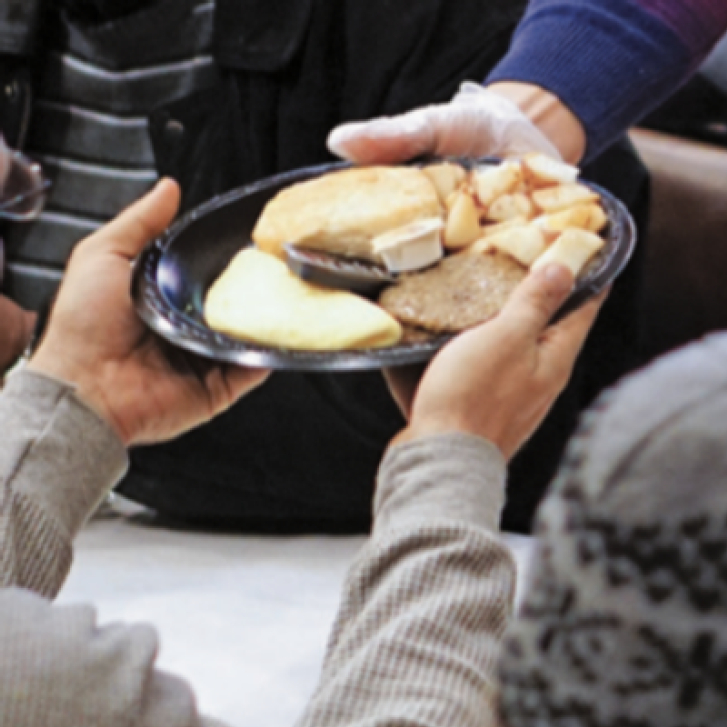
The Human Needs Index offers complex, near-real-time information on how people across the United States use social services.

An online tool called Project Sunroof provides homeowners with a clear picture of whether they should go solar.
Two recent initiatives deploy online learning technology to provide training for social sector professionals on a global scale.

A specially designed food cart that combines high social impact with reduced environmental impact.

RippleWorks helps entrepreneurs in the developing world tap the expertise of executives and engineers from Silicon Valley.
An online platform for “microbonds” promises to make it easier for people to invest public works projects.
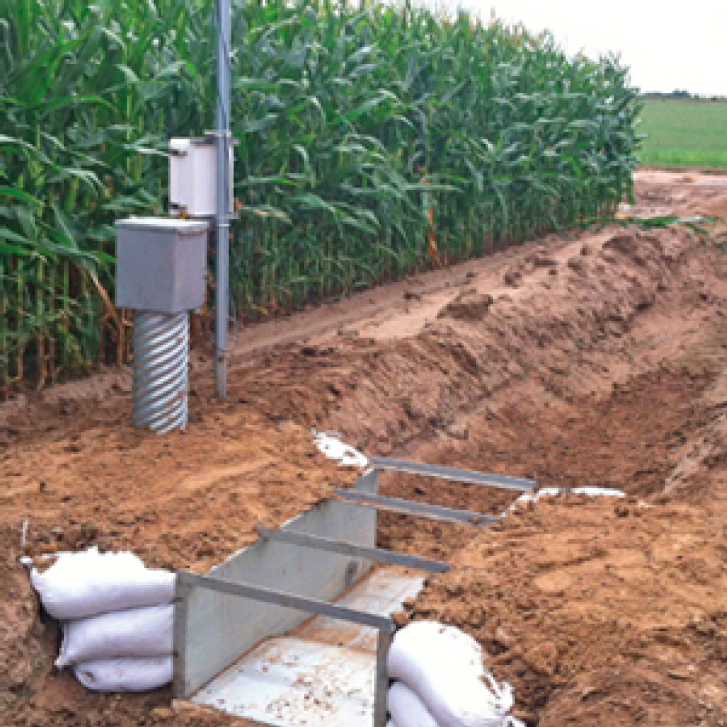
A system that combines software and sensors promises to improve farmers’ ability to manage, conserve, and lease water.
New tools and practices are helping low-income Americans use rent payments to build up their financial profile.
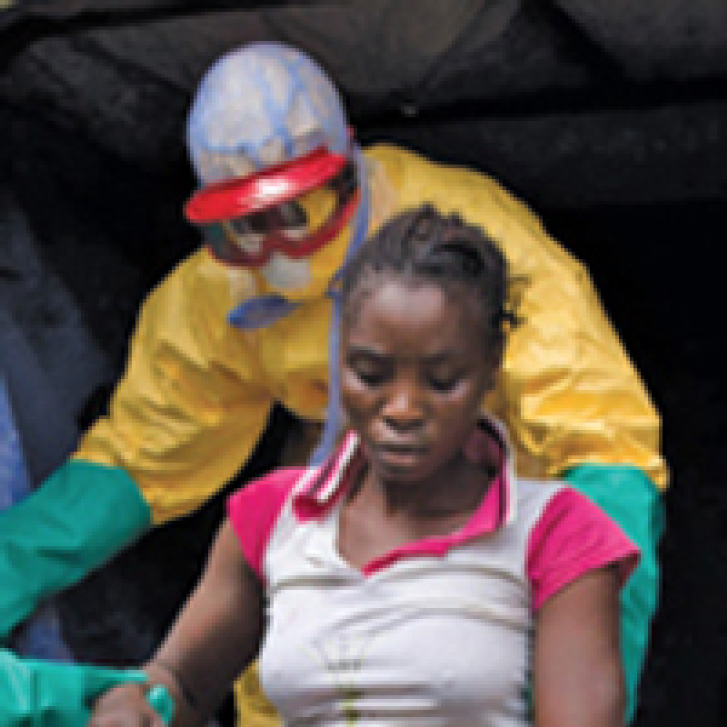
Listening closely to users has enabled developers to create digital tools that support responses to the recent Ebola outbreak.

A group in Lebanon deploys a wide range of methods—from mobile apps to street theater—to thwart bribe-taking by officials.

In a classic leapfrogging initiative, Libya has enabled its citizens to complete voter registration via digital messaging technology.
A combination of fresh funding and e-book technology will enable publishers to give new life to out-of-print scholarly works.
Sama Group, a social enterprise that connects disadvantaged people with digital work, is expanding its reach to the United States.
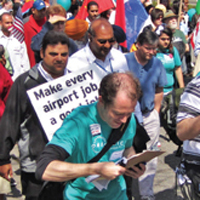
Through the Workers Lab, union leaders aim to nurture “audacious ideas” that might reinvent the US labor movement.

Researchers are exploring an unlikely venue for serving the critical health needs of African-American men.

In Boston, a new program will give low-income college students an alternative to toiling as unpaid interns.
To leverage data science for social good, one company is working to foster a bit of healthy competition.

Amid landing strips and airline terminals, threatened bee species are finding a much-needed new habitat.

A new regulation in Massachusetts aims to direct food waste away from landfills and toward more productive uses.
At two big-city libraries, patrons can check out a new approach to accessing a wide range of digital technology.

Despite their somewhat ominous reputation, drones are proving to have a wide range of beneficial applications.

A Silicon Valley start-up that operates earth-orbiting imaging satellites is making them available to social innovators.
Seven lending organizations are teaming up to meet the large-scale needs of smallholder farms in the developing world.

A team of social innovators is devising ways to put urban India on track to a tidier future.
Taking a lead from LEED certification, a new standard aims to promote healthy construction of homes, offices, and other structures.

Thanks to the New Teacher Center, beginning educators gain support that will help them thrive in a challenging profession.

In London, the YMCA is combining prefab construction with stylish design to create a new kind of affordable home.
A Web-based initiative uses analysis of social media chatter to locate hotspots of antisocial behavior.

Presenting content with a social message is the focus of a recently launched movie-streaming company.
In the wake of a recently passed law, companies in India are figuring out how to meet their CSR requirement.

Thanks to ROC USA, residents of mobile home parks can gain a real stake in the places where they live.
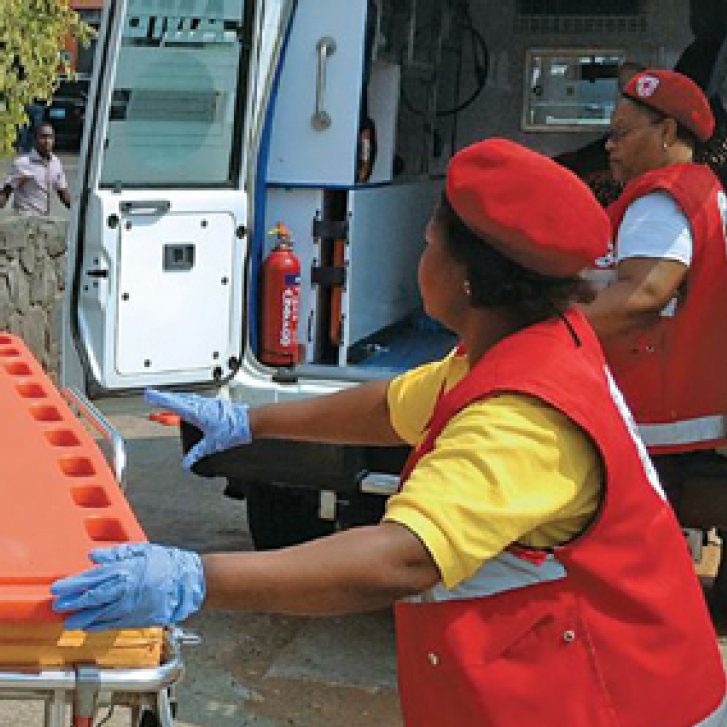
In Mozambique, an effort to train women as ambulance drivers enhances public safety and fosters opportunity.
Village Power Finance gives members of nonprofit associations a novel way to pay for solar conversion projects.

An online platform helps city governments to discover, organize, and market publicly owned property.
Local bike-lending arrangements offer an alternative to bigger, more complex bike-sharing systems.

A program in Alberta, Canada, showcases the way that people with disabilities contribute actively to their communities. Includes magazine extras.
In Accra, Ghana, social entrepreneurs are working to reinvent the public library for the 21st century.
Software from a group called Ultrasafe Ultrasound promises to make it harder to practice sex-selective abortion.

A $100 million foundation initiative aims to foster urban resilience in the face of disaster.
A state-of-the-art database gives nonprofit leaders a tool for building relationships with potential funders.

In troubled spots around the world, Right to Play shows how fun and games can be a serious tool for development.

At a "philanthropub," a new kind of bar and restaurant, a portion of each patron's bill goes to a worthy cause.
In some places, users of the US Supplemental Nutrition Assistance Program can supplement their diet via community supported agriculture.
A US National Archives program uses 21st-century technology to enlist ordinary citizens in the transcription of centuries-old documents.
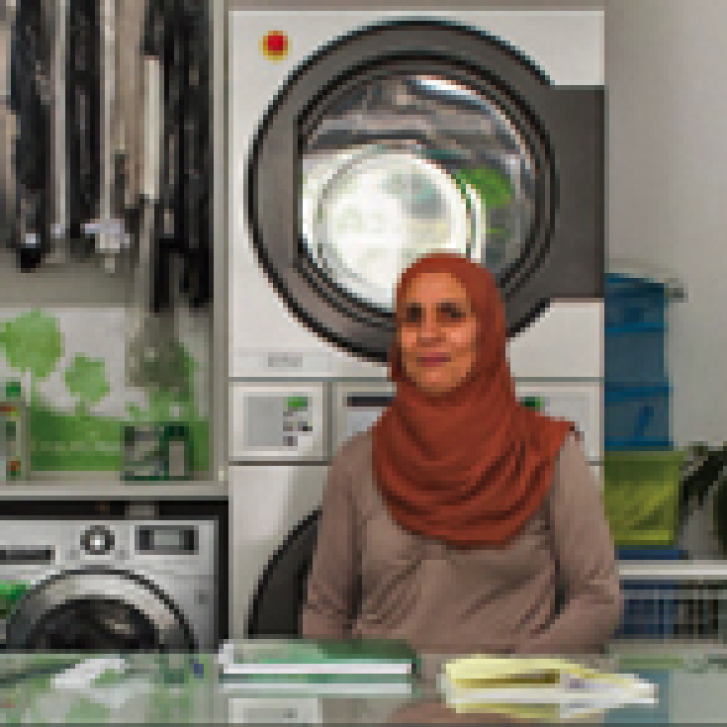
In Tunisia, the Souk At-tanmia project provides funding and technical support to budding entrepreneurs.

With hard data and soft skills, Communities in Schools fine-tunes its model to reduce dropout rates.
Social Finance Inc. offers a network-based alternative to government-sponsored student loan programs.
To support entrepreneurs in emerging markets, investors are drawing upon a financial tradition that dates back centuries.
The American Nonprofits Federal Credit Union will provide loans and other much-needed financial services to member organizations.

A community-based program in rural Kentucky uses face-to-face social networks to promote wellness.
D-Rev delivers affordable health care innovation to the places that need it most.
Donors want their money to be spent wisely, but knowing where to give can be difficult.
Can open conversations accelerate the spread of good ideas in global development?

The i2 Institute aims to catalyze hope across the Middle East.

In the aftermath of the US housing crisis, Habitat for Humanity is working to build not just affordable homes, but affordable communities.
State-sponsored pensions for private sector employees aim to stem US retirement insecurity.

The Center for Disaster Philanthropy aims to help donors make informed, smarter giving decisions.
At Center4, small organizations will be able to pool their problem-solving strategies and resources to incubate new solutions.

An open source web application draws on the wisdom of the crowds to give the blind access to images.
Free2Work is a mobile app that allows shoppers to scan a product for information on human rights and other issues.

Naya Jeevan aims to bring catastrophic health coverage to millions of low-skilled workers in India and Pakistan.


Oregon’s land-use policies have preserved farmland and led to smart urban growth.
SocialCoding4Good is developing an online platform to match skilled employees from the technology sector with causes that need technical help.
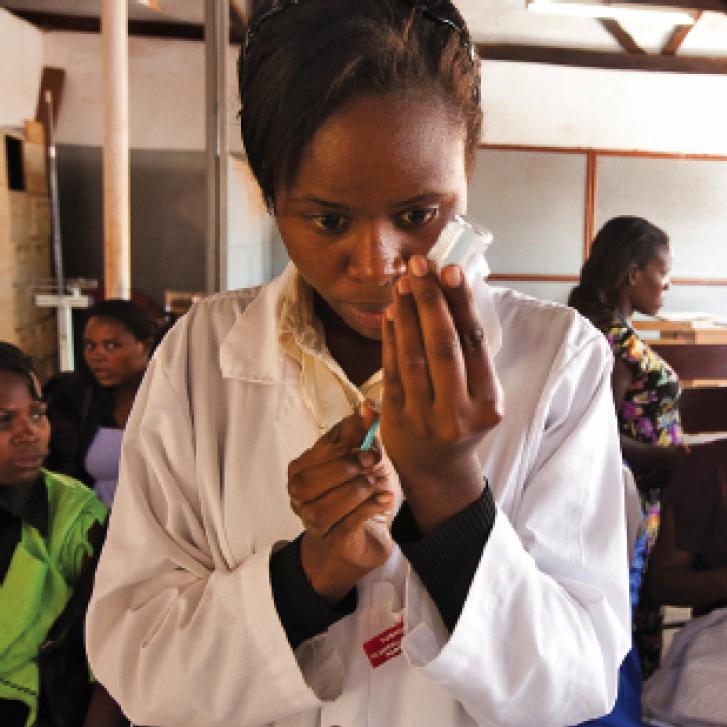
Merck for Mothers—a 10-year, $500 million initiative—aims to improve the odds for vulnerable women around the globe.
Agent-based modeling—a form of computer visualization—is being used to analyze a range of public health issues.

Getting companies to reduce their use of plastic is the focus of the Plastic Disclosure Project.
Data Without Borders matches tech-savy volunteers with organizations instead of data analysis.
The Entrepreneurial Finance Lab helps identify investment-worthy business people in developing countries.

MHV, a for-profit social enterprise, aims to make Bhutan a large-scale producer of hazelnuts.
Partners in Health and Abbott Laboratories are building a new plant in Corporant, Haiti to produce a therapeutic food called Nourimanba.
Venture for America launches two-year apprenticeships for aspiring entrepreneurs.


An EU Fisheries Commission Project pays fisherman to remove plastic debris from the Mediterranean Sea.

The National Math and Science Initiative aims to avert the crisis in secondary school education by replicating proven programs.
A new Facebook app helps incoming freshmen connect—but within the closed community of their college.

The Northwest Area Foundation learns—and shares—hard lessons from a 10-year initiative.

Nuru International identifies proven poverty-reduction programs and aims to take them to scale.
mPowering has created an app that awards goods and services to individuals facing extreme poverty when they make beneficial choices.
Foundation Source Access, the new eHarmony for family foundations, gives smaller donors access to a wide variety of innovative funding opportunities.
Engineers Without Borders’ new website, Admitting Failure, gives new life to “good failures.” It aims to help organizations learn from others’ mistakes.
Maternova is getting hundreds of life saving innovations to the front lines in developing countries using a new online platform.

At Panera Cares cafés, there’s a donation box where customers pay on the honor system.


New micro-deposit ATMs are being deployed to reach India's unbanked.
Code for America enlists young tech talents in a year of service at city halls across the country.
Impact Investors at Toniic aim to create an ecosystem for investing in social entrepreneurs that mirrors the Silicon Valley way of doing deals.
Worldreader.org is using electronic reading devices to catalyze a new culture of global literacy.
The Indian higher education system centers on one test. Avanti Fellows seeks to make the system more accessible to talented but underprivileged students.
Computer imaging technology gets put to work to fight child porn fast—five-millisecond-fast.

A low-income Cleveland neighborhood works together to revitalize the community in an environmentally responsible way.

The website Not In Our Town is combating prejudice by broadcasting anti-hate stories and campaigns.

Clean Energy Works Portland gets consumers—and the workforce—energized about weatherization.

Google DotOrg launched in 2004 with bold ambitions and almost $1 billion in seed funding. But the results have been less than stellar.