


 (Photo by Kari Hoglund/iStock)
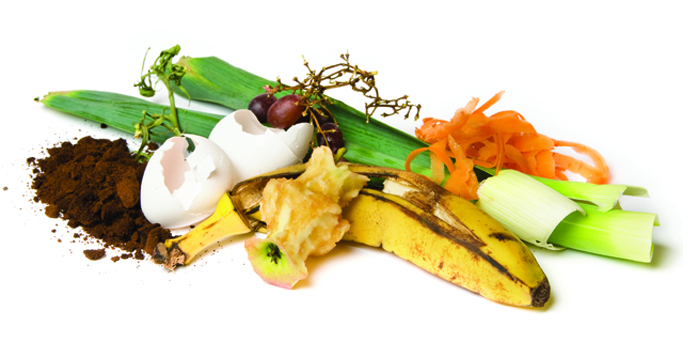
Brown bananas, stale bread, and other scraps from grocery aisles and commercial kitchens used to get dumped by the ton into Massachusetts landfills. Not anymore. In October, the Bay State put into effect a far-reaching ban on throwing away organic waste: For large producers that generate one ton or more of organic waste per week, the new ban means “compost or donate,” or else face penalties, says David Cash, commissioner of the Massachusetts Department of Environmental Protection (DEP). Statewide, about 1,700 entities are subject to the anti-dumping rule—the most aggressive regulation of its kind in the United States.
“Throwing organic waste in the garbage means wasting an economic opportunity,” Cash says. “We can use that material in effective, productive ways.” The new regulation will create a steady stream of organic material that can serve various purposes—from feeding the hungry to generating power to making high-quality fertilizer.
Massachusetts is not alone in looking for better ways to deal with organic waste. Residents of Seattle now face a fine if they toss too much food in the trash. The penalty for doing so is modest—just $1 per household per infraction—but it reinforces the city’s thou-shalt-compost message. Government regulation of this kind sends “a signal that we’ve reached the crisis point,” says Dana Frasz, executive director of Food Shift, an advocacy organization based in Oakland, Calif. For one thing, organic waste generates methane as it breaks down. “If our food waste were a country, it would be the third-largest greenhouse-gas emitter in the world,” Frasz notes. For another, millions of people in the United States go hungry, even as vast piles of salvageable food go to waste. “It’s a no-brainer that we have to address this paradox,” she says.
In implementing the new food waste policy, officials in Massachusetts have emphasized collaboration with business partners in the state. Supermarkets, college cafeterias, hospitals, and other organizations affected by the policy have had a voice in developing it. The state also provides technical assistance to producers. “It’s hands-on, on-site help to think through ‘How will this work in my facility?’” says Greg Cooper, director of business compliance at DEP. The grocery industry in Massachusetts started its own recycling certification program in 2005, and to date 300 stores have joined that effort. “We saw this ban coming,” says Brian Houghton, vice president of the Massachusetts Food Association. “Our guys are ready for it.”
Cost savings have been one reason for the smooth rollout. A single supermarket can save $10,000 to $20,000 per year on trash collection and dumping fees by composting or donating unsold organic material. “If you operate a chain of stores, that adds up fast,” Cash says. Nonetheless, he adds, the lack of push-back has been unusual: “This is the only environmental regulatory package I can think of where nobody has argued with us.”
To expand the market for organic waste solutions, Massachusetts has invested in various pilot projects. A dairy farm in the western part of the state, for example, now produces more than enough green electricity for its own operations by using bacteria to turn waste into biogas. As a byproduct of that process, the farm also makes high-quality organic fertilizer that it sells for extra revenue.
Another example of homegrown innovation is the Daily Table, a new kind of food store that will soon open in the Roxbury neighborhood of Boston. Founded by Doug Rauch, a former president of the grocery chain Trader Joe’s, the Daily Table will sell low-cost prepared foods made from blemished produce, almost-outdated dairy items, and other goods that are nearing their sell-by date.
Massachusetts officials are open-minded about solutions to the food waste problem. “We’re not picking a technology. We’re looking to the private sector to come up with innovative ways to use this material,” Cash says. Dealing with food waste on a national level will require an even greater commitment to cross-sector innovation, Frasz argues. “Right now, we have all these small, scrappy charity groups doing their damnedest to capture and redistribute food,” she says. “We spend $750 million a year to dispose of food waste in the United States. Why not invest a fraction of that amount in food recovery?”
Read more stories by Suzie Boss.