


Philanthropy & Funding
Funding the Invisible
How nonprofits in countries with conflict and closing civil spaces are doubly penalized in the funding world, and 10 ways funders can better serve them.

How nonprofits in countries with conflict and closing civil spaces are doubly penalized in the funding world, and 10 ways funders can better serve them.

Funders need to identify, embrace, and ultimately demystify compliance, reclaiming it as a tool that enables, rather than impedes, philanthropy’s essential purpose.

An excerpt from You Must Become an Algorithmic Problem on the internet’s social contract

Scaling mobile health care can address long-standing health-care system distribution and prevention problems in the United States that cost people their lives.
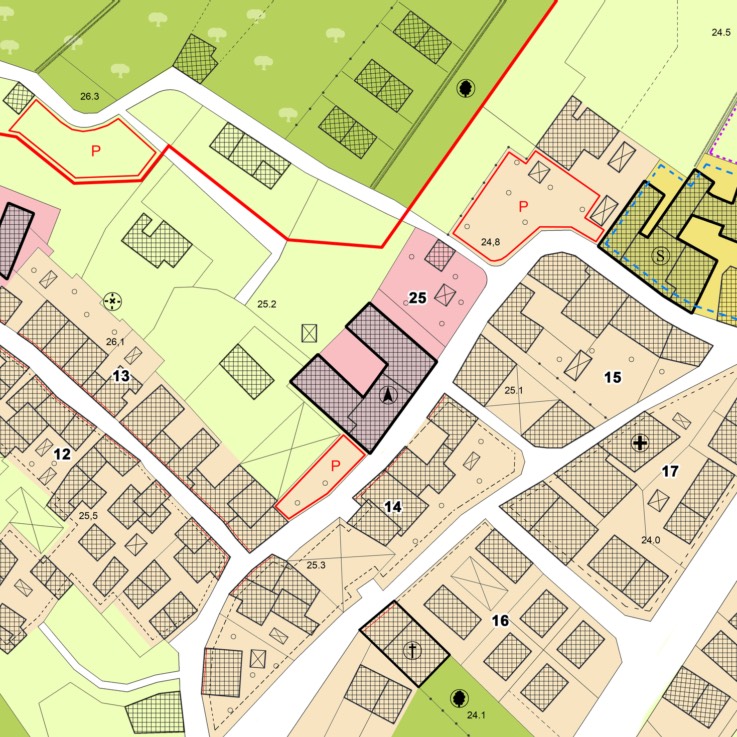
Smart Growth America's new Center for Zoning Solutions offers a headquarters for the zoning reform movement.


Rapid advances in AI threaten to eliminate many jobs, but there are still two distinct paths this AI revolution could take.

Five years after passage of the Evidence Act, has it worked? And what's next?

Instead of preparing for the distant future, philanthropy needs to work to prepare for the here and now.

There is a ripe opportunity to innovate, fueled by market forces currently at play.

Ken Pucker responds to his readers’ critiques of his Up for Debate article “A Circle That Isn’t Easily Squared” and reiterates his call for a systemic shift in how the fashion industry does business.