

Civil Society and American Exceptionalism
American civil society has a history of and reputation for political independence—and alongside it, accountability, transparency, and governance. But these unique qualities are at risk.
Social innovations that enrich society and enhance democratic participation (more)
American civil society has a history of and reputation for political independence—and alongside it, accountability, transparency, and governance. But these unique qualities are at risk.
Cities continue to be the place where citizens can engage most directly with government—especially when nonprofits are there to offer capacity, expertise, and reach.
Everyone in the public and nonprofit sectors has a role to play in fostering volunteerism, and engagement can pay dividends for all.
Civics has always been a deep-rooted part of American culture. It’s time to get it back into our classrooms.

In No Place Like Home: Lessons from Activism in LGBT Kansas, C. J. Janovy offers up progressive lessons in a red state.
Civil society can act directly to solve critical problems, but its indirect effect might be just as important: allowing individuals to participate, collaborate, and—in the process—develop into citizens capable of upholding democracy.
As America undergoes dramatic upheavals, one of the ways to understand these changes and to come up with solutions is to examine them through the lens of civil society.
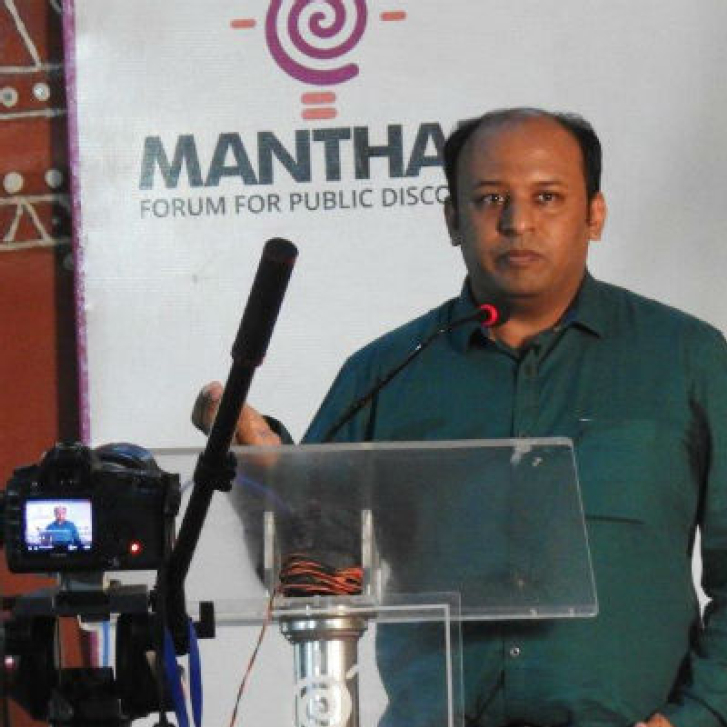
The non-partisan fact-checking website AltNews aims to curb the spread of misinformation on social media.

In Winners Take All, writer Anand Giridharadas calls out the hypocrisies of philanthropists.
Why millennials’ values and ethos make them uniquely poised to close America’s civic leadership gap, and how to tap into their civic spirit.