


Pooling for Power
How immediate, concrete, and even larger-scale social change can happen when philanthropy and collective action meet
Social innovations that enrich society and enhance democratic participation (more)
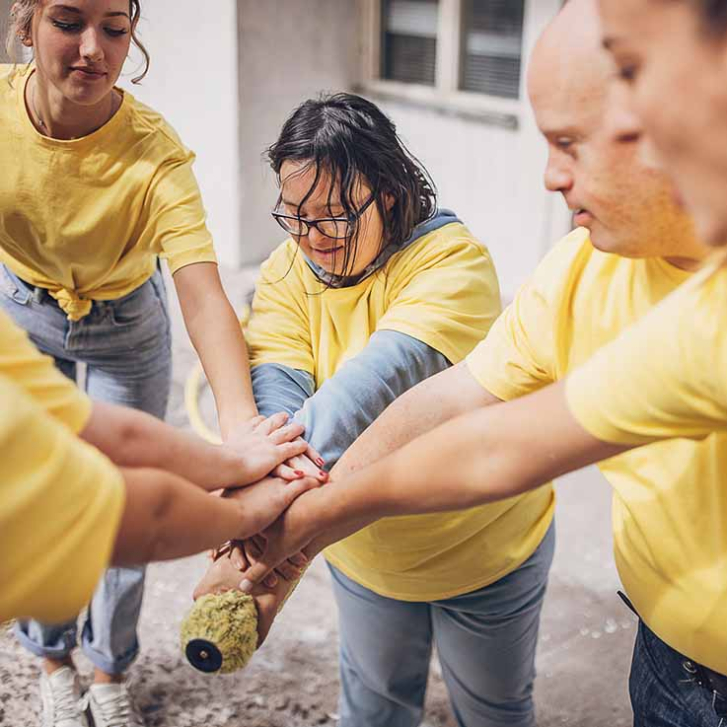
How immediate, concrete, and even larger-scale social change can happen when philanthropy and collective action meet
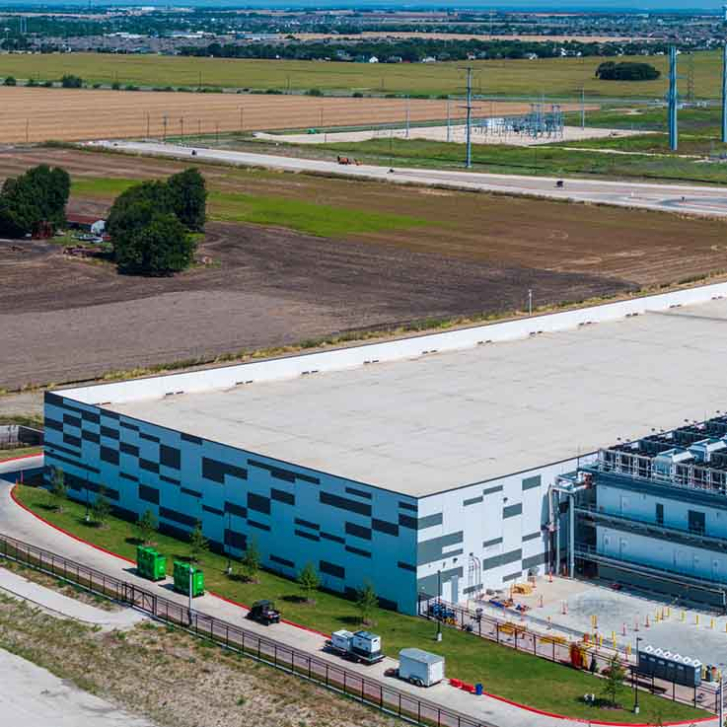
The backlash we are witnessing reflects both a public frustration with how data centers are being built and growing distrust of what the data center build-out is powering. It is a two-tiered problem that must be tackled in tandem.
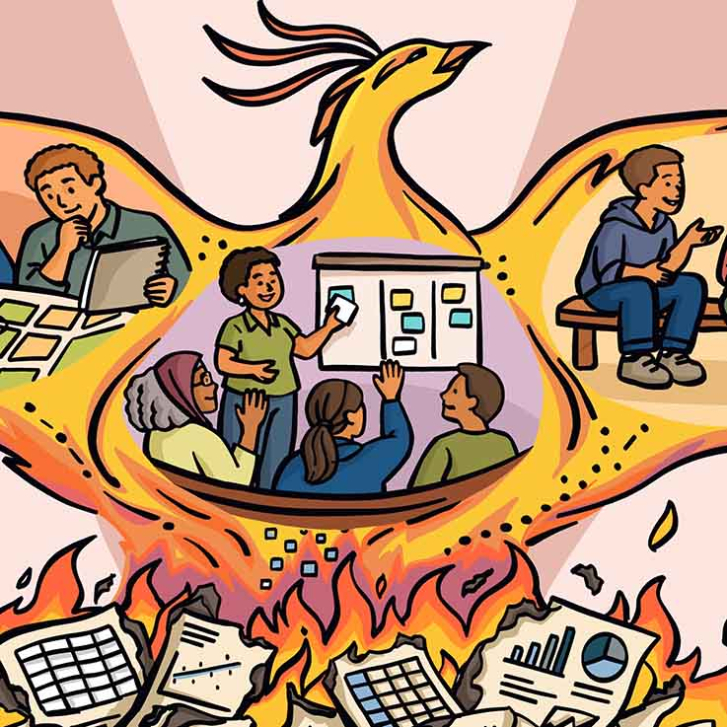
The current federal data system that we've relied on for decades is collapsing. While alarming, we now have a rare opportunity to confront the shortcomings of the old system and reimagine a better, more inclusive data system that truly serves us all.
As the United States joins the ranks of countries with contracting civic space, some lessons from funders with experience working amidst uncertainty.
Revitalizing communities that have been hit hard by post-industrial decline can take decades, but government and philanthropy often operate on short-term funding timelines. In this episode, Barbara Wheeler-Bride talks with Bo Kemp, CEO of the Southland Development Authority, about this mismatch, and how his nonprofit is working with individuals, businesses, and municipalities in Chicago's south suburbs to reinvigorate the economy. Their innovative strategies, including owning assets like housing and property, could provide a template for other struggling regions across the United States. Giving With Impact is developed with the support of DAFgiving360®
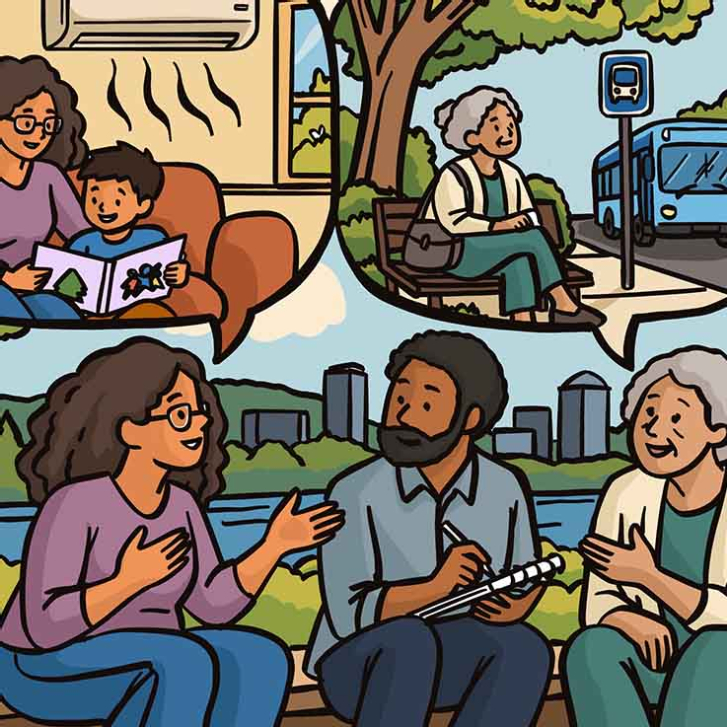
Portland residents explained what makes a building livable in a heat wave. Their responses became the basis for statewide climate policy.
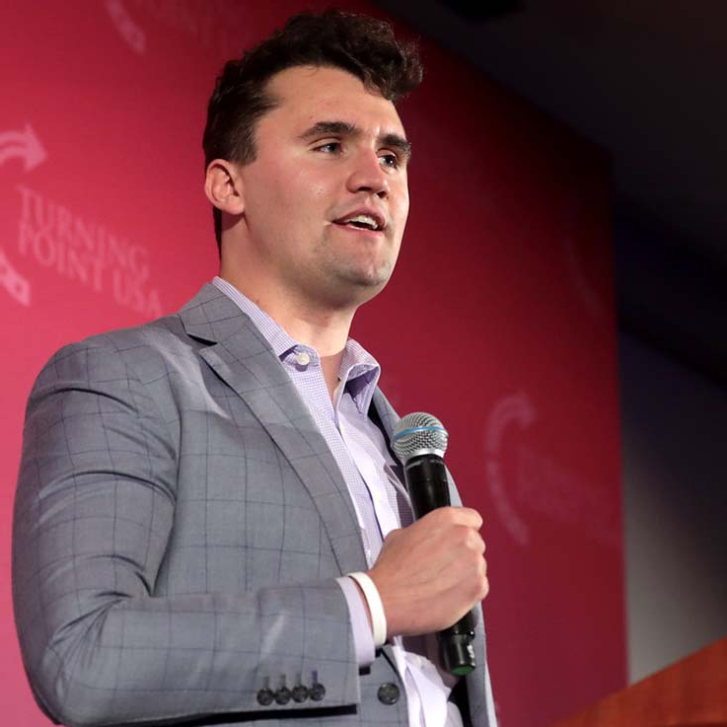
The Turning Point USA founder's obituaries invoked his desire to build a conservative MoveOn. What he built instead is revealing about the structure, strategies, and outcomes of political advocacy organizations.
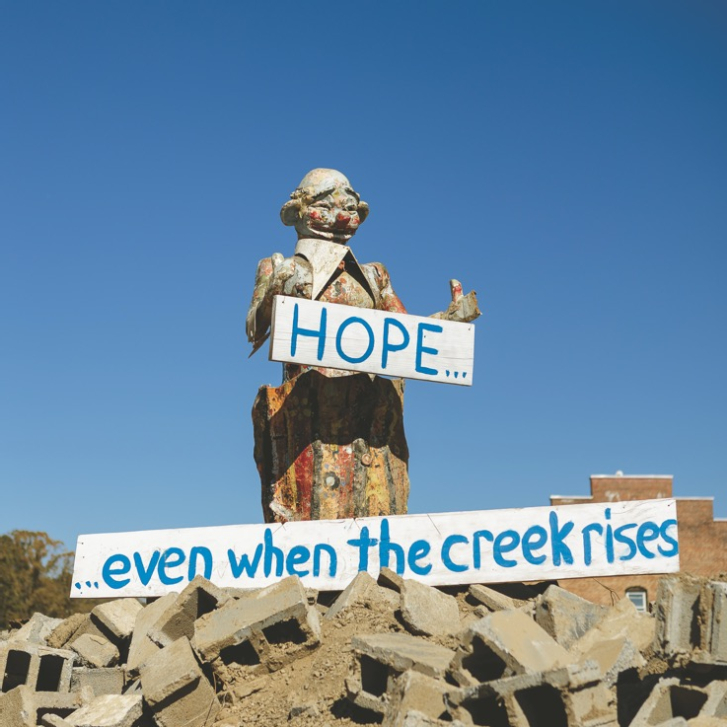
Appalachia's trust-based recovery from climate disaster offers a vision of the future and a road map to follow, for anywhere in the world where underdeveloped infrastructure is exposed to climate volatility.
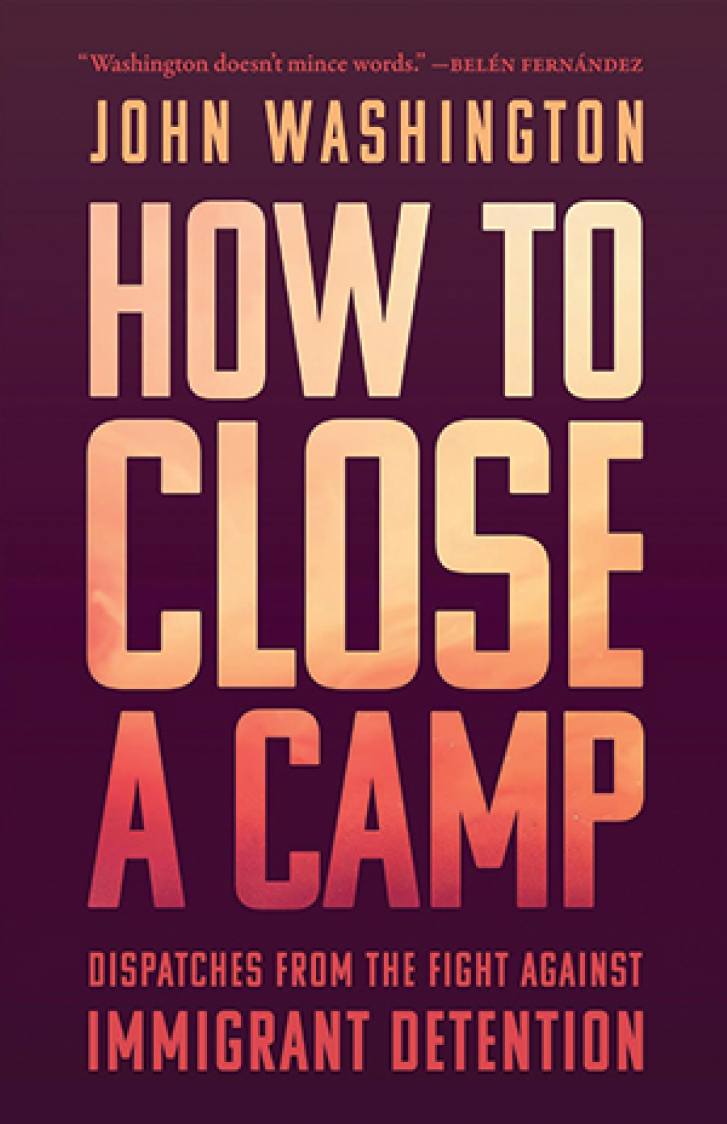
John Washington’s How to Close a Camp explores the contemporary growth of immigrant detainment facilities under the Trump administration but argues that entrenched political failures are what makes them possible and what must be addressed.
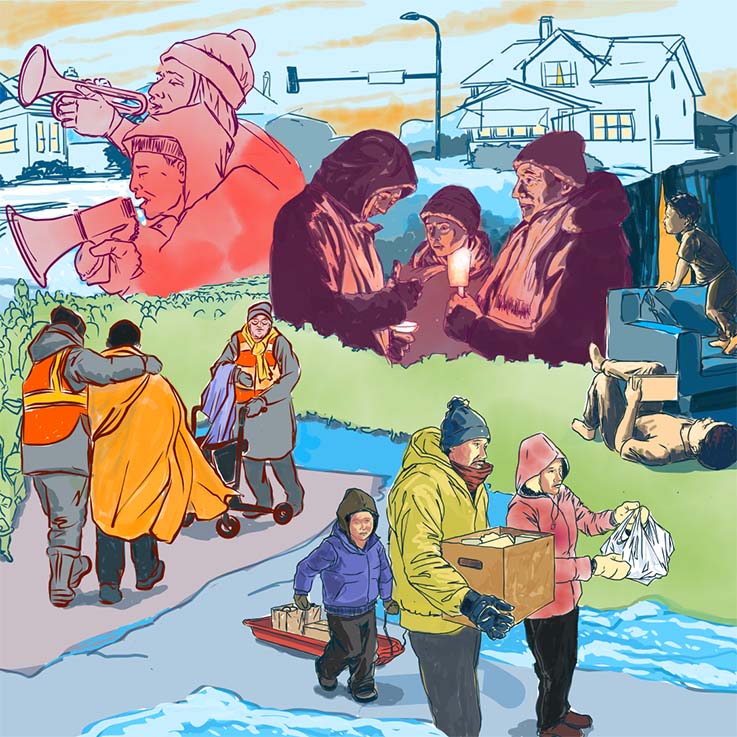
Lessons from Los Angeles, Chicago, and Minneapolis on defending our neighbors and democracy