IMPACT INDIA
Q&A With Ratan Tata
Since becoming chairman of Tata Trusts, Ratan Tata has shifted the trusts’ focus from charitable work to programs that seek to transform lives.
New and innovative ideas for leaders of foundations (more)
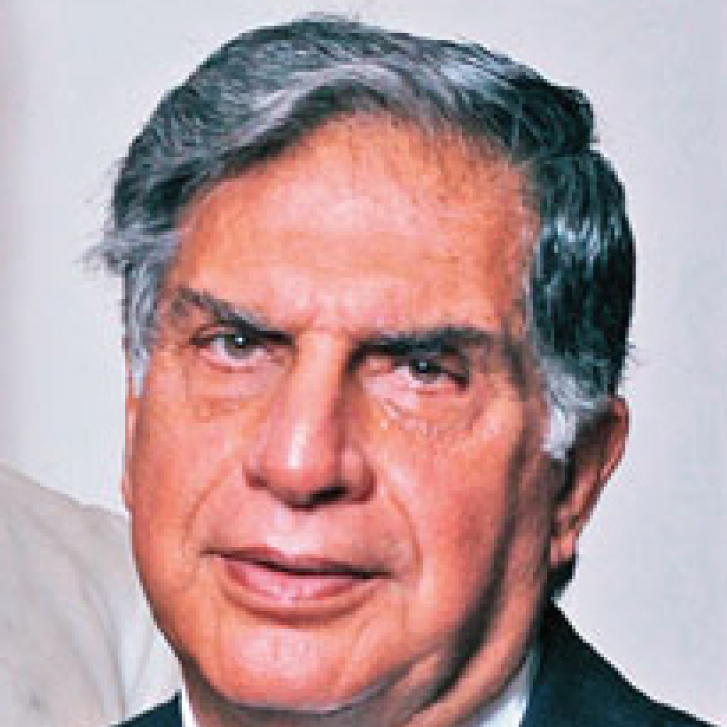
Since becoming chairman of Tata Trusts, Ratan Tata has shifted the trusts’ focus from charitable work to programs that seek to transform lives.
To bring more resources to bear on the challenges facing children and families, funders can step outside their traditional grantmaking role to invest in innovative and mission-focused efforts.

Many organizations are creating and disseminating knowledge about the practice of philanthropy, but does that information actually influence how funders operate?
Most foundations have endowments with invested assets—but many don’t see themselves as institutional investors. As a result, they are leaving behind some of their influence.
Foundations have an important role to play in impact investing—in building platforms and products that efficiently mobilize capital, mitigate risk, and improve liquidity.
We need to double down on the gritty business of impact. Here’s how.
The changing US political playground requires that foundations both focus on what works and actively explore what might work in uncertain times ahead.
How foundations can reimagine a proven philanthropic tool to more effectively address today’s social and environmental challenges.
As impact investing expands in scope and sophistication, foundations are leading the way.

This series, produced in partnership with Mission Investors Exchange, will explore what’s next in impact investing and what we can learn from some of the most innovative foundations.