How Philanthropy Can Help Bridge America’s Political Divide
The imperative to invest in risky collaboration has never been greater.
New and innovative ideas for leaders of foundations (more)
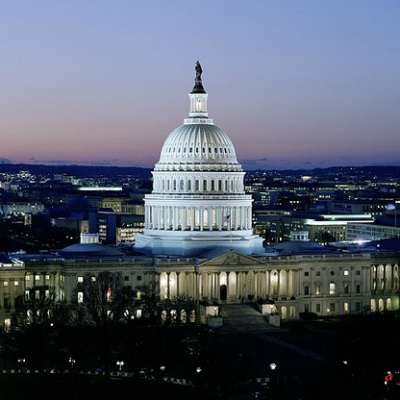
The imperative to invest in risky collaboration has never been greater.
Given that all charities and charitable foundations exist to serve the public good, why do so few hold their meetings in public?
George Soros’s $500 million investment announcement following the first-ever UN summit on migrants and refugees sets an example for how all investors could engage in “migrant lens investing."
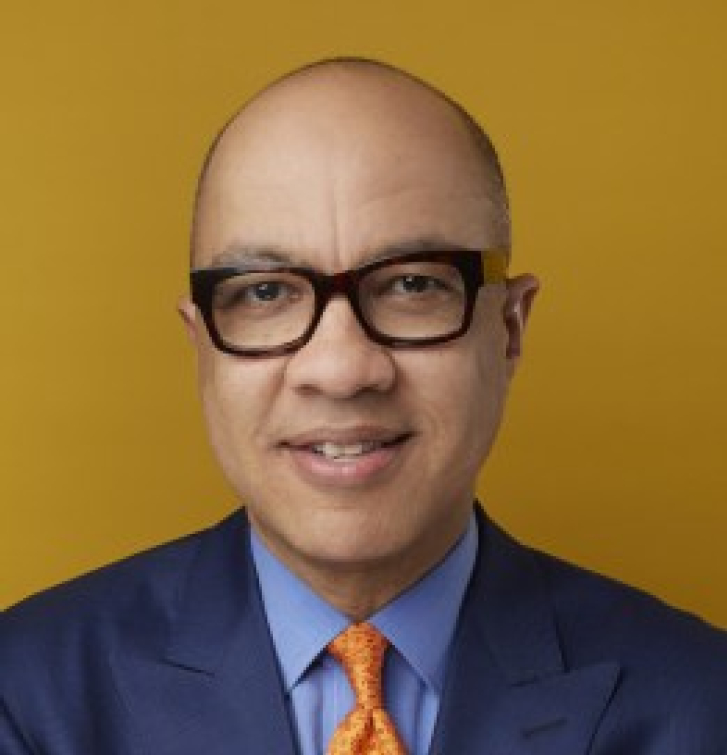
Ford Foundation president Darren Walker talks with SSIR senior editor Michael Slind about what organizations like his can do to address inequality.

A clear definition of equity would seem paramount to galvanizing philanthropy into action around this increasingly used term—but the field is only beginning to explore what it really means.
Grantmakers and nonprofits can face today’s pressing social issues only if we break down the walls between us and see each other as partners on the same side.
Grantee inclusion can help correct the power imbalance not only between foundations and nonprofits, but also between marginalized communities and the broader power structures that perpetuate inequity.
True grantee-funder partnerships are based on a shared vision of the future. Creating a strategy to achieve that vision requires listening and clearly defining roles.
It’s critical to test different approaches to grantee inclusion and to incorporate new learning along the way.

Three practices successful social sector partnerships can adopt to improve their alignment and generate better results.