


Risks for the Future We Want
Philanthropists must learn from protesters and reimagine the formula for making change on racial justice.
New ideas for building stronger, more engaged boards of directors and other governing bodies (more)

Philanthropists must learn from protesters and reimagine the formula for making change on racial justice.

A nonprofit that finds itself in a position of strength amid a rapidly changing world may do more for social change by handing its assets to another organization better equipped to navigate the future.

The long-term impact that the COVID-19 pandemic will have on society is still uncertain, but the tools of scenario planning can help social sector leaders better prepare their organizations for the different, possible futures that may unfold. Part of a series on civil society's response to the pandemic.
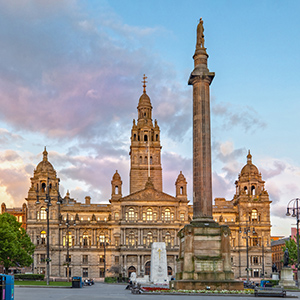
Embedding action through research by placing the Sustainable Development Goals at the center of university planning. Part of the Innovating Higher Education series.

Lessons learned at Friends of the Children about maintaining stability in service during this crisis and the next one.
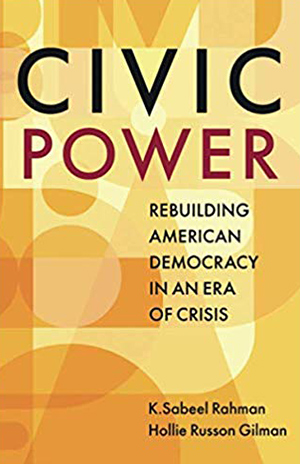

Good civic health looks like people making meaningful connections with their neighbors, public officials, and contributing to governance decision-making. But what will become of civic life during COVID-19 Part of the series Rethinking Social Change in the Face of Coronavirus.
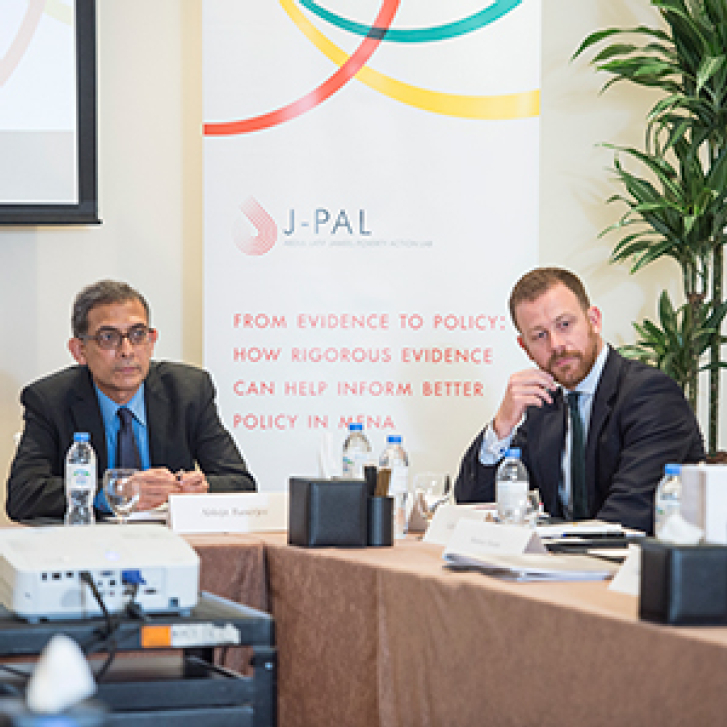
How the Abdul Latif Jameel Poverty Action Lab (J-PAL) and the Evidence to Policy (E2P) community are integrating innovation and evidence into social policy and practice at scale.
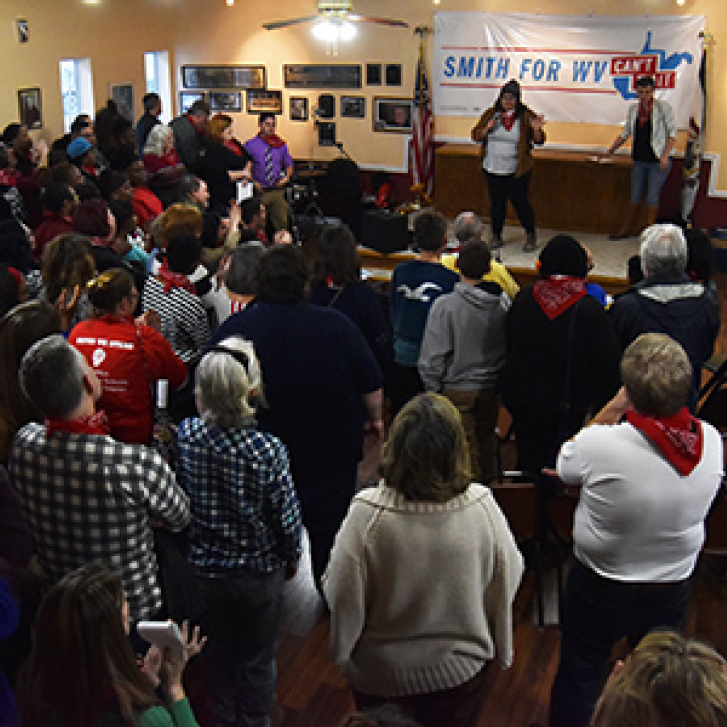
How the West Virginia Can’t Wait movement is using a gubernatorial race as a platform to raise up new leaders for the future, win or lose.
In response to the coronavirus epidemic, SSIR has temporarily halted seeking submissions for a series on extreme polarization and how it affects civil society's efforts to solve social problems, and how to build collaborations, communicate with the public, and manage conflict in a divided world.