Mobilizing Youth in the Philippines
The artist-activist collective DAKILA is organizing young people to push for their own political agenda.
Innovative public sector policies and programs (more)
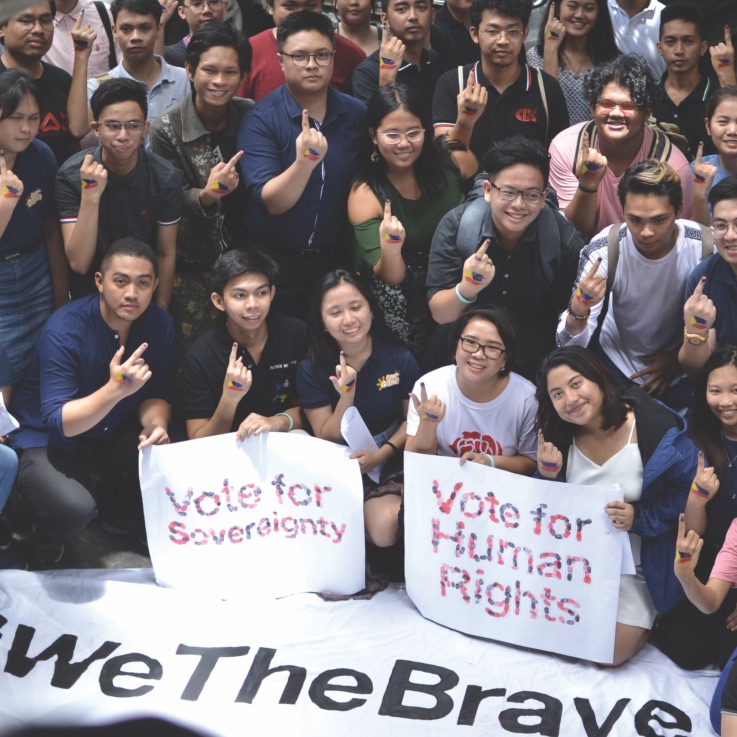
The artist-activist collective DAKILA is organizing young people to push for their own political agenda.
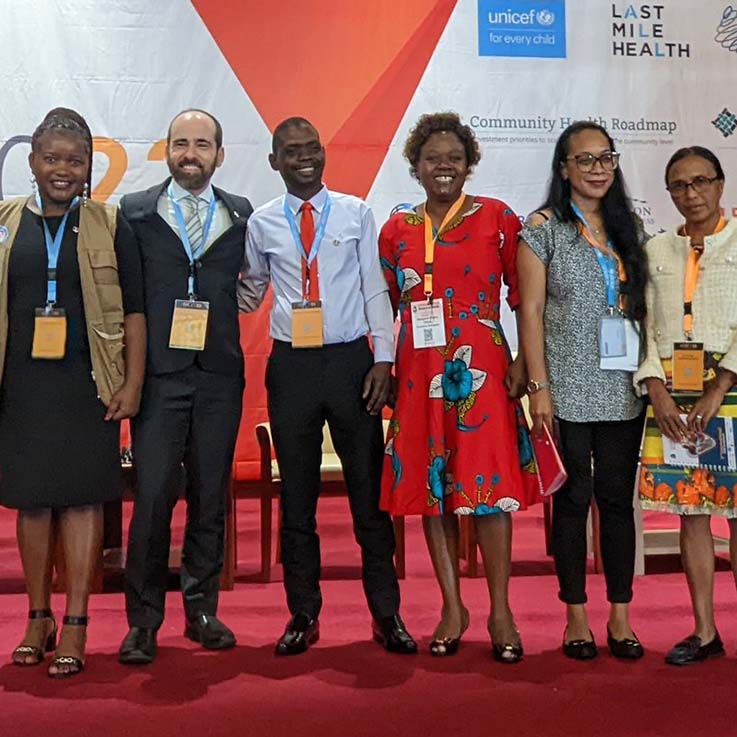
Health coalitions did the research, coordinated with donors, and secured strong government buy-in. Now, community health workers are finally getting the credit—and pay—they deserve.
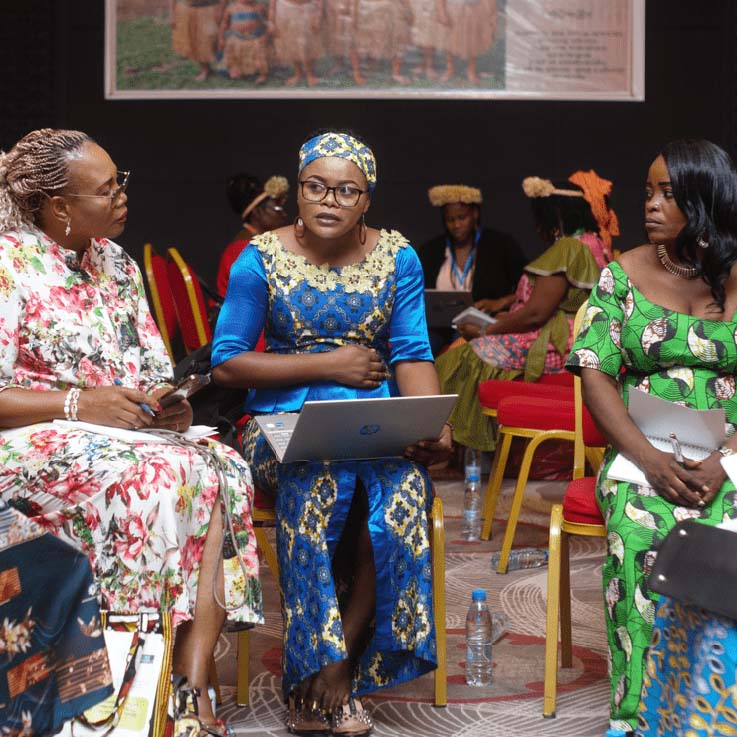
Indigenous and local community-centered solutions to deforestation are among the most effective and enduring strategies for mitigating climate change. Social innovators in these communities pioneered a new playbook for getting the world to take notice.
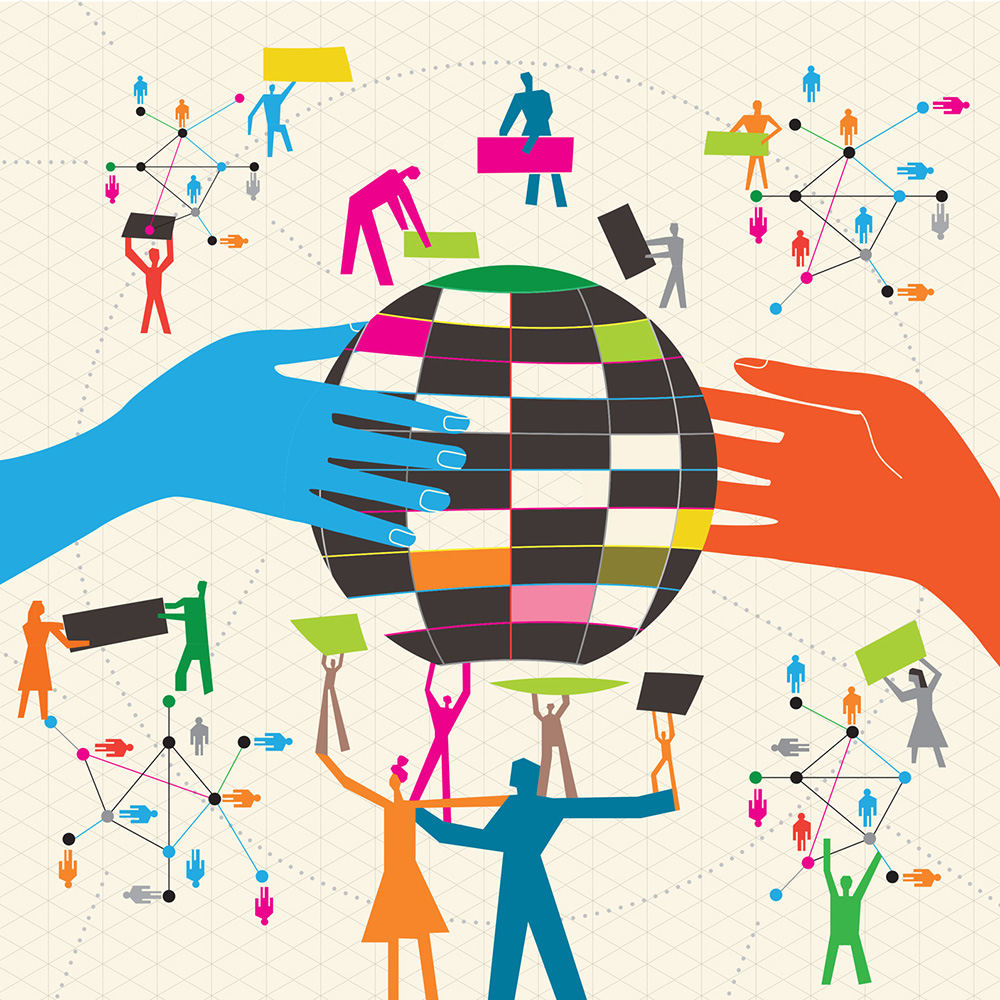
This follow-up to “Social Innovation and the Journey to Transformation,” sponsored by the Skoll Foundation, explores how bold social innovators shift systems through collective action. The series offers adaptable playbooks for social innovators, partners, and funders to learn from and apply to their work.
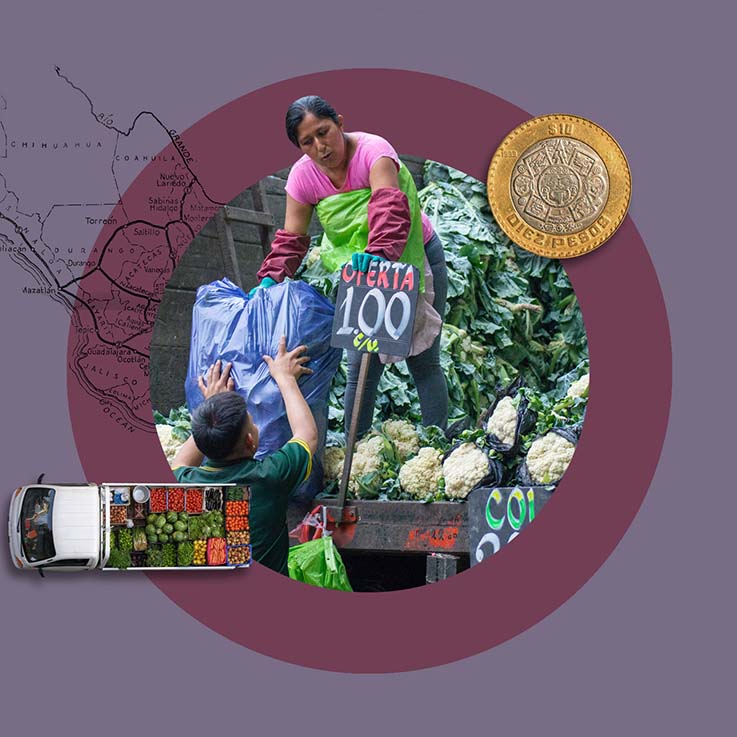
How philanthropy can help build a more resilient and equitable food system through agroecology
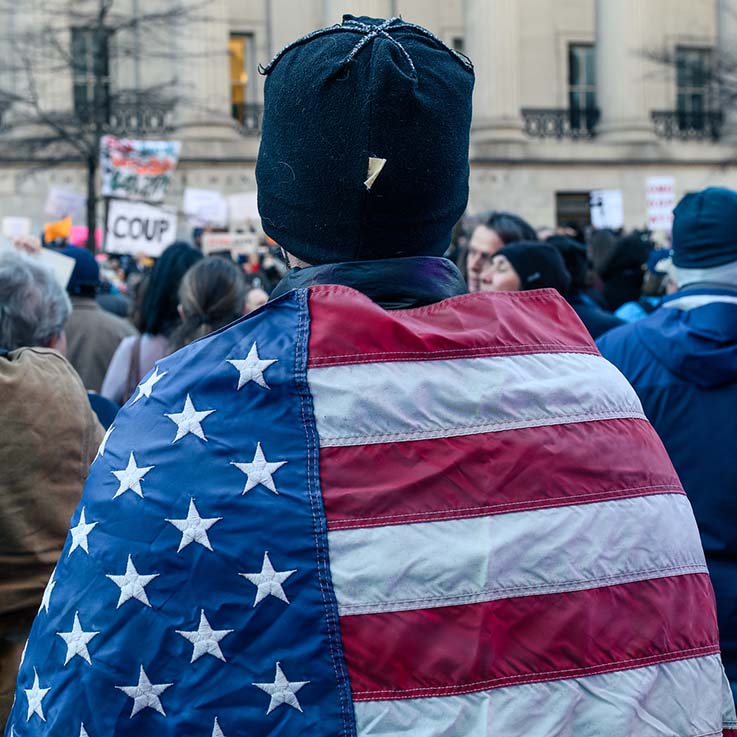
Own your work and your success. Speak plainly about the stakes. Bring people in.

Strong IP protections will incentivize the human creativity that’s essential to improving, applying, and using AI.

The rise of AI-powered social services will mean walking a difficult tightrope between democratizing access to resources and depleting access to social connection.

His post-presidency demonstrated a special combination of bold aspiration coupled with strategic, detailed, and sustained execution.