


Eyes Upon the Street
Rebuilding local news coverage is part of a civic-repair program we must pursue to restore the democratic promise of our cities and of our country. A Feature from the Winter 2020 issue.
New and innovative ideas to help nonprofit leaders raise money, and to help funders and donors give more effectively (more)

Rebuilding local news coverage is part of a civic-repair program we must pursue to restore the democratic promise of our cities and of our country. A Feature from the Winter 2020 issue.
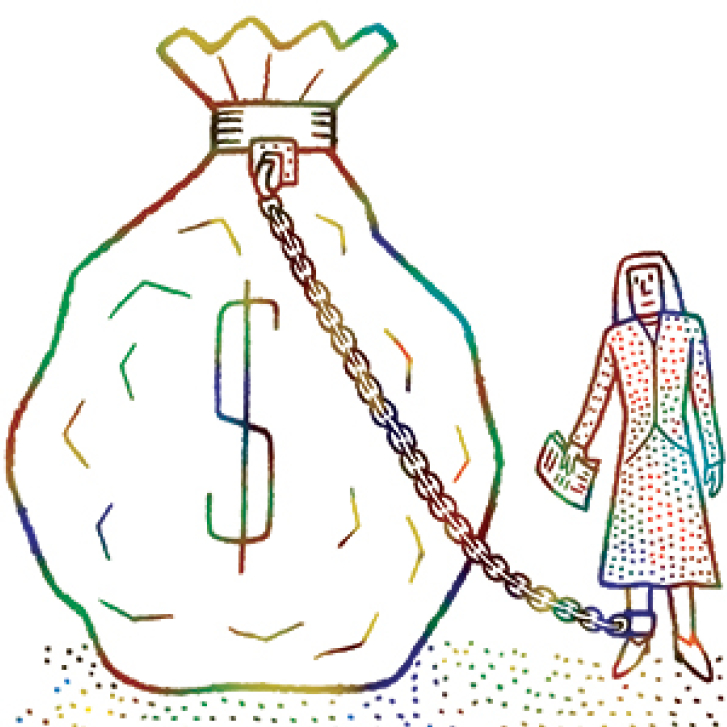
Foundation officers and endowment managers too often prefer exceedingly safe grants and investments because of misapplied principles, biases, and concerns about their reputations. A Viewpoint from the Winter 2020 issue.
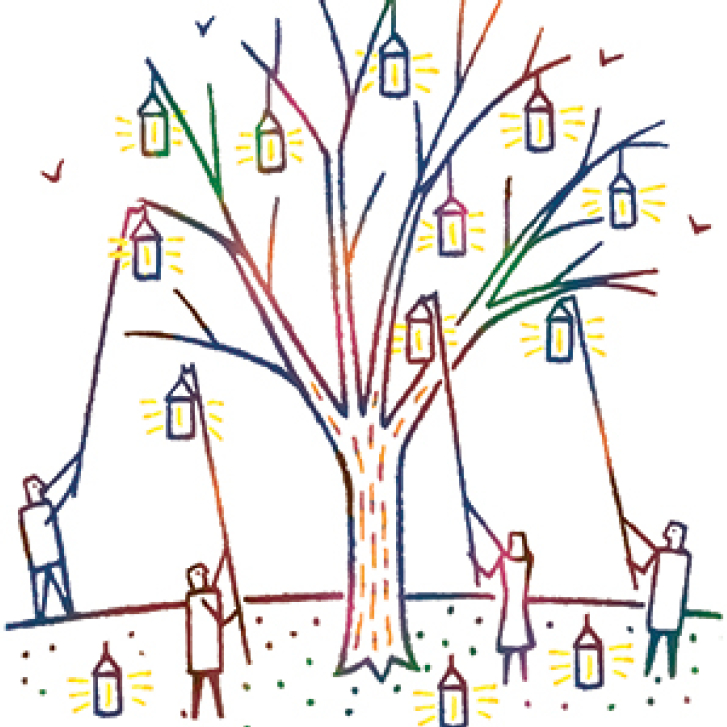
To grow the workforce that will advance the United Nations’ Sustainable Development Goals, foundations ought to bring back approaches they relied on decades ago. A Viewpoint from the Winter 2020 issue.

The philanthropic community’s preoccupation with impact and the short-term projects that deliver measurable outcomes can distract us from what really works.
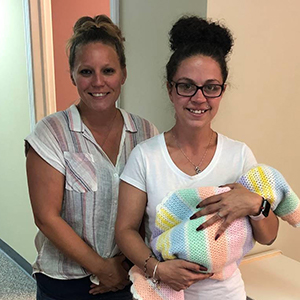
Despite growing pains, the pay for success funding model is finding renewed success in communities across the United States and is primed to evolve into an ever-more-powerful tool for social change.

By expanding support to arts and cultural organizations in diverse neighborhoods, funders can provide a missing ingredient in the effort to advance equity.

Two years after nearly a dozen India-focused organizations in the United States began discussing how they could combine forces, they have launched the India Philanthropy Alliance and revealed insights into making complex collaborations work.
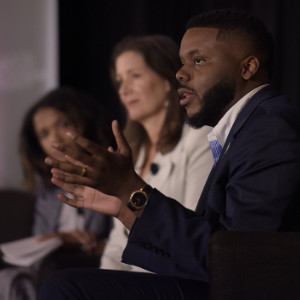
At SSIR’s 2019 Nonprofit Management Institute, presenters and participants addressed the economic and emotional anxieties facing civil society leaders and shared advice for moving forward with confidence.
Why and how donors should use donor-advised funds to invest in innovation toward achieving the UN Sustainable Development Goals.
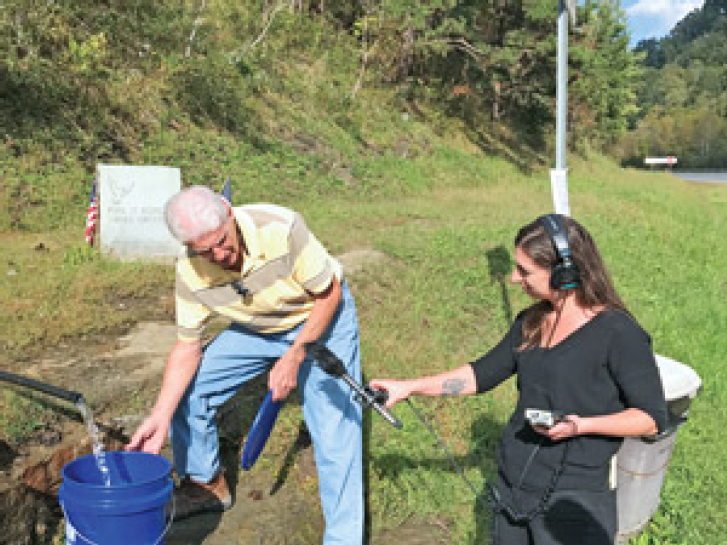
Journalism corps program Report for America pairs working journalists with resource-strapped local news organizations for a yearlong employment contract. A What's Next article from the Fall 2019 issue.