Philanthropy’s Most Important Metric Is the One It Never Measures
We judge philanthropic capital's impact by what it builds while it is building. We should judge by what stands, without it, after the grant has ended.
New and innovative ideas to help nonprofit leaders raise money, and to help funders and donors give more effectively (more)
We judge philanthropic capital's impact by what it builds while it is building. We should judge by what stands, without it, after the grant has ended.
What SSIR readers are saying about articles on artificial intelligence, charitable giving, and navigating organizational disagreement.
We all—editors, writers, and readers alike—are not just students or observers of the world around us but builders of its future.
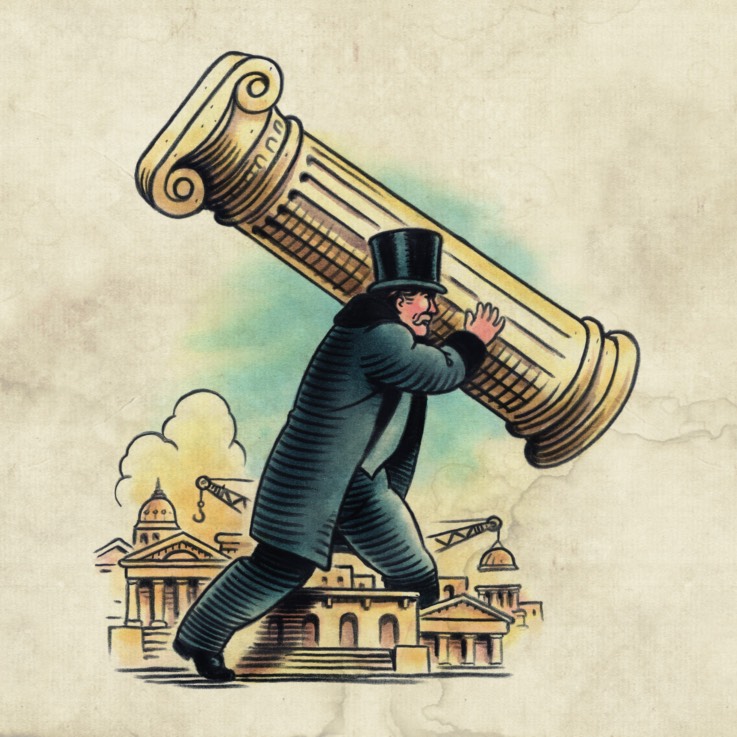
The United States is living through a second Gilded Age. But unlike yesterday's magnates, today's billionaires prefer to write checks to existing organizations. They should instead build institutions that last.
Impact strategies must reckon with the problem that capital is frequently trapped in highly illiquid investments with no prospect of exit.
An excerpt from A Better Way to Fundraise on making major giving the operating system for fundraising
Choice, agency, and how to design a learning system where private gain and public good reinforce each other.
The William and Flora Hewlett Foundation and the Stuart Foundation are pleased to co-sponsor this series of diverse essays on the purpose of public education. The authors write from different vantage points, but each takes seriously a core question: In a time of widespread change, what is public education for, and how can it evolve to meet its promise?
Many nonprofits face a mismatch of their budget and their balance sheet. Funders can help build stronger financial foundations.