
Demystifying the Theory of Change Process
Why the process of creating a theory of change matters, and a five-step guide to success.
New and innovative ideas to help nonprofit leaders raise money, and to help funders and donors give more effectively (more)
Why the process of creating a theory of change matters, and a five-step guide to success.
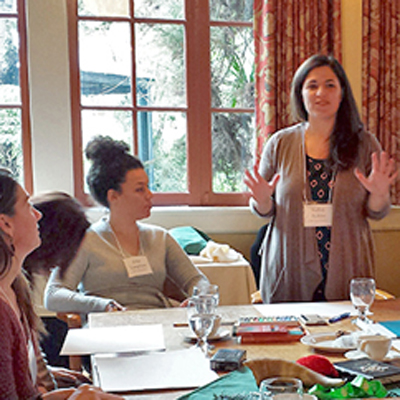
When nonprofits dole out grant money to peers, the result is a transformative experience that fosters innovation, collaboration, and learning.
Community foundations should reaffirm their unique role in the philanthropic landscape and focus on the needs of their geographic community.

The Silicon Valley Community Foundation has grown to become one of the world’s most well-funded foundations. But who in the Valley benefits from this largesse?

Charitable appeals that address a wealthy person’s agency are more effective.

The funding ecosystem has a greater role to play in the survival of nonprofits than their internal structure.
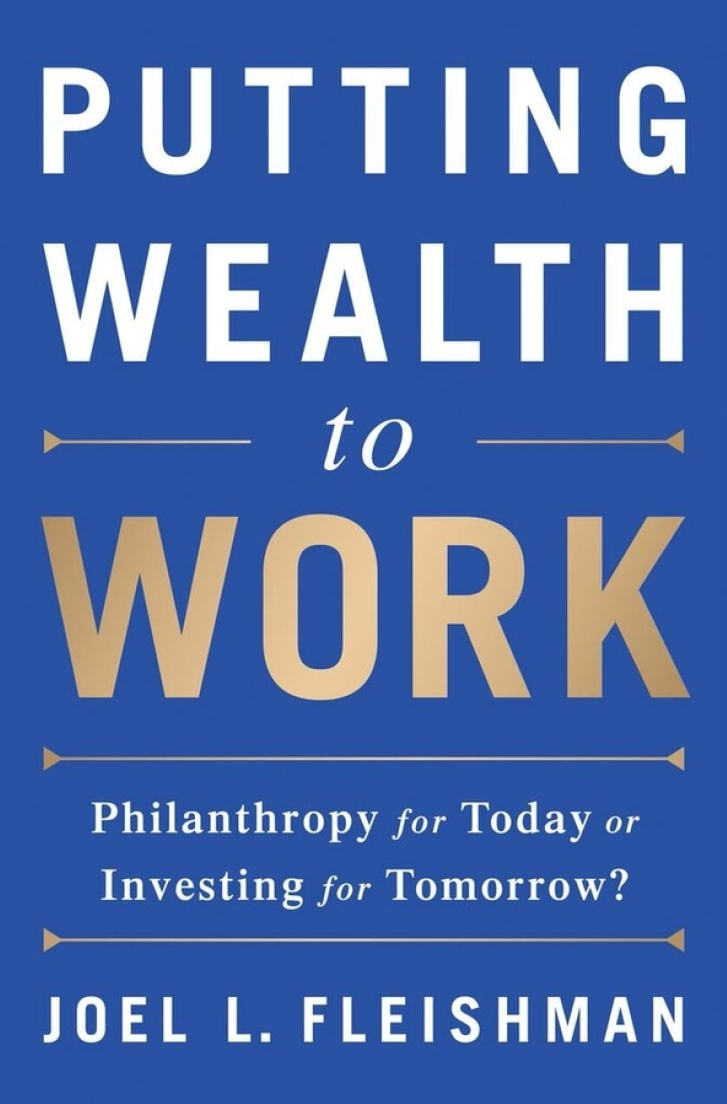
Limited-life foundations are currently all the rage, but Fleishman’s book reminds us that perpetual, endowed foundations are in many cases preferable.

Six ways funders can help support quality education for all students and improve communities in the process.

Four strategies in particular may help Africa’s wealthiest businesspeople effect social change and drive economic growth.

Climate-change entrepreneurs need funding, but they also need the expertise, networking, and intellectual capital that incubators and foundations can provide.