A Different Spin on a Market-Based Approach
Even foundations that don’t have an impact investment program can catalyze market-based social innovations by getting creative with how they structure their grants.
New and innovative ideas to help nonprofit leaders raise money, and to help funders and donors give more effectively (more)

Even foundations that don’t have an impact investment program can catalyze market-based social innovations by getting creative with how they structure their grants.
Five ways nonprofits can start unlocking trillions of dollars in potential donations from younger individual donors.

An often missing but critical part of achieving social change is supporting individuals who can make connections outside of a field of advocacy or practice.

Do international development projects designed and managed at the grassroots level perform better than those managed from the outside?
How collective impact efforts—done right—can break through a systemic barrier to nonprofit collaboration.
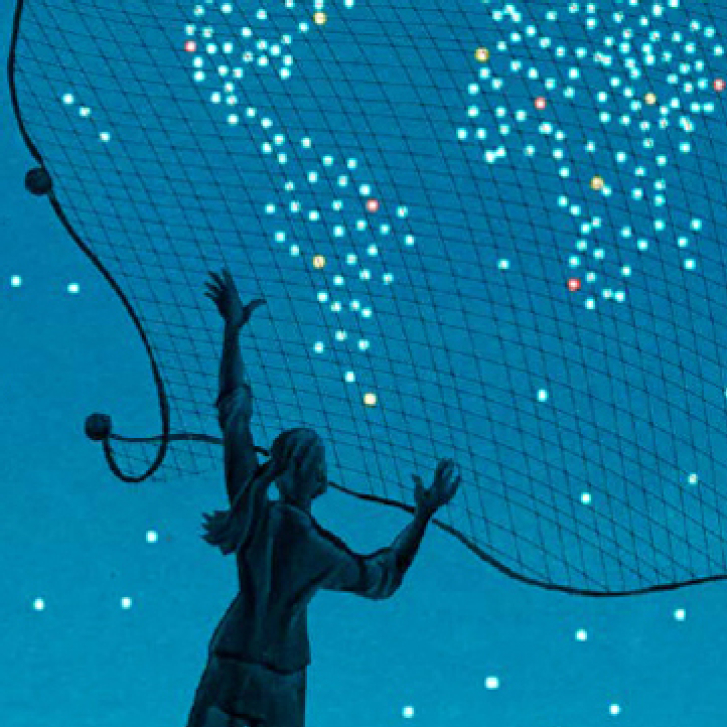
The gender-lens movement is beginning to fund culturally led efforts to transform underlying beliefs that systematically disempower females in the first place.
Much of the international development community remains stuck in its old ways, focused on short time horizons, rigid planning, and unproductive evaluation.
A new report shows that creating a fundraising plan is paramount for organizations looking to increase individual donor gifts.

A four-point framework for funders to advance a low-carbon future using their entire endowment.