
Lucrative but Deadly
As parents spend more time raising their profitable coffee crop, they spend less time attending to their children's needs.
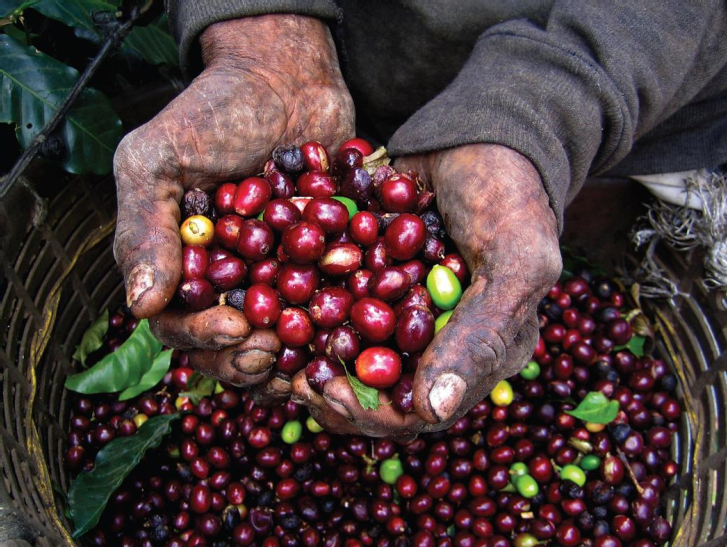
As parents spend more time raising their profitable coffee crop, they spend less time attending to their children's needs.
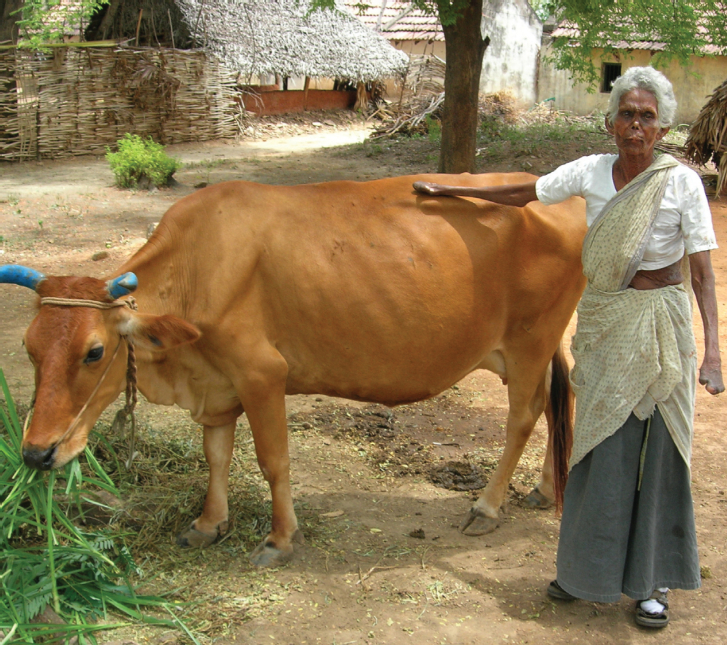
Microlending in leprosy colonies frees residents from poverty, shame, and isolation.
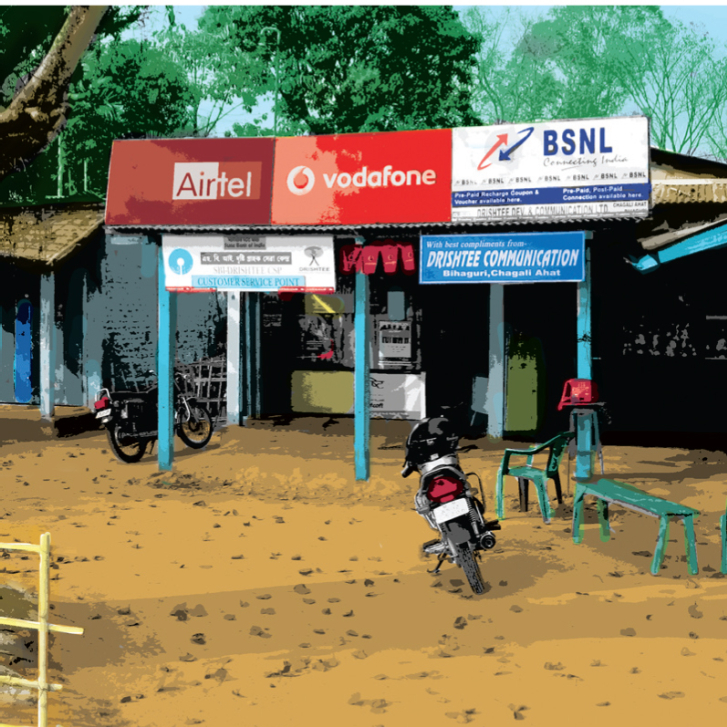
Microfranchising poses fewer risks and offers greater benefits than does creating a new business from scratch.
Global warming may end up helping some poor farmers who will be able to sell their crops for higher prices.
Hope Runs is a nonprofit social enterprise working in Kenya and Tanzania that uses athletics, education, and social entrepreneurship to empower AIDS orphans. In this audio interview, founders Claire Williams and Lara Vogel talk about how they have turned their idea of using marathon running to "outpace poverty" into a vital organization that partners with AIDS orphanages to have a real influence in children's lives. They discuss their model, how they use volunteers, and advice for social entrepreneurs.
The financial crisis started on Wall Street but continues to have a profound impact around the world. Among those affected are the poorest of the poor. In this audio interview, Stanford MBA student Joy Sun talks with Jeffrey Sachs, director of the Earth Institute and a professor at Columbia University, about how the financial crisis is shaping international relations and countries' paths toward economic development.
How have some developing countries managed to overcome poverty? What kinds of economic and political decisions have led to their success? In this audio lecture Michael Spence, Nobel Memorial Prize Winner in Economic Sciences, discusses what the Commission on Growth and Development has learned about the characteristics of nations that have been able to advance economically despite the recent global financial crisis.
Savings could be the doorway to a more inclusive financial system for young people.

By choosing smart economic models and stabilizing political institutions, political leaders pave the way for fast and sustained development.

A report on a talk by Jeffrey Sachs, director of The Earth Institute, professor of Sustainable Development, and professor of Health Policy and Management at Columbia University.