Countering Coronavirus With Open Social Innovation
Germany’s first government-hosted crisis hackathon offers seven lessons on how to make the most of a messy-but-promising way to kick-start social innovation.
Nonprofit leaders discuss how their organizations have used technology to better connect with and meet the expectations of their constituents. Part of the Technology for Change series produced by Stanford Social Innovation Review with the support of Salesforce.
Embedding changemaking into the culture and operations of higher education will prepare institutions to deploy their tremendous human capital and knowledge and research assets in innovative, trans-disciplinary, and collaborative ways to address the many challenges ahead.
Part of Innovating Higher Education for the Greater Good, a new series from SSIR and Ashoka U.
For nonprofits to succeed in a transformed world, they need to use technology and data to create and sustain relationships with the people who believe in them. Part of a series produced with the support of Salesforce.
Innovation is hard in the for-profit context; it’s even harder for a nonprofit.
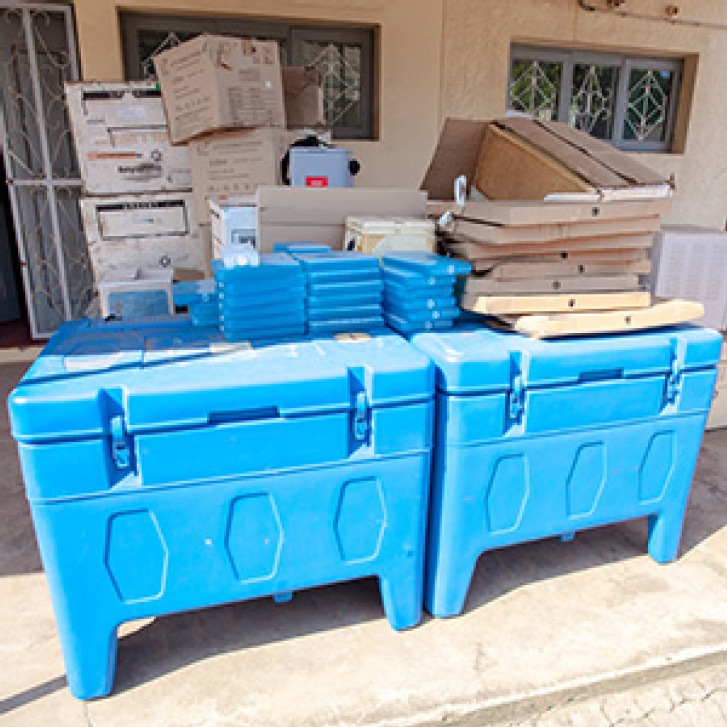
Cooperation between the public and private sectors in Taiwan and South Korea are enabling a prompt response to the challenge of distributing important health products during the COVID-19 crisis.
An outpouring of aid from nonprofits, foundations, and businesses in the nation first to face the epidemic provide some lessons and caveats for other regions now dealing with similar challenges.
Nonprofit leaders discuss the strategies and systems they’ve used to foster deeper and more meaningful connections with their constituents. Part of the Technology for Change series produced by Stanford Social Innovation Review with the support of Salesforce.
How foundations, journalists, and community organizers in New Jersey passed the nation’s first civic information bill.
Faced with unprecedented conditions caused by the coronavirus pandemic, organizations are rapidly adapting to serve the greatest number of people in need, now. The speed of change has been remarkable.