Road Map to a New World
In New Power, Jeremy Heimans and Henry Timms argue that power and influence are being driven by a new participatory and peer-driven paradigm.

In New Power, Jeremy Heimans and Henry Timms argue that power and influence are being driven by a new participatory and peer-driven paradigm.
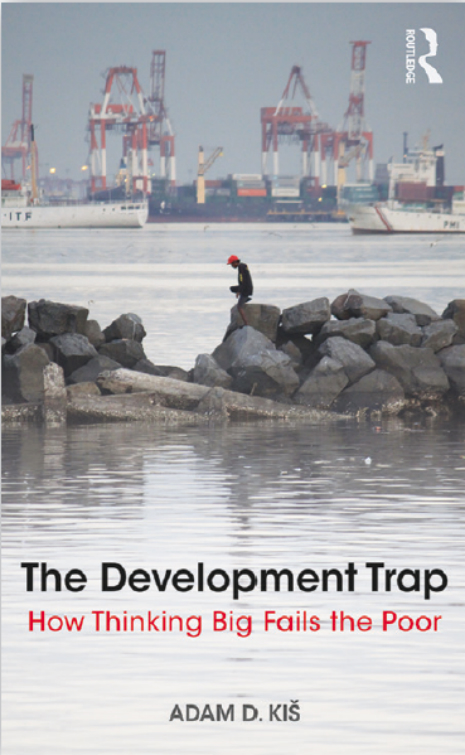
Practitioners and funders in global development need less idealism and more pragmatism, Adam D. Kiš argues in The Development Trap.
For companies to effectively take a stand on hot-button issues, they must look deep within their organizations to understand how these issues align with their reason for being.

When companies take the lead in driving social and environmental change, they position themselves to build deeper bonds, expand their consumer base, and enlist others to amplify their brand message.
A starting point for social sector leaders to develop their organizations’ innovation capacity.

Even companies making steady progress toward sustainability cannot go much further without collaborating across the value chain.

In an environment of declining aid budgets dwarfed by pools of private capital, some decades-old donor organizations are turning to market-based tools to address global health challenges.
Social sector organizations must consider whether their internal operating system is serving them, their clients, and their pursuit of social impact.
Far from being a win-win financial instrument, SIBs come with significant technical burdens and exemplify an ideological shift in welfare service provision.