Does Philanthropy Threaten Democracy?
We should be more concerned about foundations’ outsized role in education policy.
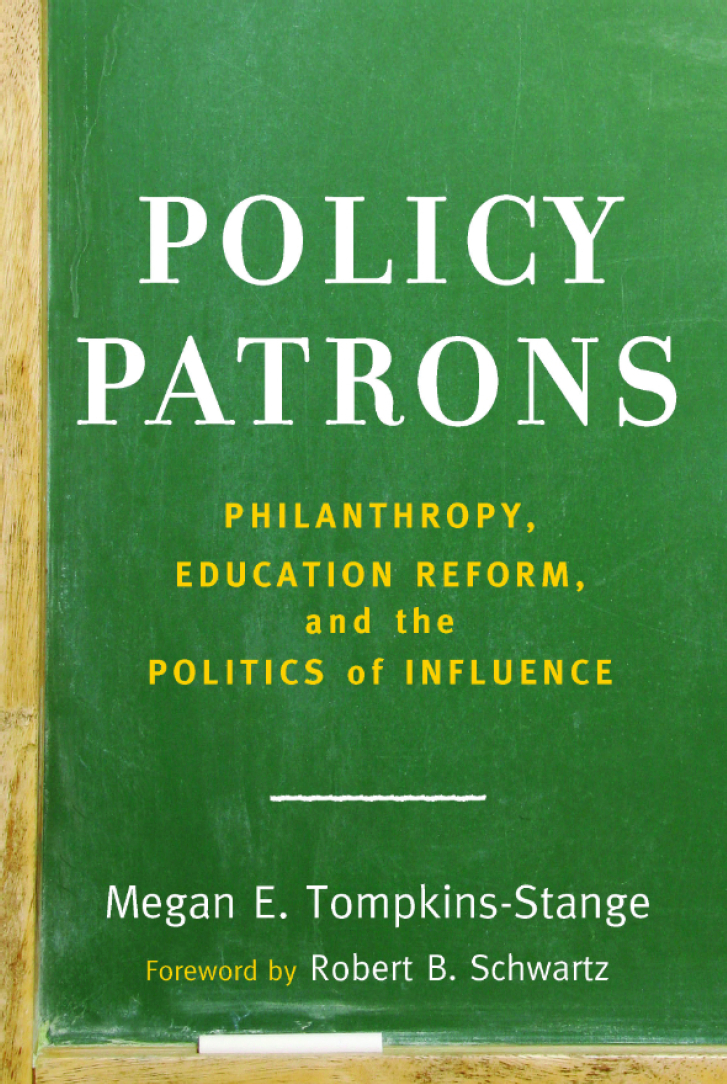
We should be more concerned about foundations’ outsized role in education policy.
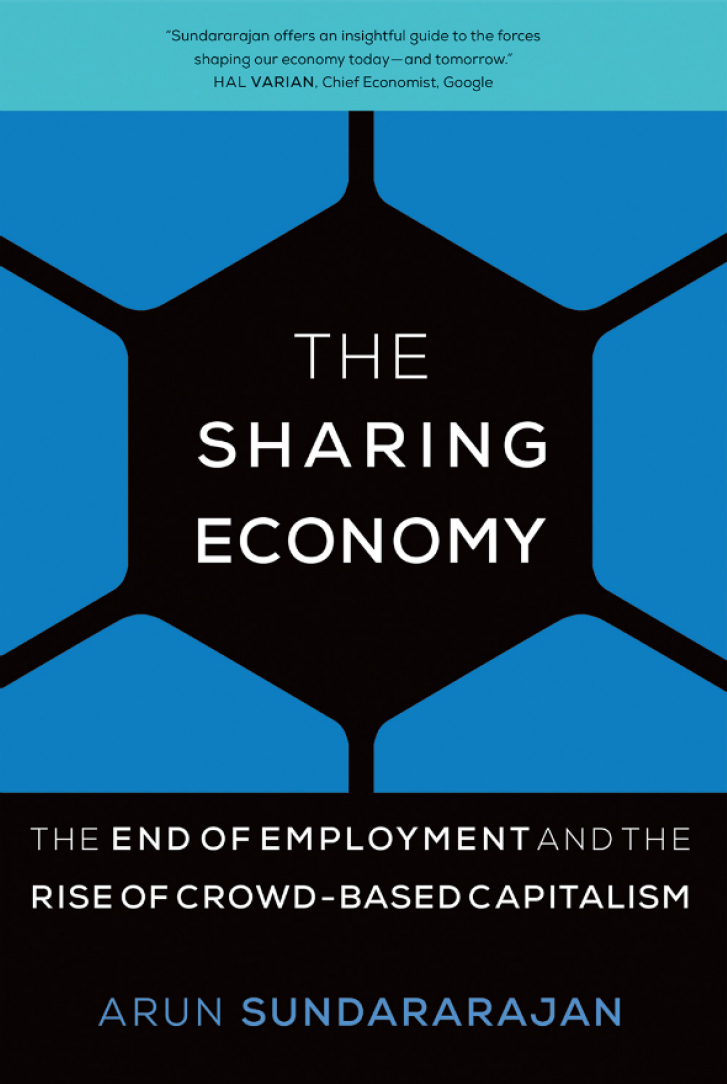
The sharing economy can help us coordinate economy activity, but that’s not the same thing as building interpersonal trust and understanding.
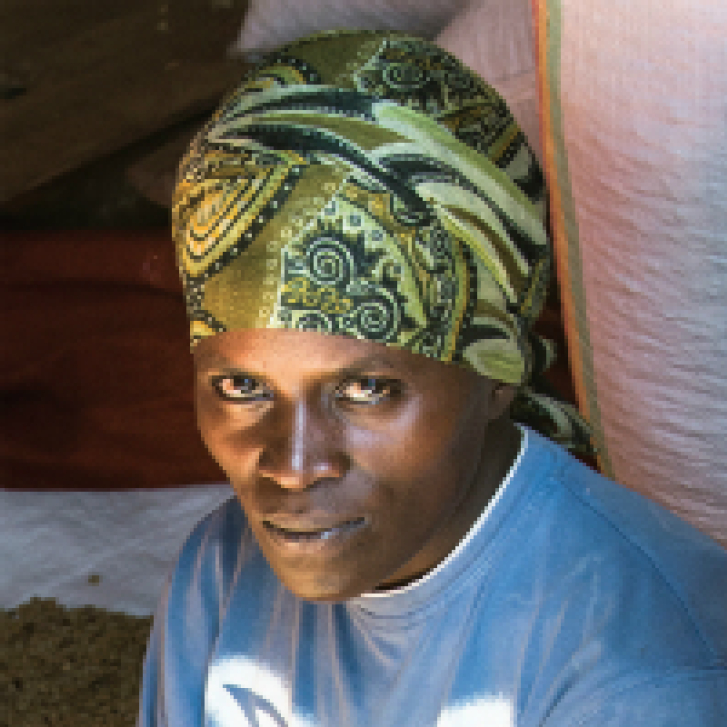
Many of the more than 355,000 smallholder coffee farmers in Rwanda are members of producer co-ops.
The number of companies offering employee engagement and happiness surveys, feedback tools, pulse checks, and culture assessments is exploding. How are social sector organizations using them?

How can the public sector create a culture that's friendly to human-centered design?
Foundations’ internal practices and culture ripple out to grantees in meaningful ways, and it directly accelerates or impedes grantees’ effectiveness.
How funders can listen better, step back, and walk alongside grassroots leadership.
By actively moving into the roles of advocate and partner for grantees, grantmakers can cultivate trusting, transparent relationships that ultimately translate into social impact.

In times of profound turmoil, how can organizations become more resilient and adaptive? A talk from our 2015 Nonprofit Management Institute.

Promising practices for corporates, investors, and entrepreneurs to drive long-term innovation and avoid an investment bust.