


Funding the Fourth Estate
Philanthropists have been accused of donating disproportionately to major media outlets. An alliance of small news nonprofits seeks to make funding more equitable to save the news industry.

Philanthropists have been accused of donating disproportionately to major media outlets. An alliance of small news nonprofits seeks to make funding more equitable to save the news industry.

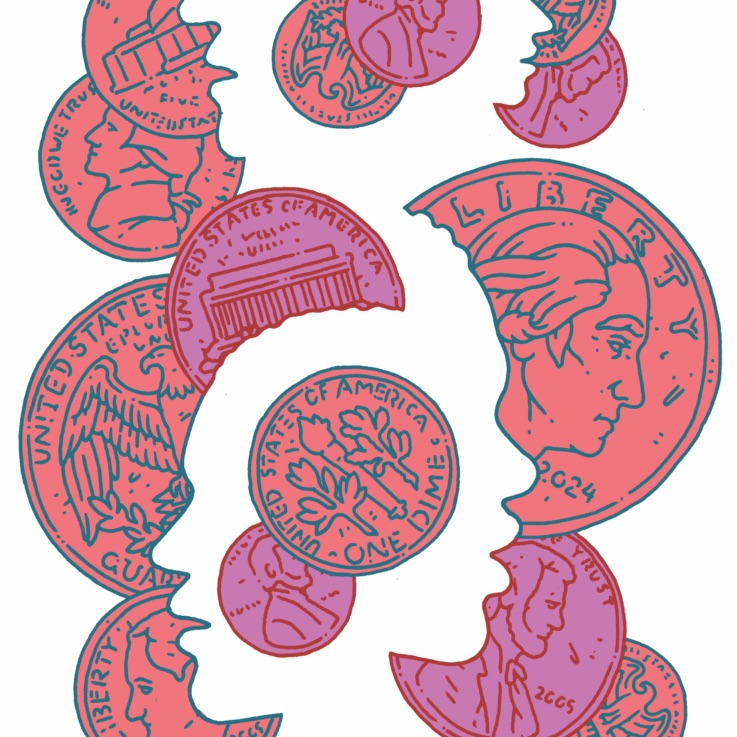
The overdose crisis exposes how funders allow themselves to be diverted from impact.
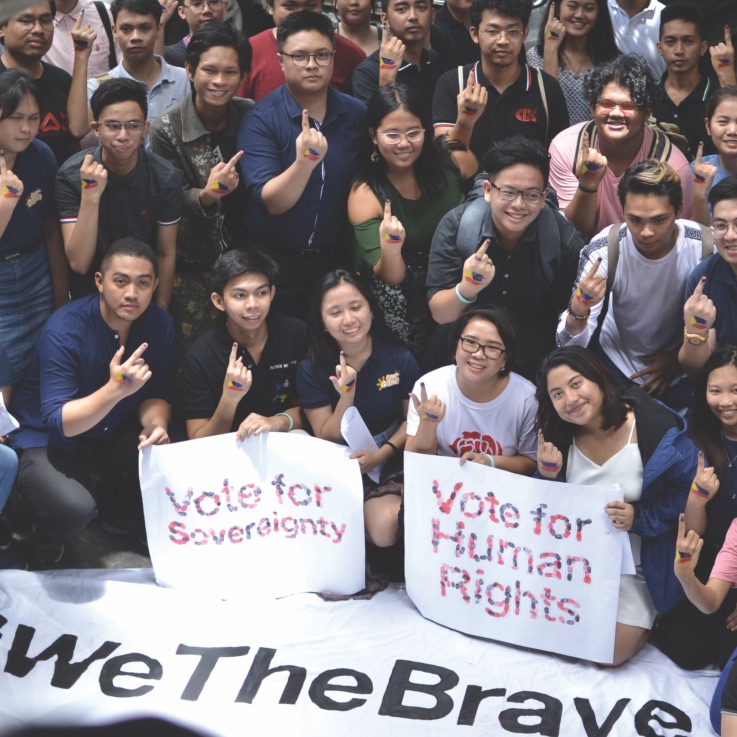
The artist-activist collective DAKILA is organizing young people to push for their own political agenda.

Although often triggered by organizational stress, asset transfers should be seen not as a sign of organizational failure but as a valuable way to help both sides of the transfer achieve their goals. | Open access to this article made possible by The Sustained Collaboration Network

Push for short-term gains generates greater complaints about ESG issues among stakeholders.
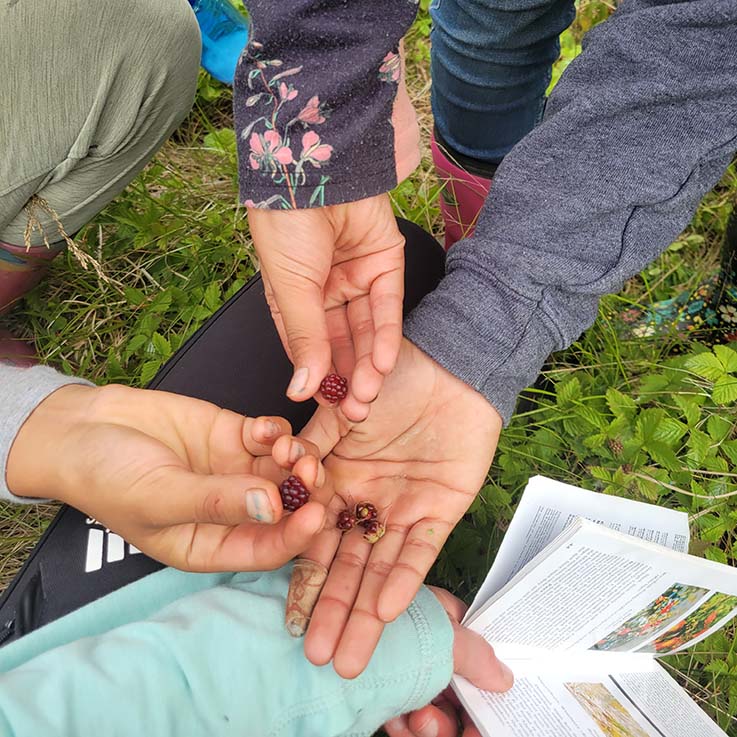
A model for lasting change through authentic, transformational partnership.
How does a poverty-fighting organization like Henry Street Settlement in New York City use arts education to strengthen the community and “serve the whole person” as its president and CEO puts it? How can donors best support these programs? David Garza of Henry Street Settlement, Kevin Greaney of PhilARThropy, and Eric Joranson of DAFGiving360 join SSIR editor Barbara Wheeler-Bride to discuss the importance of arts education and how donors can sustain these programs over time. A sponsored podcast developed with the support of DAFgiving360
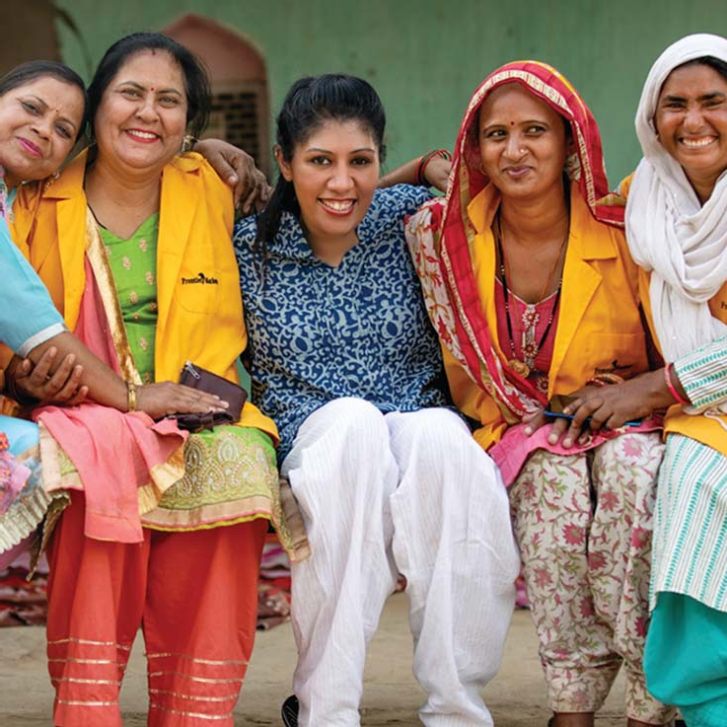
Embedding social innovation across sectors is how we drive more durable systemic change. Even in the most challenging times, here are three ways to do that.
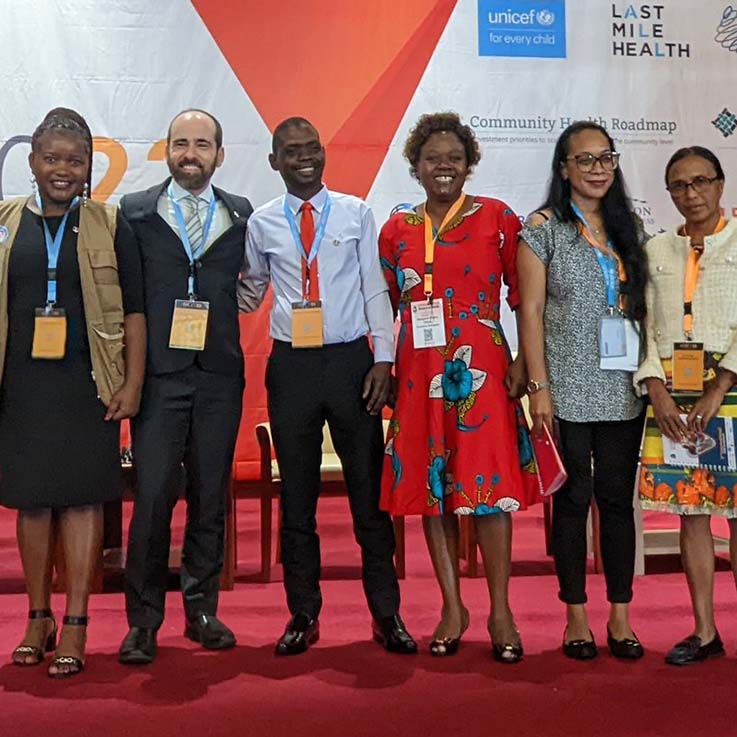
Health coalitions did the research, coordinated with donors, and secured strong government buy-in. Now, community health workers are finally getting the credit—and pay—they deserve.