


Looking Back to Move Forward
An excerpt from How Social Science Got Better on how the social sciences are becoming more relevant, diverse, and reflective.
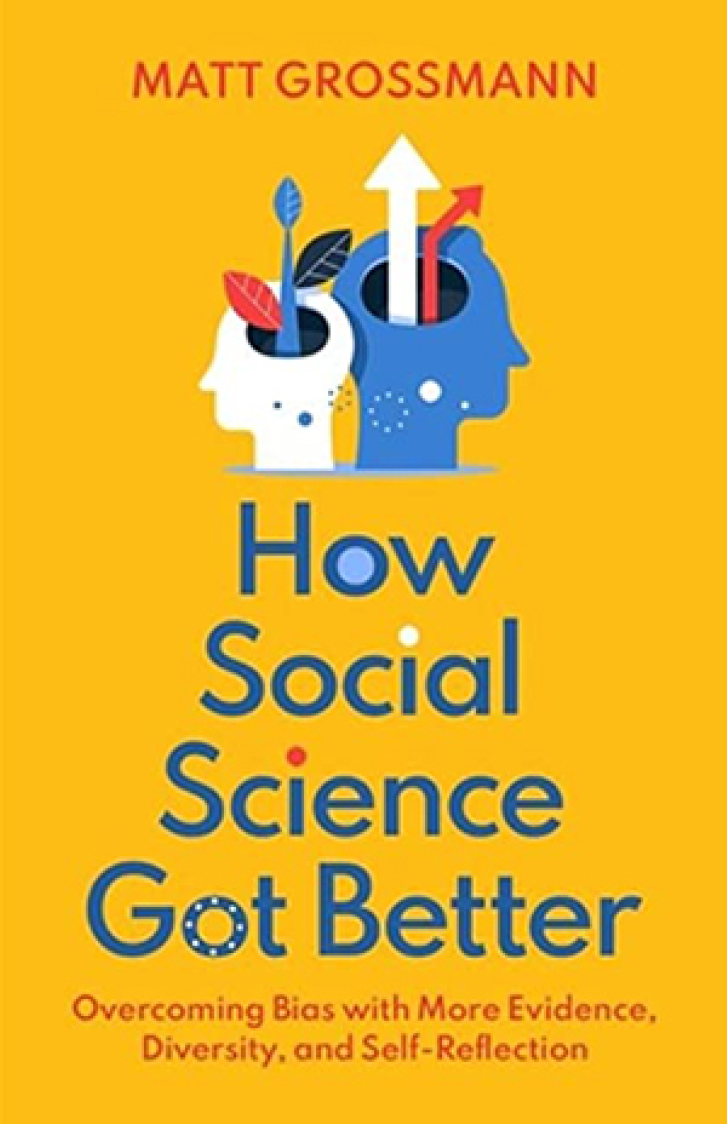
An excerpt from How Social Science Got Better on how the social sciences are becoming more relevant, diverse, and reflective.
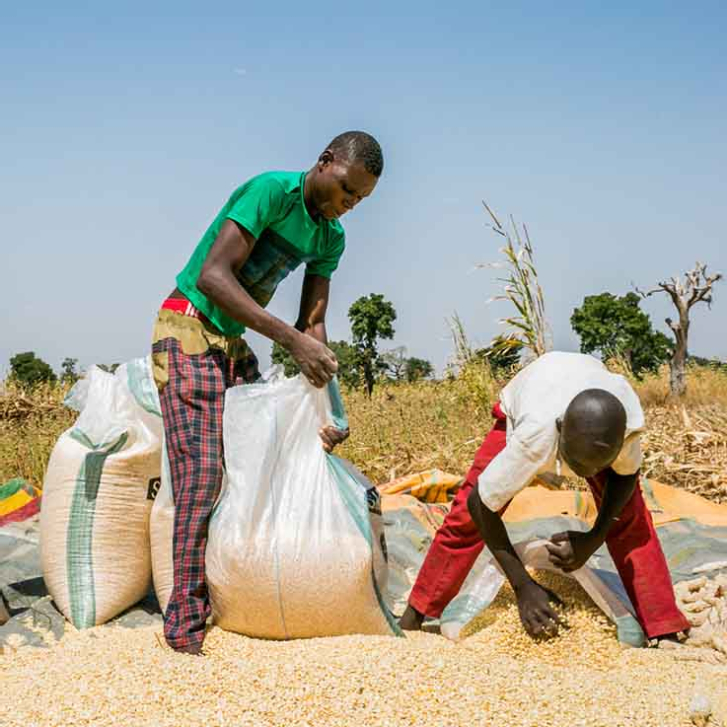
Babban Gona provides the capital and means to move Nigeria’s poor farmers from a life of subsistence to economic security—and a model for alleviating poverty across Africa.
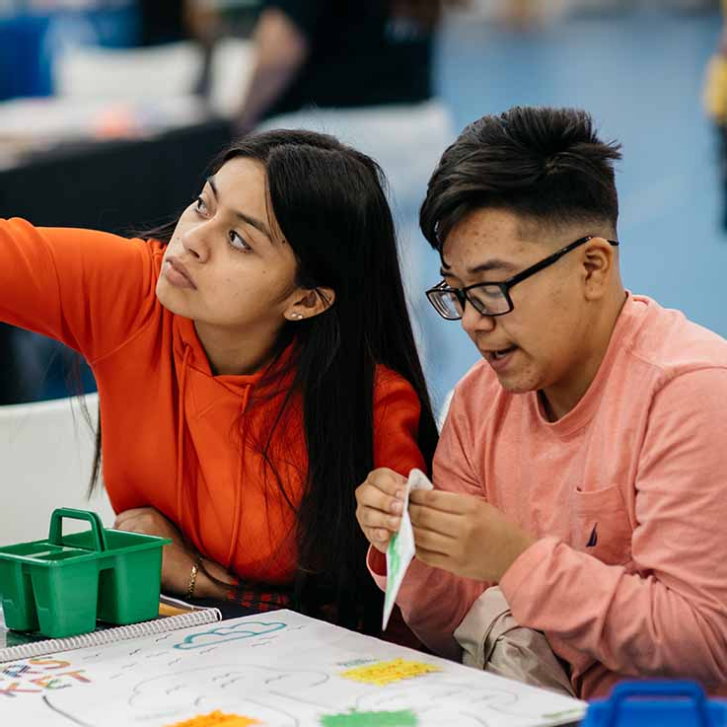
Championing initiatives is not enough. Philanthropy must fund their implementation and build power in communities to keep the ball moving.
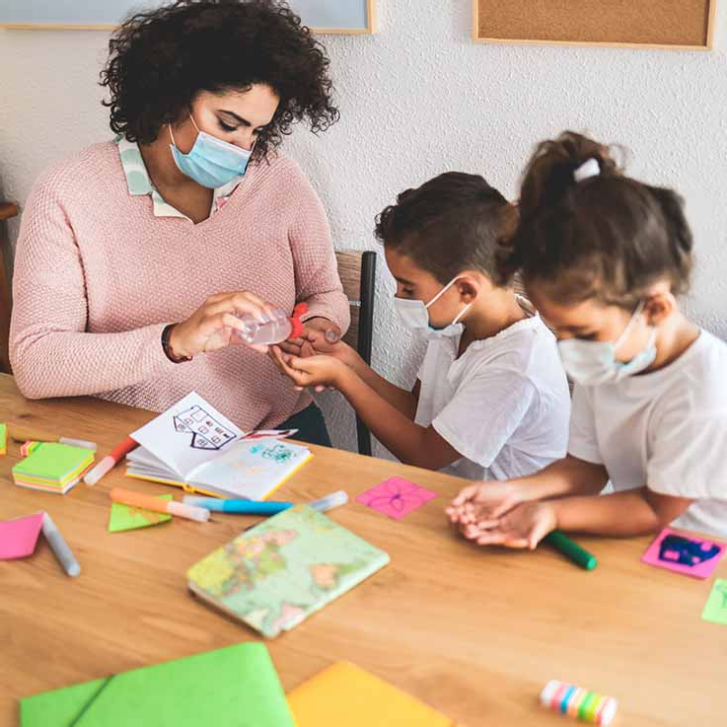
Helping child care entrepreneurs build businesses to meet market demand is a powerful strategy for revitalizing communities.
Participants at this year’s NMI heard from nonprofit and business executives, noted academics, and prominent public-sector leaders about building a healthier future by creating personal, organizational, and societal well-being.

Telling diverse and inclusive stories for social change that center marginalized communities and build understanding requires that we show the complex ways communities experience systems of inequality.
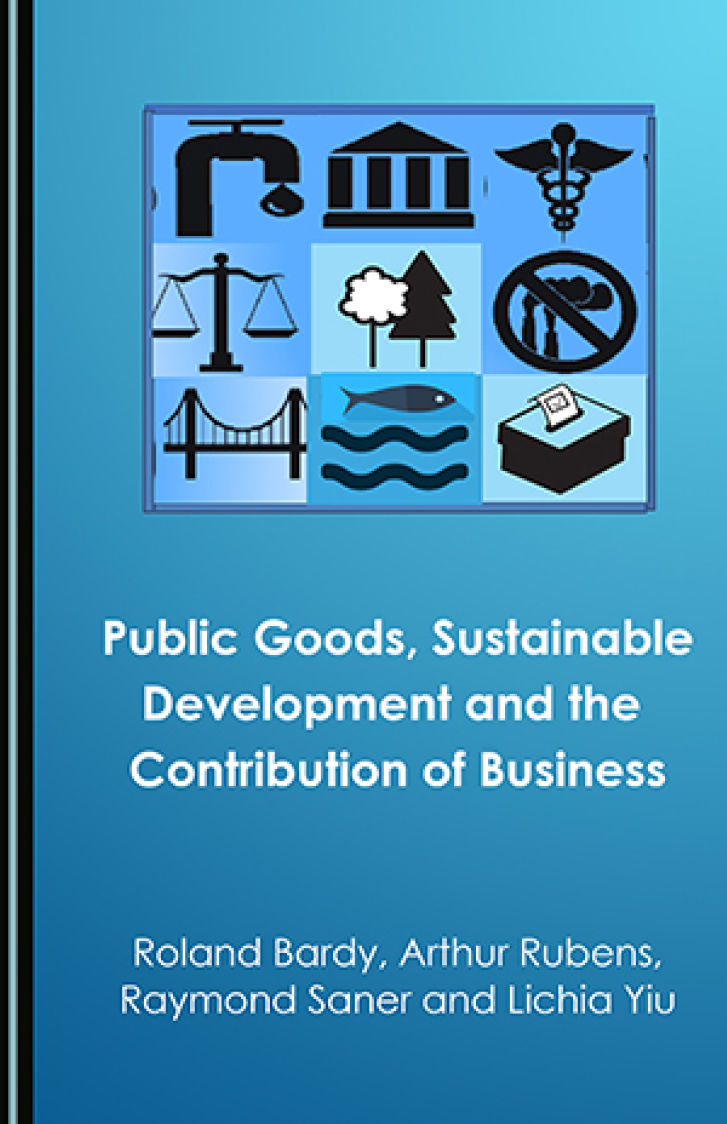
An excerpt from Public Goods, Sustainable Development and the Contribution of Business reconsiders the public goods concept and puts forth models for business and the public sectors to respond to the global challenges that our post-COVID-19 world is facing.

Optimizing the path from funder to fundee isn’t something philanthropy has thought about systematically, but the sector should take this moment to build some muscle into it, with an eye toward racial and economic justice.

With careful planning and resource allocation, and a clear understanding of what it means to combine different organizational cultures and visions, mergers and acquisitions can be more than an escape plan, and instead help nonprofits preserve their mission and expand their impact.
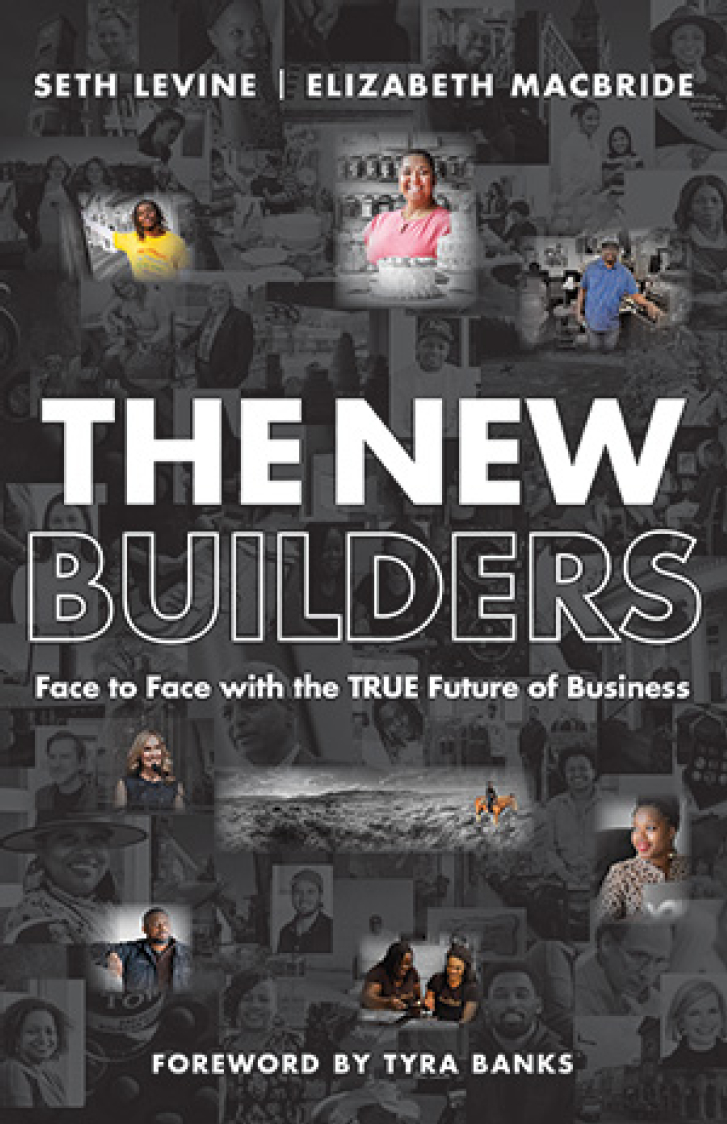
An excerpt from The New Builders on balancing scale with innovation and the vital role played by small businesses.