


How the Divestment Movement Wins
Activists use moral analogies with rogue industries and states to stigmatize fossil fuels.

Activists use moral analogies with rogue industries and states to stigmatize fossil fuels.

Links to all of SSIR's online-only articles published the past three months, with editors' notes about standout pieces on racism, the social economy, grassroots movements, global development, and the climate crisis.
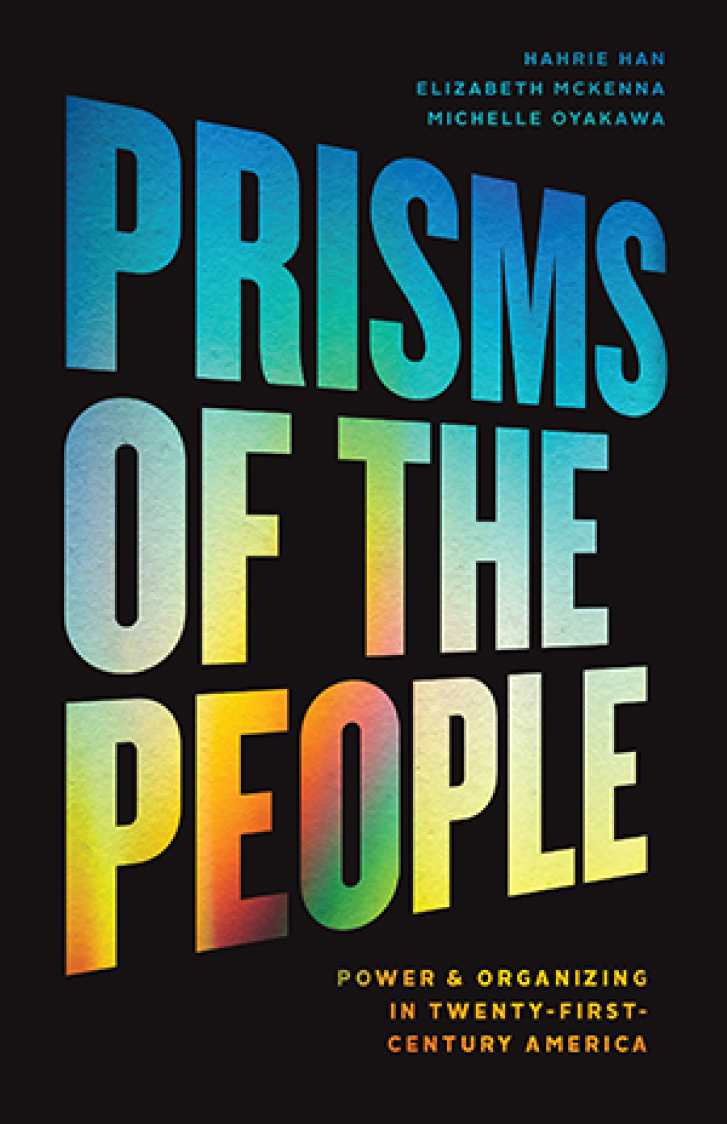
An excerpt from Prisms of the People on how collective action generates real, durable power.

Cash transfer programs often struggle to reach those most in need. An investigation of four programs across Brazil, Ethiopia, Jordan, and Palestine revealed five features that lead to success.

Building better relationships between funders and nonprofits, and investing in capacity, will mean more resilient organizations and more impact.

As state and local governments in the United States start spending the largest infusion of direct federal funding in history, they should make sure they aren’t investing in systems that increase inequity.

Jibu franchises make clean drinking water affordable for Africa’s booming urban populations and provide economic opportunity to a new generation of entrepreneurs.

Like FDR’s “Arsenal of Democracy,” Africa should build from the bottom: Internal instead of external, bottom-up instead of top-down, and focusing on repeatability instead of scalability.

Participants are not simply the intended beneficiaries of nonprofit programs. Their organizational experience, in addition to their program experience, should guide nonprofit management to achieve more meaningful social impact.

With environmental devastation and social injustices pushing the planet to the breaking point, a stronger environmental, social, and governance (ESG) ratings system is needed to ensure investors get the positive impact they're paying for.