


Leading in a Time of Crisis
Advice for nonprofit managers on playing the long game when the world turns upside down.

Advice for nonprofit managers on playing the long game when the world turns upside down.

The growth of double bottom line and impact investing can give nonprofits new ways to raise funds and opportunities to grow their influence.

Most programs that try to help formerly imprisoned people re-enter society and avoid reincarceration have been far from successful. Cognitive behavioral therapy (CBT) may help turn the tide.
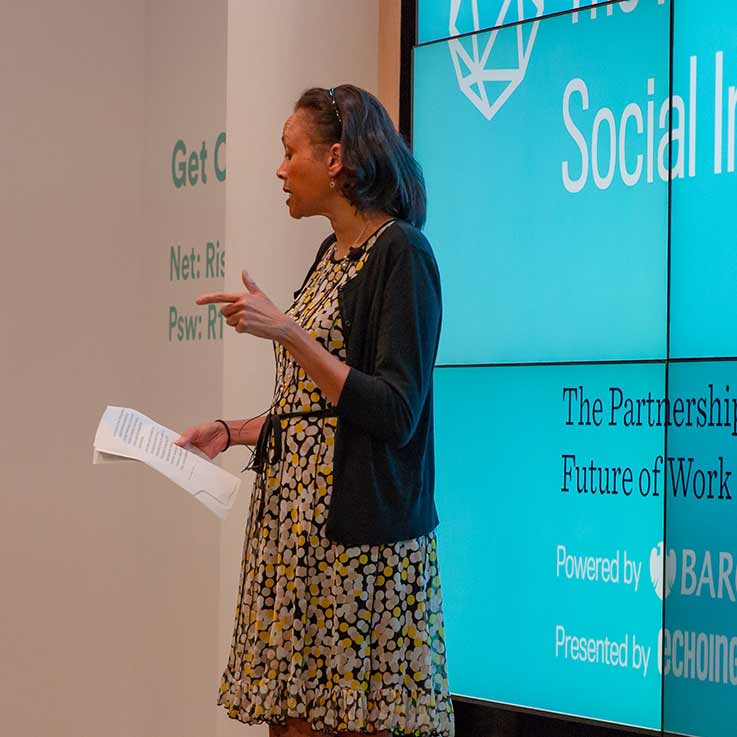
We must do more to remove the structural barriers that prevent entrepreneurs of color in the United States from launching and sustaining a venture, or a more just nation may remain out of reach.

Namati provides legal knowledge to communities around the world to help them defend their land, environmental, and other civil rights against abuse by commercial and political aggressors.

Understanding how network members interact with each other is crucial to advancing their common aims.

An excerpt from Convergence argues that today’s leaders must recognize the many signals of accelerating disruption and the increasing convergence where people, technology, and business intersect.

By creating a network of grassroots movements and calling out connections across issues, the social sector can drive demand for solutions and spur policy makers to act.

Research on 23,000 ventures reveals factors that donors, managers, and entrepreneurs should consider as they choose to support, run, or use accelerators, the increasingly popular training programs that help businesses succeed.

A greater focus on co-created, measurable outcomes can help build trust between public, private, and social sector partners, and thus improve the effectiveness of outcomes-based contracting and the social programs they create.