Forest Restoration for Fuel
Supported by the nonprofit US Endowment for Forestry & Communities, Restoration Fuels will turn wood scraps into a substitute for coal, potentially providing energy, jobs, and even environmental benefits.
Innovative ways that organizations are using and adapting business strategies to advance social and environmental well-being (more)
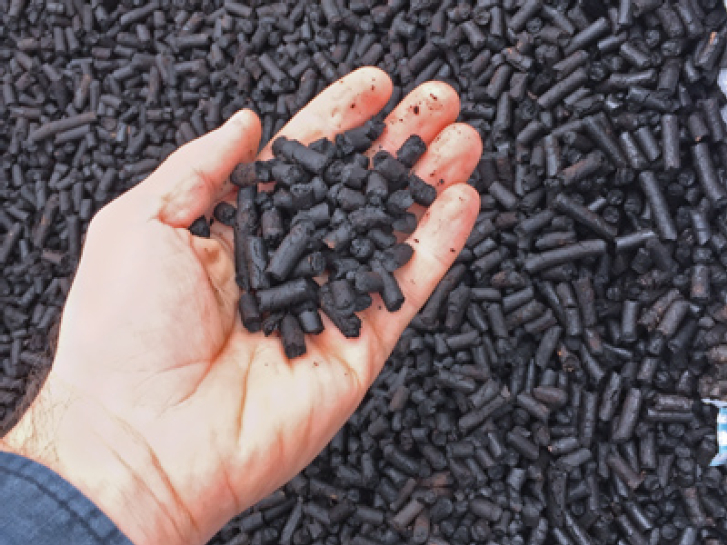
Supported by the nonprofit US Endowment for Forestry & Communities, Restoration Fuels will turn wood scraps into a substitute for coal, potentially providing energy, jobs, and even environmental benefits.

Cross-sector ecosystems in Japan use impact investing to solve the country’s greatest social challenges while generating financial returns. This article was translated by Ken Ito and Oliver Carrington.

The European Commission’s new plan for sustainable finance makes important strides toward connecting the financial industry with social and environmental goals, but social innovators should weigh in.

Without bringing more rigor and resources to scaling impact efforts, the do-good industry will never make the exponential leaps needed to bring social innovations to millions of people.

By making data easily verifiable, resistant to alteration, and instantly available to anyone within a network, the incorruptible digital ledgers known as blockchains can help ensure that commercial goods are ethically produced from mine to store.

An SSIR survey of nearly 2,000 leaders of nonprofits, foundations, and other charitable organizations revealed that they believe feedback is important but still struggle with figuring out how to do it.

Entrepreneur support programs are popular among donors, but many fail to incorporate rigorous research on the most effective ways to help businesses grow. Insights from current academic literature can help improve program design.
Growing confusion about impact investing's key principles and practices has it headed for a fall.
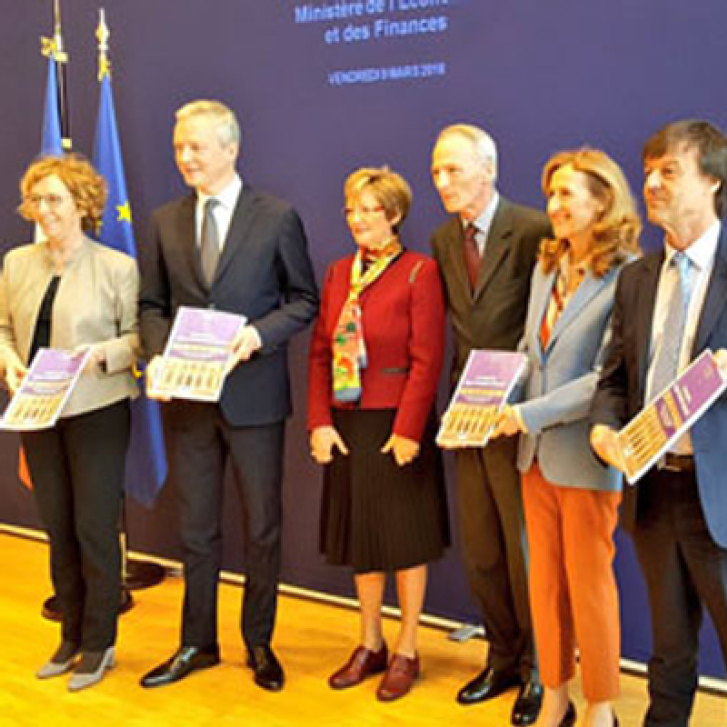
A new French law is about to revamp the country’s civil code and its 200-year-old definition of the corporate purpose.
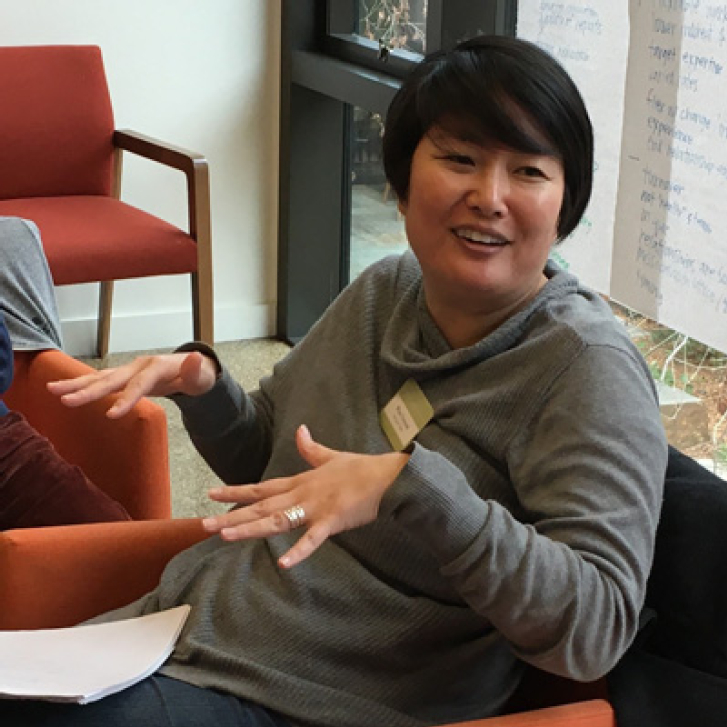
“Resilience” is a favorite buzzword these days, but what does it really mean, and how can grantmakers and nonprofits take practical steps toward achieving it?