The Next Big Thing for Pay-as-You-Go
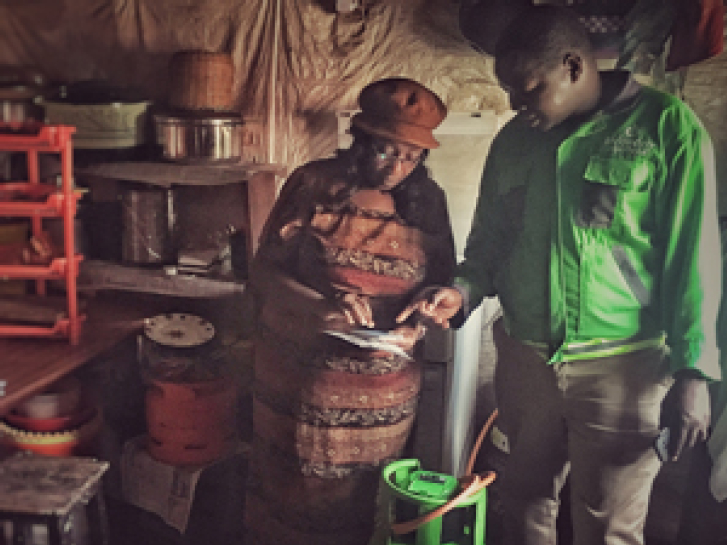
Strategies for cross-sectoral partnership in reaching consumers in emerging markets through pay-as-you-go business models.
Innovative ways that organizations are using and adapting business strategies to advance social and environmental well-being (more)
Strategies for cross-sectoral partnership in reaching consumers in emerging markets through pay-as-you-go business models.
Why social entrepreneurship and innovation education needs to incorporate systems change concepts, and where educators and institutions can begin.
Alternative economic and social investment models that are properly supported by new public policy and investment could help the United States create more equitable access to jobs and wealth.
By taking some simple steps to support women entrepreneurs, accelerator programs like those at the University of California, MIT, and University of San Diego can help reduce notable gender disparities in America's startup landscape.
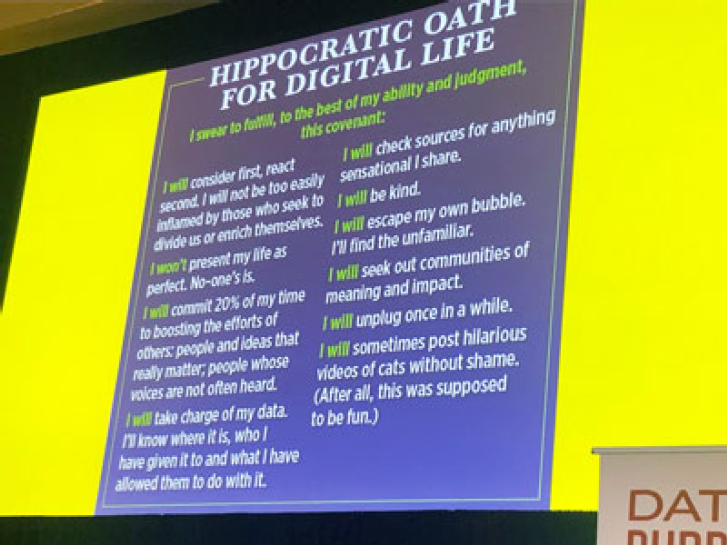
From emphasizing the importance of a data culture to exhorting people to "move thoughtfully and improve things," nonprofit leaders, funders, scholars, and technologists at SSIR's 2019 Data on Purpose Conference provided deep insights into surviving and thriving in an increasingly digital world.
Alia, the new online benefits tool from National Domestic Workers Alliance, helps house cleaners accrue contributions from their clients to purchase insurance and receive paid time off.
Supported by the nonprofit US Endowment for Forestry & Communities, Restoration Fuels will turn wood scraps into a substitute for coal, potentially providing energy, jobs, and even environmental benefits.
Cross-sector ecosystems in Japan use impact investing to solve the country’s greatest social challenges while generating financial returns. This article was translated by Ken Ito and Oliver Carrington.
The European Commission’s new plan for sustainable finance makes important strides toward connecting the financial industry with social and environmental goals, but social innovators should weigh in.
Without bringing more rigor and resources to scaling impact efforts, the do-good industry will never make the exponential leaps needed to bring social innovations to millions of people.