From Emancipation to Social Change
How do Latin American women not only defy gender norms to become entrepreneurs, but turn their own emancipation into societal change-making?
Innovative ways that organizations are using and adapting business strategies to advance social and environmental well-being (more)
How do Latin American women not only defy gender norms to become entrepreneurs, but turn their own emancipation into societal change-making?
Conventional routes to scaling impact don’t always work. Conservation nonprofits and social ventures should be wary of the lure of a large partner and consider replicating from the grassroots instead.
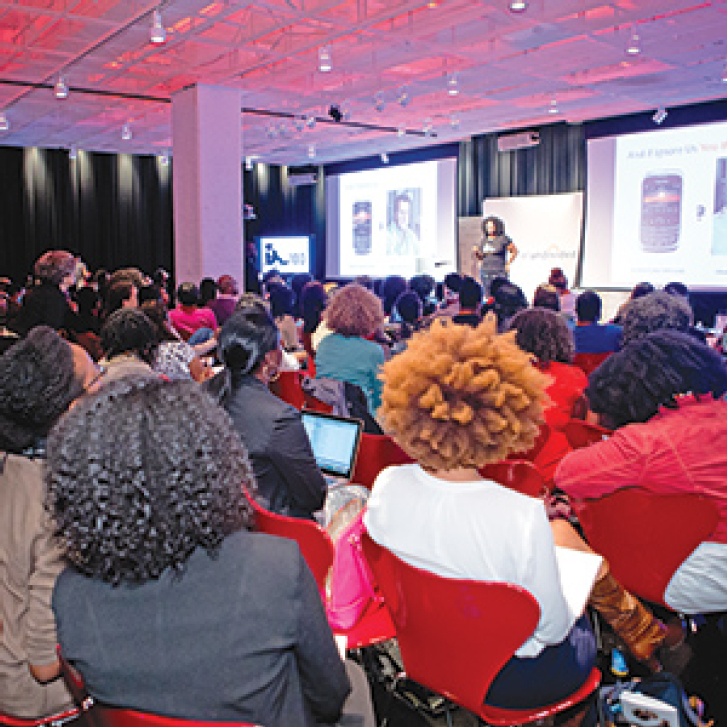
The social enterprise digitalundivided is disrupting the startup world for black and Latinx women entrepreneurs. A Field Report from the Spring 2020 issue.
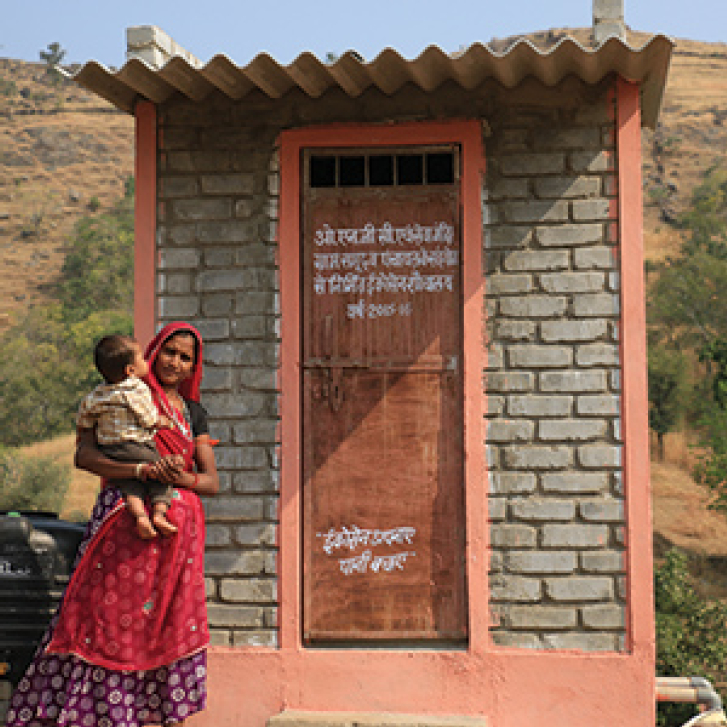
The biggest obstacle to eradicating India’s sanitation problem is a social tradition based in its caste system. A Field Report from the Spring 2020 issue.
Repurposing unused gift cards for charity could harness untapped billions of dollars for social good and turn consumers into micro-philanthropists. A Viewpoint from the Spring 2020 issue.
In response to the coronavirus epidemic, SSIR has temporarily halted seeking submissions for a series on extreme polarization and how it affects civil society's efforts to solve social problems, and how to build collaborations, communicate with the public, and manage conflict in a divided world.
If an organization doesn't know how to learn or scale, innovation isn't the answer to its struggles.
Give big, give now, give smart, and give to address inequity: a conversation on making the most of your generosity with Jeff Raikes, cofounder of the Raikes Foundation; Fred Kaynor, vice president of business development and marketing at Schwab Charitable; and Michael Voss, publisher of SSIR. A sponsored podcast developed with the support of DAFgiving360.
Daunting social problems need scalable solutions. Here’s how to know if you’ve got one.
The Recycle Pay program allows parents to pay a portion or all of their children’s school fees by gathering plastic and discarded drinking-water bags, which are then recycled. A What's Next article from the Winter 2020 issue.