Frugal Innovation for Today’s and Tomorrow’s Crises
Organizations that reuse, repurpose, recombine, and rapidly innovate under resource and time pressures can help build a more inclusive and sustainable future.
Innovative ways that organizations are using and adapting business strategies to advance social and environmental well-being (more)
Organizations that reuse, repurpose, recombine, and rapidly innovate under resource and time pressures can help build a more inclusive and sustainable future.
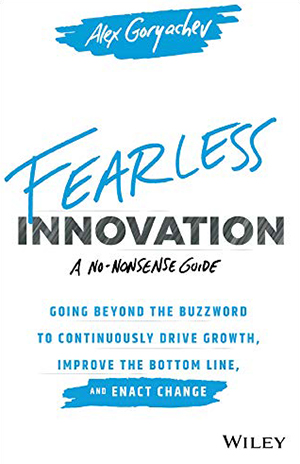
An excerpt from Fearless Innovation delves into new potentials for innovation as a driving force in the social sector.
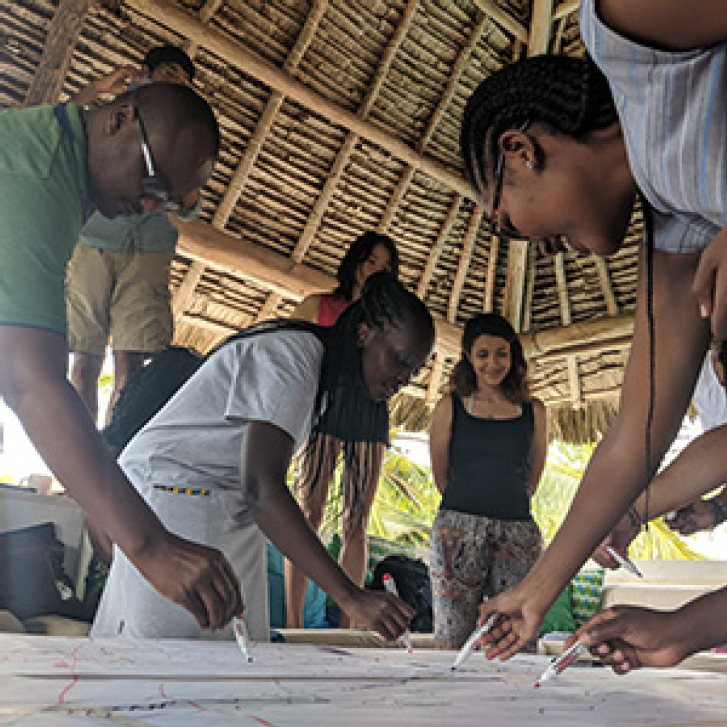
How Amani Institute is building a skills-based and inclusive curriculum for changemaking in the developing world. Part of the Innovating Higher Education series.
Over the last 30 years, half of all coral reefs have died, threatening marine species and people's livelihoods. To reverse this trend, Coral Vita uses a pioneering technique to grow coral in land-based farms up to 50 times faster than they grow naturally. A What's Next article from the Summer 2020 issue.
Since the Great Recession, leaders in finance and investing have aimed to make their industries more equitable, sustainable, and socially productive. Has the fight for financial reform found its moment amid the economic crisis sparked by the COVID-19 pandemic? A Case Study in the Summer 2020 issue.
Water, sanitation, and hygiene projects are not just for low-income countries overseas. They are also desperately needed at home. A Viewpoint from the Summer 2020 issue.
A list of SSIR articles to help social change leaders address operational and financial problems due to the COVID-19 crisis and other situations like it.
To have impact in the social sector, we need less jargon and more plain words so that we can reach shared understandings and act decisively together.
How do Latin American women not only defy gender norms to become entrepreneurs, but turn their own emancipation into societal change-making?
Conventional routes to scaling impact don’t always work. Conservation nonprofits and social ventures should be wary of the lure of a large partner and consider replicating from the grassroots instead.