


Talent: The Key to Developing the Social Sector in China
Many organizations in China are aging without reaching their potential for impact because they lack needed talent, but there are ways to overcome this challenge.
Innovative ways that organizations are using and adapting business strategies to advance social and environmental well-being (more)

Many organizations in China are aging without reaching their potential for impact because they lack needed talent, but there are ways to overcome this challenge.

Growing a social venture can create brand challenges with far-reaching consequences.

To market to the base of pyramid, we need to stop thinking of selling as a dark art.

The B Corp movement has pushed a powerful model of socially responsible business that has the potential to advance human rights. But it has so far failed to engage human rights advocates—to its detriment.

Impact investing has been seduced by a false narrative of combining social impact with financial gains.

Communities and the social sector both stand to gain when nonprofits acquire existing for-profits.

Six lessons on achieving financial independence in a resource-constrained era.

An innovation experiment in Indonesia yields insights on how international development organizations can effectively foster innovation within the communities they aim to help.
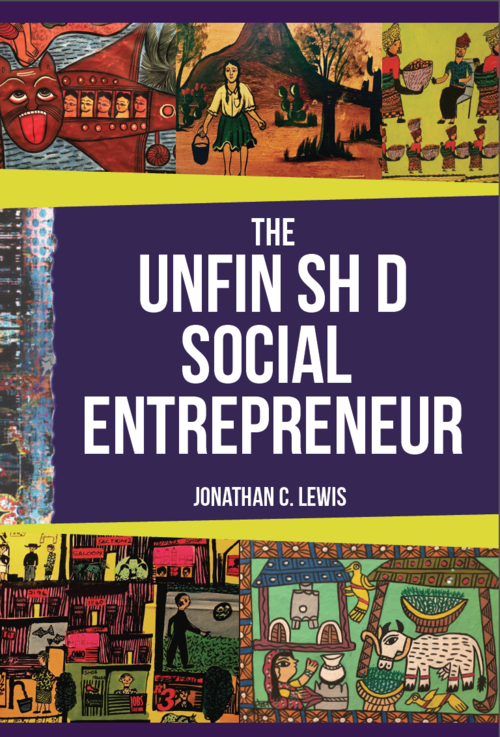
In accepting responsibility for social entrepreneurship, you and I accept the inescapable tension between two very legitimate impulses: the impulse to respect a community, and the impulse to change it.