Nonprofits
Turn on the TV, Class
Poor children can watch rich children's better school classes on TV.
Innovative ways that organizations are using and adapting business strategies to advance social and environmental well-being (more)
Poor children can watch rich children's better school classes on TV.
Skoll and Sundance hope documentary films prove powerful in making social change.
A new Web site shows voters who like-minded peers, organizations, and opinion leaders support.
Nonprofit lender Root Capital connects rural farmers and artisans with the corporations that crave their products.
LeapFrog Investments will bring better insurance to more of the world's poor.
The idea that social entrepreneurs create something called social value—good works that go above and beyond what traditional entrepreneurs and businesses deliver—is a dearly held tenet of the social change movement. But what exactly is social value, and how do social entrepreneurs go about creating it?
When Nau, an outdoor clothing start-up from Portland, Ore., launched in 2005, word on the street had it that the company would push socially responsible business to new heights. But barely a year after putting its earth-toned parkas and virgin merino wool sweaters up for sale in its übercool “webfront” stores, Nau pulled the plug. Find out how Nau tried on too much, too fast.
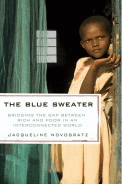
The author reviews Jacqueline Novogratz's book The Blue Sweater: Bridging the Gap Between Rich and Poor in an Interconnected World and draws insight from the book's in depth presentation of social enterprise.
The movement to provide capital to social enterprises is gaining momentum.
VisionSpring picks promising social entrepreneurs to restore the eyesight of poor people.