

Social Innovations
Staying Vibrant and Curious
Self-Renewal: The Individual and the Innovative Society by John Gardner
Innovative ways that organizations are using and adapting business strategies to advance social and environmental well-being (more)
Self-Renewal: The Individual and the Innovative Society by John Gardner

President Obama has sent a powerful message to the American public since taking office: Social innovation can play an important role in rebuilding a stronger country. With the passage of stimulus packages in areas such as clean energy, national service, and climate change, it's clear that the White House is approaching national challenges in new ways. In this panel discussion, hosted by Full Circle Fund and sponsored by the Stanford Center for Social Innovation, key staff in the Obama administration provide the broad outlines for these exciting changes.

Why Kiva chose to be a 501(c)(3), what this tax status buys the organization, and how being a nonprofit poses challenges.
Social innovation now has an official place in the White House.
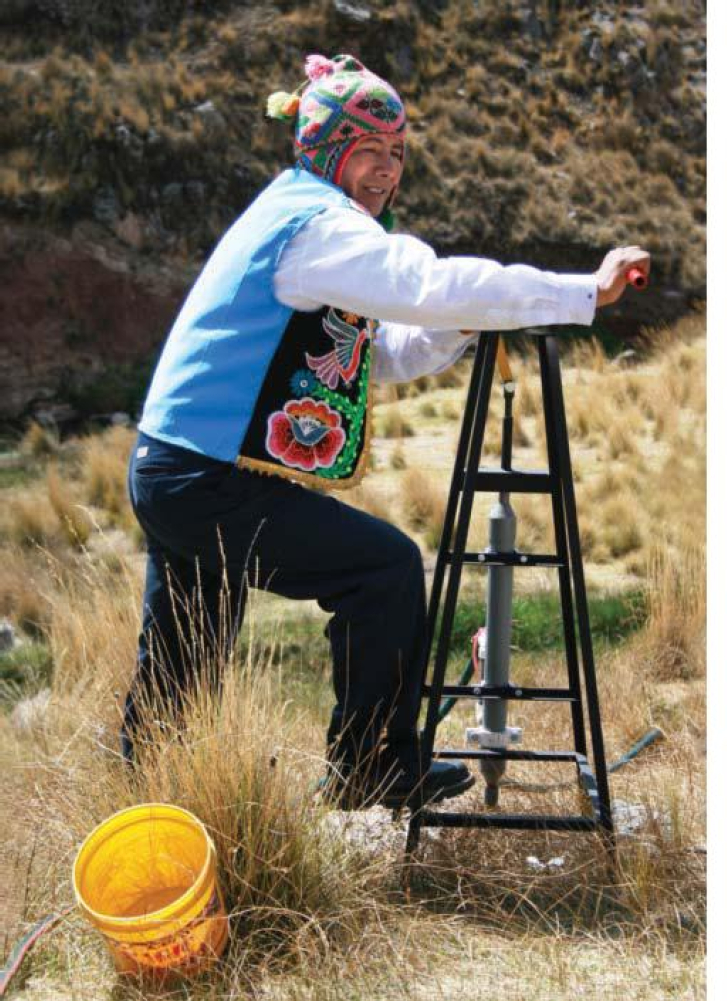
RAMP nurtures local inventors in India, Peru, and Indonesia.
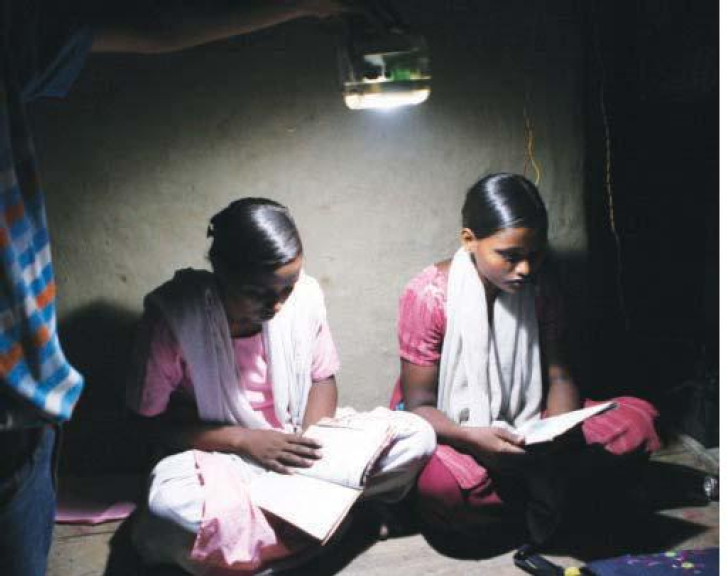
Investors screen for entrepreneurial passion when making funding decisions.
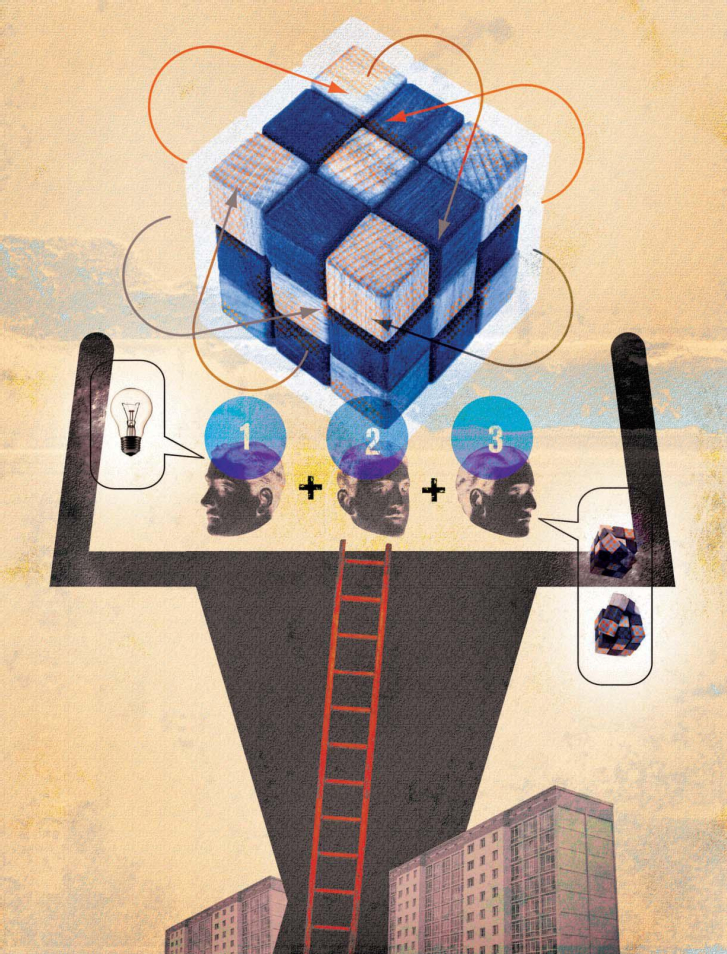
Some of the brightest ideas for social change grow in the spaces between organizations and sectors. Yet few organizations have systems that make collaboration happen. To foster innovation, organizations need to develop places where they can come together and work creatively—that is, platforms for collaboration. In this article, a management expert identifies three kinds of collaboration platforms—exploration, experimentation, and execution—and then outlines what organizations can do to put these platforms to work for them.

Social entrepreneurship is one of the most alluring terms on the problem-solving landscape today. The question is not whether social entrepreneurship is a term in
good currency, but what it actually means.

Companies can indeed make money while operating in socially responsible and environmentally friendly ways. It just takes what supply chain expert Hau Lee calls the Triple-A approach—having agility, adaptability, and alignment. Closing the Stanford 2008 Responsible Supply Chains Conference, Lee describes how small to mid-sized companies in China, India, and Israel boosted profits while shrinking waste and pollution and providing a fair workplace for employees.
Not a week goes by without a product safety incident splashed across the headlines. As companies face increasing layers of suppliers, the task of monitoring the many links in the chain becomes a formidable challenge. The situation is particularly troubling for social entrepreneurs, who are especially vulnerable. In this panel discussion from the 2008 Responsible Supply Chains Conference, executives who have experienced product safety challenges share what they have done to address these challenges head on.