


Stepping Up to Stop Hate Online
How US civil society groups and lawmakers can help end social media complicity in the spread of hatred, harassment, and bigotry.

How US civil society groups and lawmakers can help end social media complicity in the spread of hatred, harassment, and bigotry.
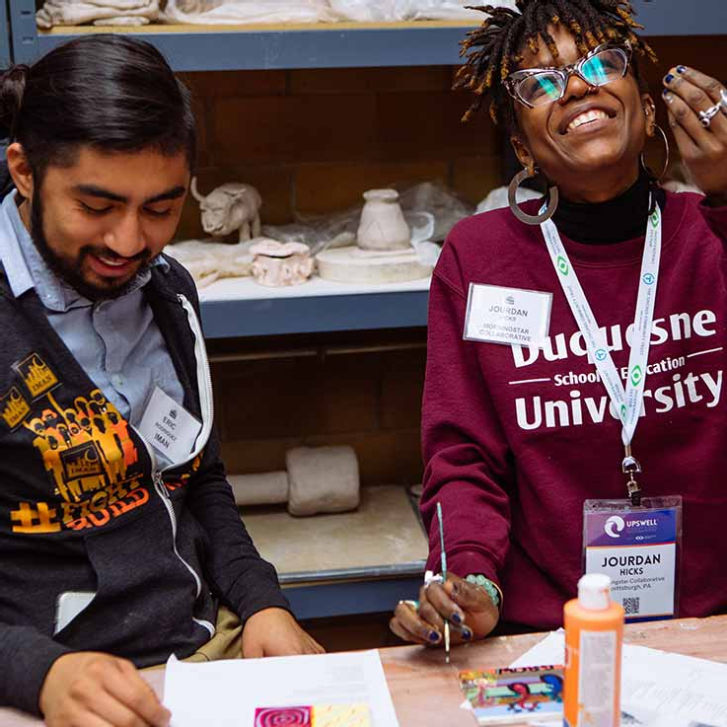
How nonprofits can continue building trust and participation in US elections by working with people on issues they care about.

We must shift how we understand and build societal health and prosperity, looking beyond economic growth to collective well-being and environmental sustainability.
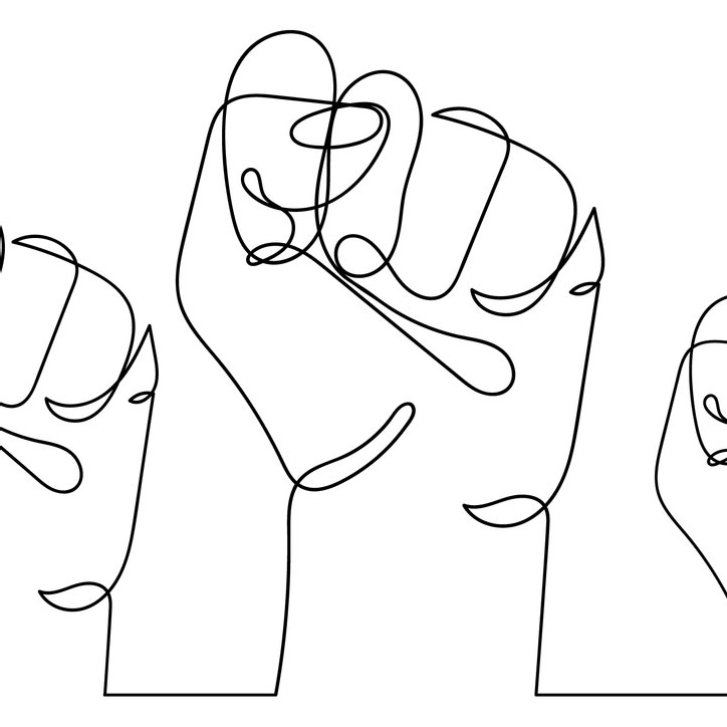
Not only do Black-led nonprofits need lasting and long-term support, but philanthropy needs to wrestle with its past failures to invest in the very communities we claim to be working for.

By focusing on three principles—shared goals, open acknowledgement of differing incentives, and the reduction of hierarchy and centralized strategy—organizations can build stronger partnerships, with an emphasis on action.

Six pathways to making housing more affordable and available from the Ivory Prize for Housing Affordability.

How civil society responses to COVID-19 in South Africa are resisting the all-too-common return to pre-crisis “normal.”

As climate change creates new ambiguity problems for farmers, communities need to better understand and assess their own environments.
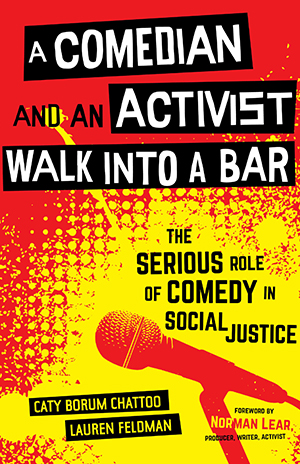
A new book argues that media and tech disruption creates the best scenarios for social change.

What the 2020 US presidential election can teach us about the need for new knowledge in the digital age.