Sustaining Collaborative Action
As more cross-sector collaborations gain traction, we must understand what it takes to keep them running over the long term and ensure that progress continues despite changes in leadership.

As more cross-sector collaborations gain traction, we must understand what it takes to keep them running over the long term and ensure that progress continues despite changes in leadership.

An organization’s response to a wide-scale Ebola outbreak provides six lessons in sustainable impact for NGO leaders.

Radical change is possible by adding six simple questions to MBA education.
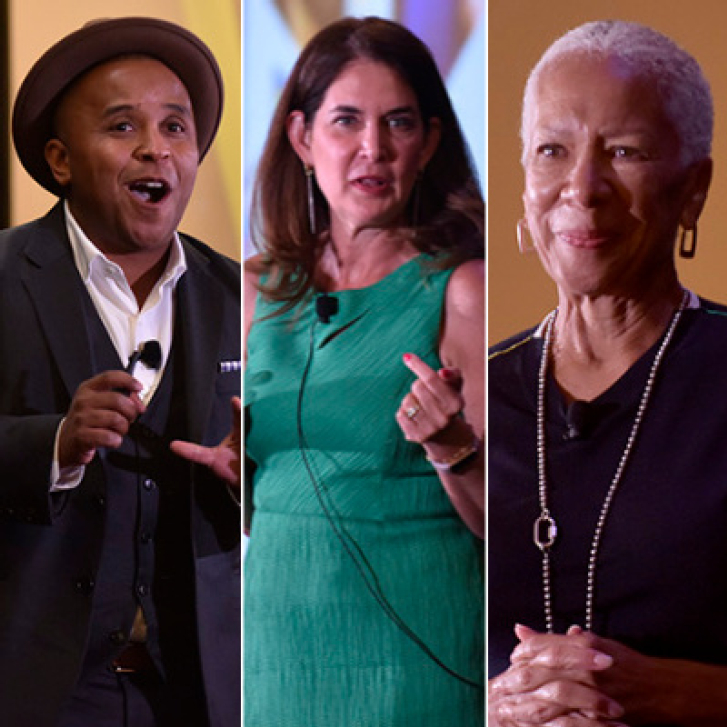
At SSIR's 2018 Nonprofit Management Institute, civil society leaders shared insight and inspiration for increasing diversity, equity, and inclusion during an era when divisiveness runs through much of the public discourse.
Exposing the problems of policy schools can ignite new ways to realize the mission of educating public servants in the 21st century.

An excerpt of Twenty Years of Life: Why the Poor Die Earlier and How the Challenge Inequity
As technology morphs businesses, markets, and economies, we must reimagine how we educate future managers—the UN’s Sustainable Development Goals provide a North Star.

Funders and others can better support the involvement of those who use social services in service design and implementation. And by doing so, they can generate more meaningful, systems-level impact.

How a family-planning group and an environmental organization banded together to foster the health of forests, fisheries, and families at the same time.
American civil society has a history of and reputation for political independence—and alongside it, accountability, transparency, and governance. But these unique qualities are at risk.