
Blending Evaluative and Organizational Development
How collaboration between nonprofit evaluators and organizational consultants can increase efficiency and lead to deeper results.
How collaboration between nonprofit evaluators and organizational consultants can increase efficiency and lead to deeper results.

The real promise of pay-for-success lies in changing how government funds social services.

Our ongoing obsession with the myth of meritocracy is now spreading to education systems in developing economies with pernicious effects.

The technology-driven model of agriculture may offer a means to address farm output and food security in the years to come.

In the wake of Hurricane Harvey, a nonprofit leader shares lessons on preparedness, collaboration, and resilience.

Without methods to gauge success and failure, and without appropriate ethical frameworks, humanitarian tech may do more harm than good.

Five rules of the road from a seed-stage investor in financial technology for the underserved.
The Trump administration wants to ban terms like “evidence-based” from government reporting. But if policymakers can’t make budget and policy decisions based on evidence, what, exactly, is supposed to guide them?
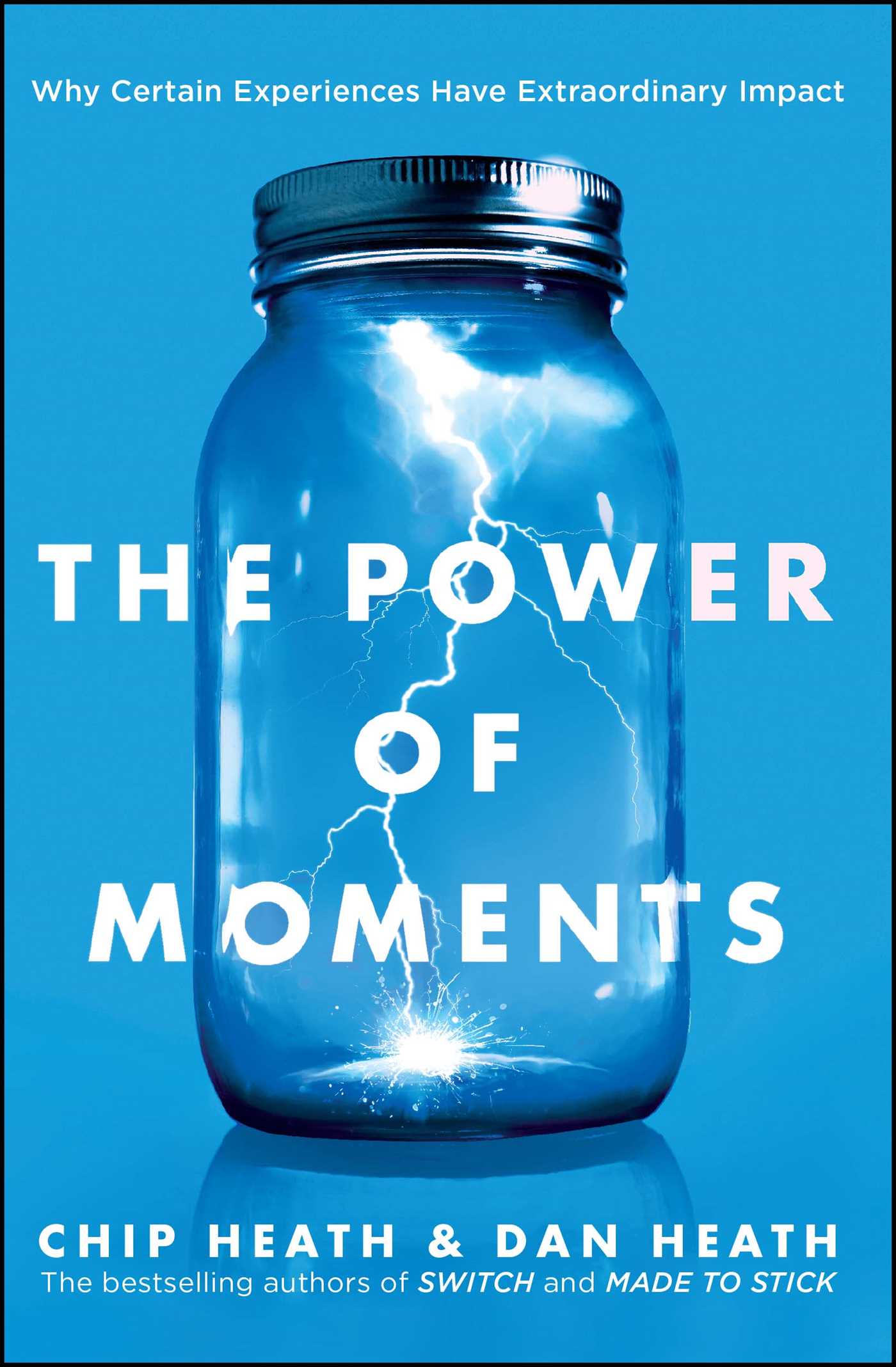
The Heath brothers' book shows how, if we pay attention and work creatively, we can elevate ordinary moments into life-changing events.
Advocates and organizers need to think strategically about how to ensure that women are supported as they continue to report sexual violence and their perpetrators are held accountable. To do so, they can look to the science on social norms.