A New Digital Currency for Sustainable Development
An innovative digital currency could help harness and unleash more private capital to alleviate poverty, reduce greenhouse gas emissions, and achieve the UN's Sustainable Development Goals.

An innovative digital currency could help harness and unleash more private capital to alleviate poverty, reduce greenhouse gas emissions, and achieve the UN's Sustainable Development Goals.
Highlights from the first two days of SSIR’s Frontiers of Social Innovation, a forum of change-makers themed around “Inclusive Markets—Inclusive Societies.”
In an industry where the “publish or perish” mentality is strongly engrained, collaboration is gaining traction and leading to better patient outcomes.
How the Natural Resources Defense Council effectively unearthed and reframed compelling research to raise public awareness and effect policy change around food waste.
Three things legislators, universities, and social sector advocates can do to make sure we don’t lose out on the many contributions undocumented students can make to society.
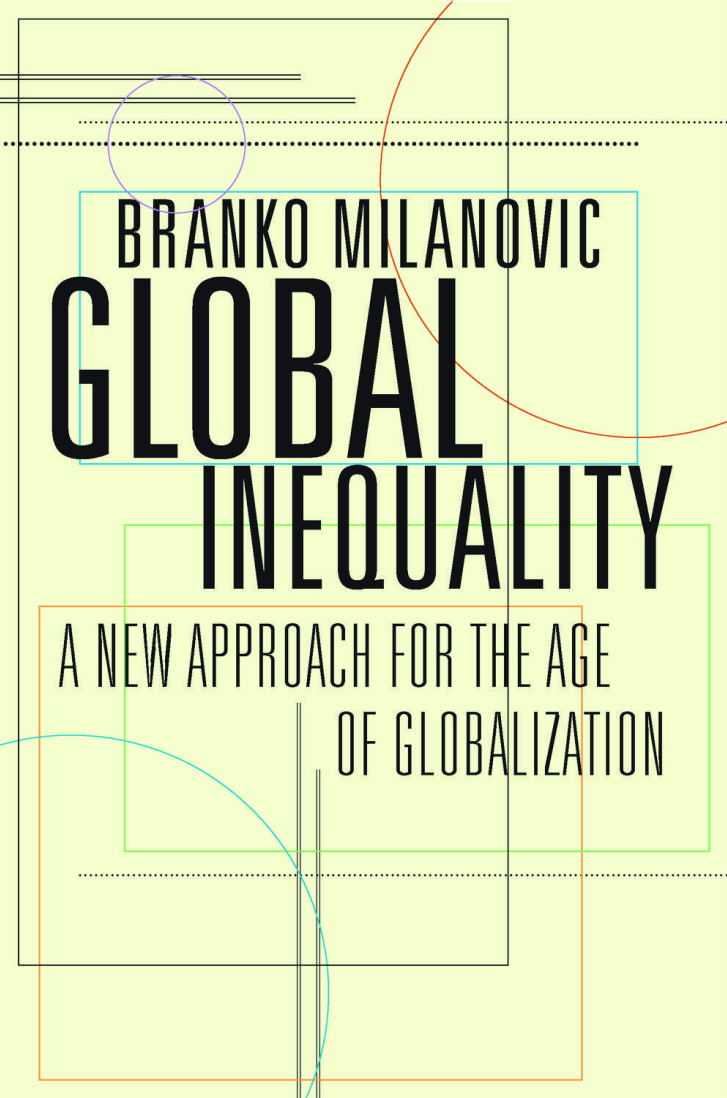
This passage from Global Inequality argues that we should focus less on inequalities between specific identity groups and more on reducing overall wealth gaps.

By using a dynamic framework for authentic collaboration, we can increase the potential for problem-solving and create long-term, societal level change.
Lessons from the voter turnout series, a collaboration between the Hewlett Foundation and SSIR.

We need more and deeper commitments from funders to foster the next generation of environmental changemakers.

How the California Heath Care Foundation sparked statewide change by “showing” rather than “telling” its data, making use of existing partnerships, and funding what works.