sponsored
Solving Japan’s Childcare Problem
Florence, a social enterprise, is helping cause major reforms in Japan's childcare system.
Innovations in public services that promote equity and opportunity (more)
Florence, a social enterprise, is helping cause major reforms in Japan's childcare system.

While communities can benefit from the entry of more welfare nonprofits, there is a point after which greater numbers are counterproductive.
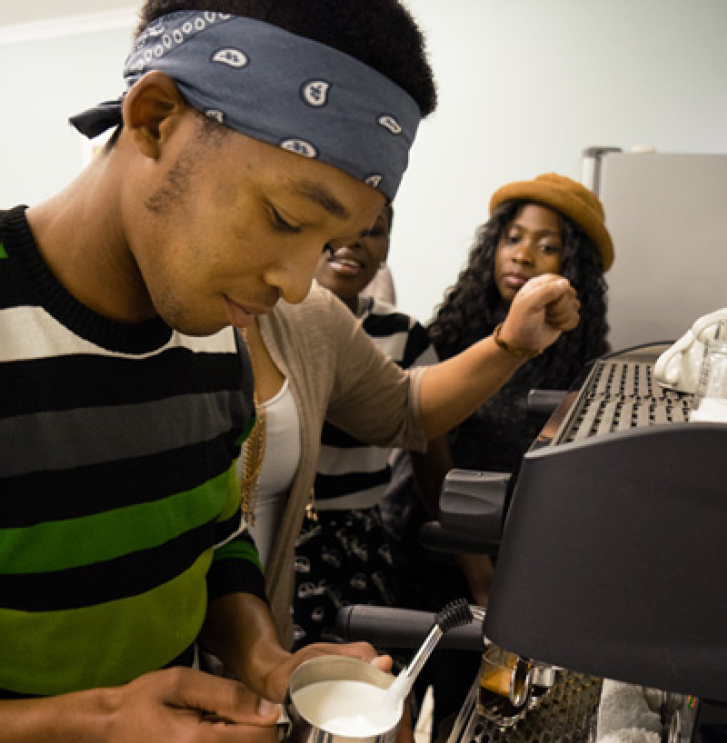
Instead of prescribing higher education as the silver-bullet solution to poverty, we must provide diverse and contextualized pathways to disadvantaged children, enabling them to redefine the dominant narrative of success.
Launching social enterprises with national reach holds great promise, but there’s no easy route to success—a look at four lessons from the field.
It’s hard to fully understand the effects of interventions that aim to address several life challenges at once. But it can help to transition from all-or-nothing assessments to more incremental measures.
Funders can support positive change by backing proven, replicable interventions and new measurement tools that help draw the connection between services offered and results achieved.
Evidence-based practice has great potential to improve social outcomes, but only if we do a better job marketing and adapting it to address the specific problems at hand.
In laying the groundwork for stronger cross-sector collaboration and outcomes-focused approaches, pay-for-success projects in Silicon Valley are reaping benefits far beyond the success they’ve agreed to invest in.
By offering better early support for struggling families, child welfare services can reduce the need for more serious interventions down the line and improve the wellbeing of whole neighborhoods.

In Japan, minimart chains such as 7-Eleven and Lawson play a major role in providing services for a burgeoning elderly population.