

Putting More Fun into Play
In a new playground in Manhattan, "play associates" will encourage youthful creativity while reminding parents and nannies to take a giant step back.

In a new playground in Manhattan, "play associates" will encourage youthful creativity while reminding parents and nannies to take a giant step back.
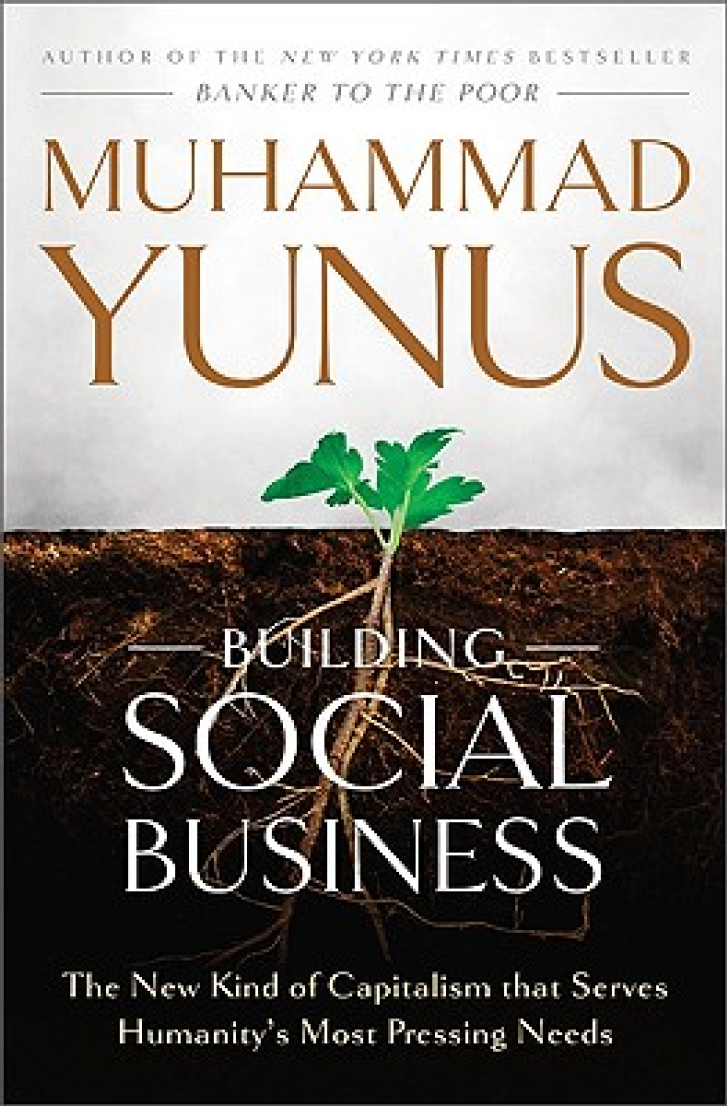
Building Social Business: The New Kind of Capitalism that Serves Humanity’s Most Pressing Needs by Muhammad Yunus
Philanthropedia cofounder Deyan Vitanov wants to make it easier for donors to see the impact of the organizations they fund.

How can you leverage the power of design thinking and psychological research with practical tools and strategies to get your social enterprise off the ground? In this university podcast, sponsored by the Stanford Center for Social Innovation, Stanford Graduate School of Business marketing professor Jennifer Aaker introduces the "dragonfly effect" model to illustrate how technology can be used to support business and social missions.
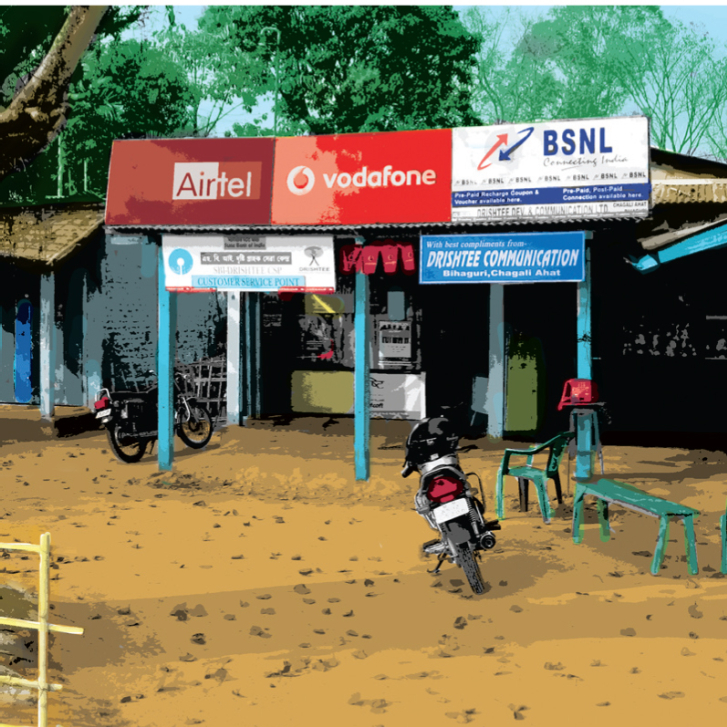
Microfranchising poses fewer risks and offers greater benefits than does creating a new business from scratch.

Social problems are being addressed not only through the traditional nonprofit sector but also with emerging social enterprise structures such as for-profits that focus on the triple bottom line and hybrid models that blend market and nonmarket approaches. Kriss Deiglmeier, executive director of the Center for Social Innovation, moderates a panel of social enterprise leaders who discuss the unique aspects of their respective organization's legal structure, and share perspectives in establishing and maintaining enterprises dedicated to advancing social impact.
Even if another model isn’t quite right, the idea of model-sharing—teaching and learning lessons from others—can be enlightening.
Akshaya Patra USA is an innovative social enterprise, a food program that is changing the face of education in India. In this audio interview with Stanford Center for Social Innovation correspondent Sheela Sethuraman, President and CEO Madhu Sridhar talks about how the enterprise grew from a small organization to a massive, well-run entity. She discusses its noble goals and its strategically oriented approaches to meeting high-volume demand at low cost.
Harnessing engineering innovation and technology to further social causes is one path to social enterprise. In this university podcast, sponsored by Stanford's Center for Social Innovation, former rocket scientist Jim Fruchterman talks about how he created Benetech, an organization that uses technology innovation and business expertise to solve unmet social needs. He discusses how he has leveraged the intellectual capital and resources of Silicon Valley to create solutions that are truly life changing.
Malnutrition is a prime target for social enterprise efforts. In this audio interview with Stanford Center for Social Innovation correspondent Sheela Sethuraman, Dipika Matthias talks about Ultra Rice, a technology developed by PATH in Seattle, which is being introduced to millions of families around the world with great health and productivity benefits. The project director talks about the genesis of the project, its progress so far, and where it is headed.