


sponsored
Becoming Big Bettable
Social change leaders can create more investment opportunities that can transform the world by following these guidelines.

Social change leaders can create more investment opportunities that can transform the world by following these guidelines.

Historic growth in wealth globally and the rise of new philanthropists threaten the relevance of institutional philanthropy—while creating new opportunities for impact and influence.
The president and CEO of the United Nations Foundation reflects on the power of philanthropic collaboration.
The president and CEO of Independent Sector elaborates on how big bets can help redistribute wealth and rebalance the power dynamic between donors and nonprofits.
The president of Echoing Green explains how to get more big bets to organizations led by people of color.
Five insights about social mobility and the role of big bet philanthropy.
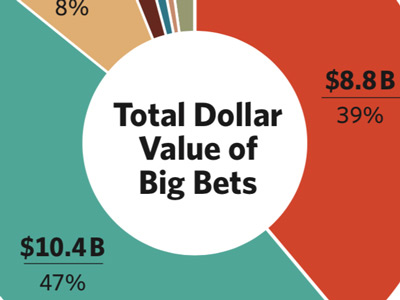
Among the big donors were the National Fish and Wildlife Foundation, the Bill & Melinda Gates Foundation, and Bloomberg Philanthropies.

These five examples of large investments demonstrate the enormous impact they can have on the world’s most pressing problems.

It is imperative to include customers in solving problems, but jumping straight into human-centered design misses the rich and insightful data required to shift the system and achieve better results.
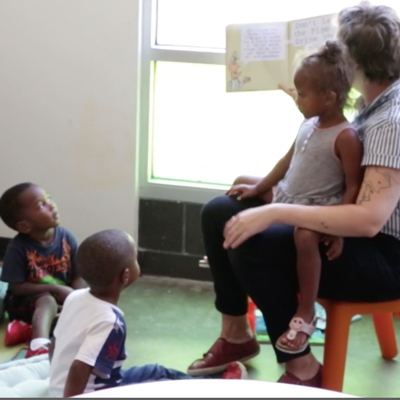
The Arkansas nonprofit Our House, which provides shelter to homeless families and individuals working to regain their economic independence, has built a culture of continuous feedback with surveys, community councils, and “happy or not” voting terminals. Part of a series produced for SSIR with the support of the Hewlett Foundation.