A Different View of Mapping
New platforms are using crowdsourcing and open-source technology to challenge Google’s dominance over how we see the world.
Innovations in technology that serve the world (more)
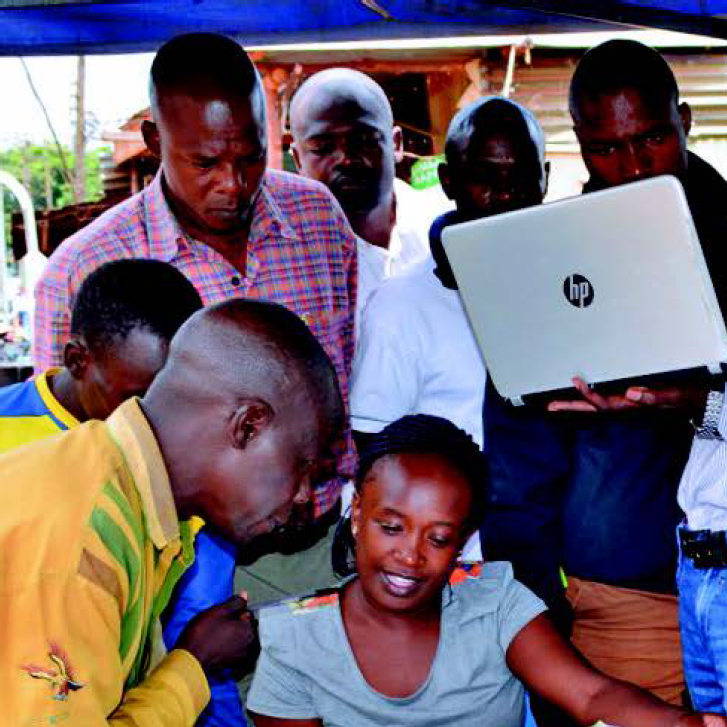
New platforms are using crowdsourcing and open-source technology to challenge Google’s dominance over how we see the world.
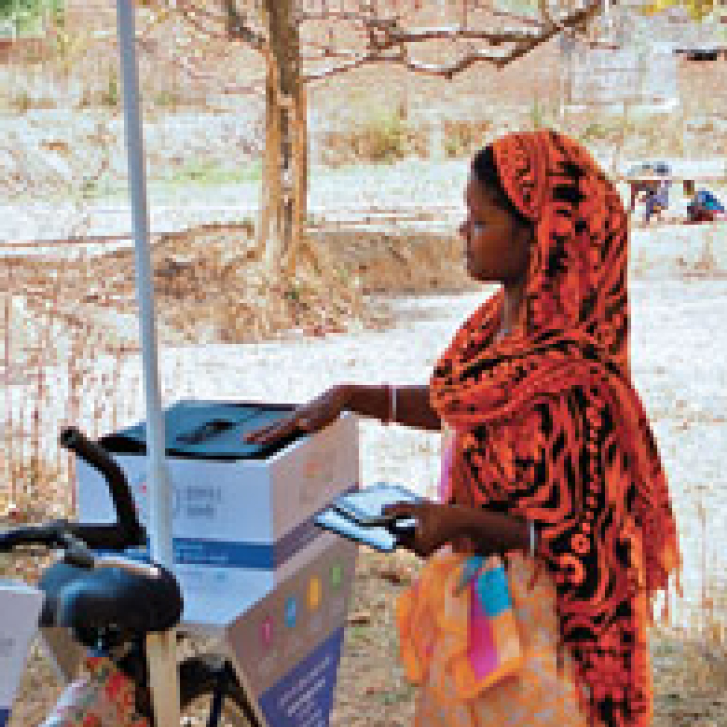
Hindi for “friend,” the Saathi Internet program enables women in rural India to help other women improve their lives and livelihoods.
Proprietary data can help improve and save lives, but fully harnessing its potential will require a cultural transformation in the way companies, governments, and other organizations treat and act on data.

Four lessons for innovators, funders, and policymakers working to promote financial health in the United States.
How the social sector might transform from a market for funding to a market for social impact.

With a growing part of the workforce earning a living independently, we need a new system that provides greater stability and security.
Like games, classes aren’t interesting when the skills they require are too easy to master and there’s no chance of failure.

How technology and data can form the basis for common-sense, bi-partisan policy reforms amid new uncertainties.

Faced with a potentially dramatic shift in federal policy, how can policymakers, civic tech leaders, philanthropists, and social innovators reshape their approach to innovation, technology, and data so that the US government is more responsive and connected to the people?

Technological innovations have the potential to transform education, but only if they encourage a more active learning environment that fosters critical thinking.