



Technology
The Stories We Tell About AI
Narratives are an essential prerequisite to social change. Current narratives on AI and work only serve to increase tech companies’ power and undermine workers’ rights.

The ESA Hub is spearheading an anticipatory-response model of disaster management in Zimbabwe to protect people from climate-related destruction.
Narratives are an essential prerequisite to social change. Current narratives on AI and work only serve to increase tech companies’ power and undermine workers’ rights.

What the Human Genome Project can teach us about channeling a revolutionary technology for public benefit—and why nuclear weapons are a counter-productive analogy.
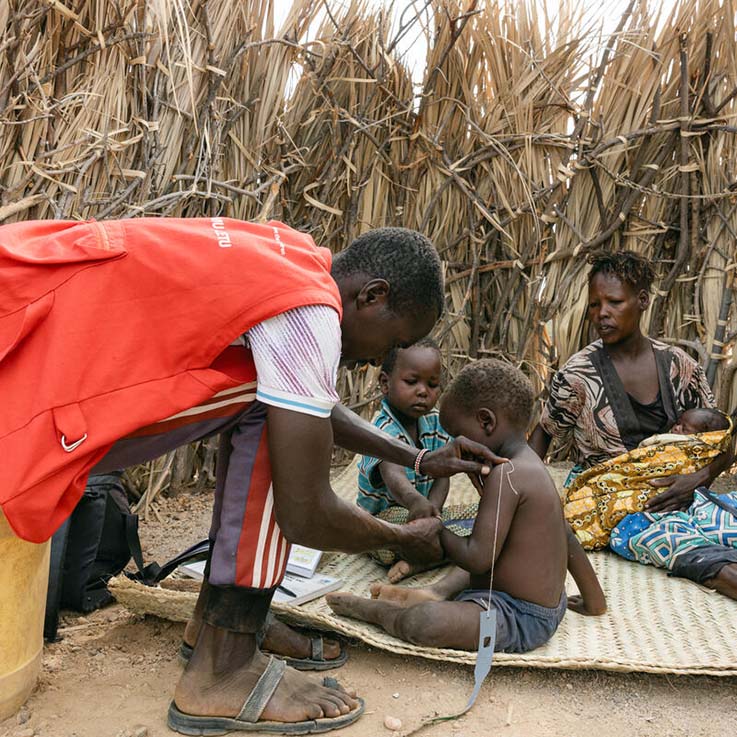
Development aid is not a handout but a catalyst for partnership in global stability.
What’s the impact of recent funding cuts to humanitarian aid? How are organizations reorganizing their critical work with vulnerable communities? Bob Kitchen of the International Rescue Committee and Harriet Carvalho of DAFGiving360 join SSIR editor Barbara Wheeler-Bride to discuss the Trump administration’s unprecedented cuts to foreign aid and how donors can respond. A sponsored podcast developed with the support of DAFgiving360

The polycrisis requires seeding new forms of holistic problem-solving across multiple systems.

Defending and strengthening democracy requires local, national, and transnational solutions. This essay series, sponsored by Keseb, shares strategies and perspectives from leading democracy champions in Brazil, South Africa, and the United States.

What the social innovation community needs to understand about Silicon Valley’s current hype cycle.


Executives from 10 major corporations discuss the innovative ways that they are putting societal issues at the core of their companies’ strategy and operations.

How Shared Hope International uses digital tools and meaningful grassroots experiences to activate support.

Mental health is an essential intervention to address violence and trauma at the individual, interpersonal, and systemic levels.

Since the first days of the war, Ukrainians have responded with the expertise, creativity, and flexibility necessary to meet the needs of their neighbors rapidly and efficiently.

Data is a powerful tool in addressing contemporary challenges, but current consent models don’t go far enough to align with community expectations and protect vulnerable populations.