


Environment
SSIR’s 2021 Guide to Climate Change Solutions
A collection of SSIR articles highlighting how social change leaders are responding to the ongoing climate crisis while the world reels from the COVID-19 pandemic.
Innovations in the way that organizations use civil disobedience, protests, and other forms of activism to advance social progress

A collection of SSIR articles highlighting how social change leaders are responding to the ongoing climate crisis while the world reels from the COVID-19 pandemic.
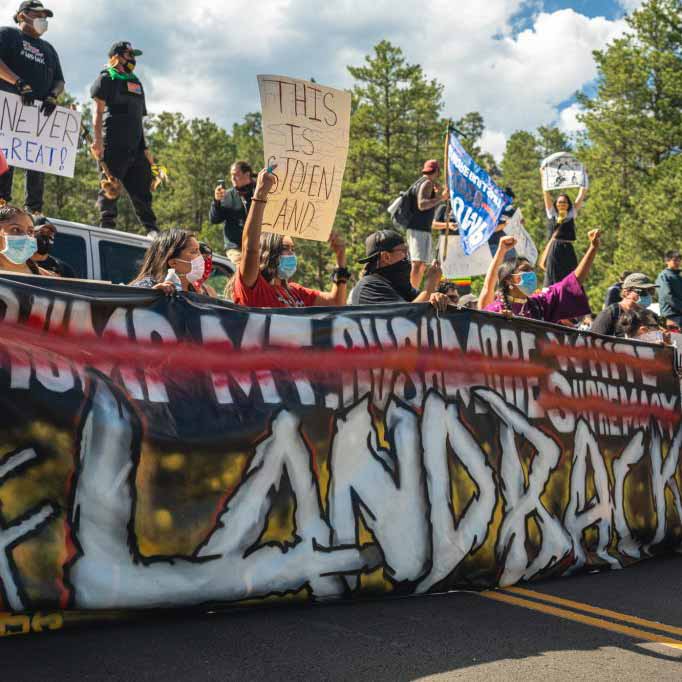
While allies and advisors are important in our work, it’s more important to support and develop our own Indigenous power, leadership, and decision-making.

A recap of this year's Data on Purpose conference on digital solutions to problems of democracy and civil society.

Rick Doblin launched the Multidisciplinary Association for Psychedelic Studies in 1986 to research and advocate for the use of LSD, magic mushrooms, and Ecstasy to treat mental illness. After more than three decades of labor, he has found his moment.

Brazilian civil society worked together to win basic income for the poor. Its success illustrates how organizations must interlock to secure rights and push for social change.
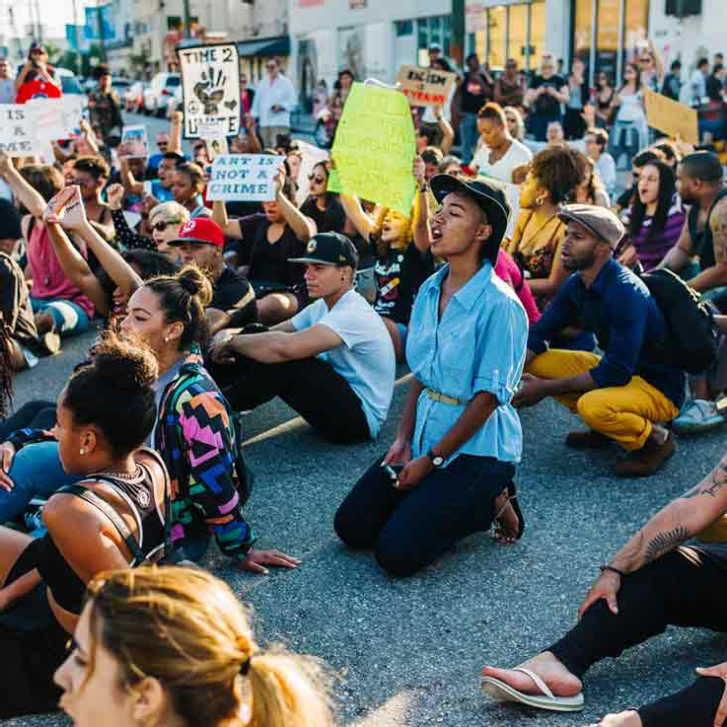
Protest actions seen as extreme and highly disruptive diminish popular support.

Social movement boycotts increase board turnover, especially when board members are sympathetic to the cause at issue.

Social and behavioral sciences can help us understand why COVID-19 is making giving practices more localized and expansive.

A new book explores politically effective ways each of us can channel outrage and similar emotions as forms of practical activism.

Commercial national charities and community foundations should refuse requests by donor-advisors to give to hate groups.