


Design Thinking
What Could Go Wrong?
An excerpt from Assembling Tomorrow on looking at the unintended consequence of what you create.
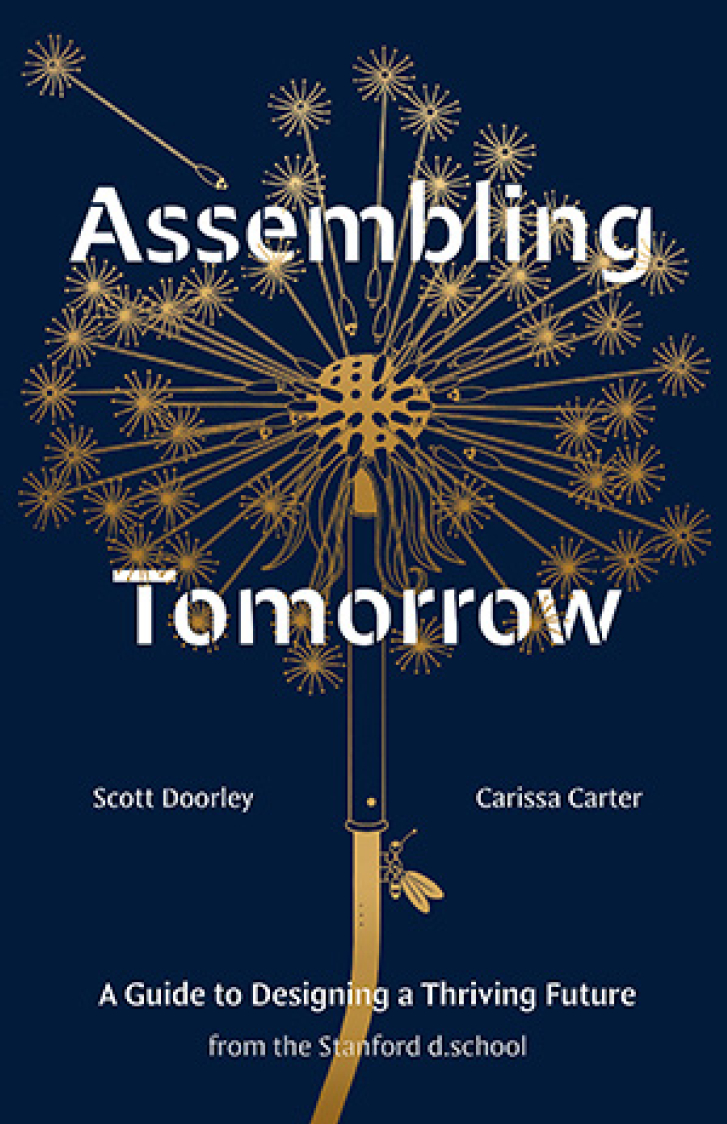
An excerpt from Assembling Tomorrow on looking at the unintended consequence of what you create.
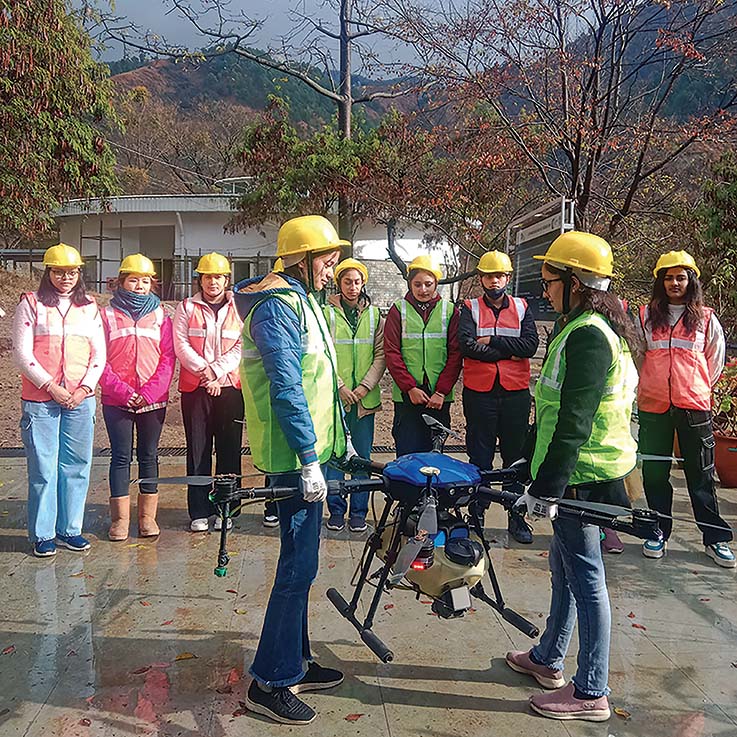
A new government program in India is training women to become agricultural drone pilots to increase their financial security and modernize farming.

Because equity is not the status quo, international development practitioners must adopt intentional best practices.

There are exciting possibilities, but we are also facing a deafening cacophony of scientific communication, and much of it will not be positive.

As the world of work is reshaped by AI, there are opportunities within the critical, fast-growing care sector to enable and support a workforce facing acute shortages.

How thoughtfully designed AI-powered applications can drive stronger and more equitable outcomes for nonprofits.

How cooperatives and collectives can build the AI sector toward justice, equity, and shared prosperity

AI systems can give voice to previously unheard stakeholders and make collective decision-making processes more inclusive—but only if they are designed thoughtfully and deployed responsibly.

What the social innovation community needs to understand about Silicon Valley’s current hype cycle.

How prioritizing technological expertise on the board level can help nonprofits and social service organizations make the most of their resources and improve outcomes for the communities they support.