Social Innovations
Funding the Future in China
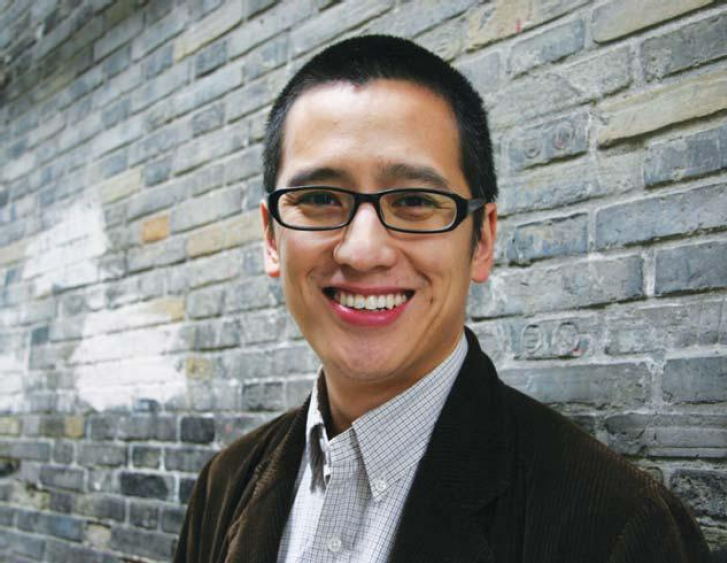
Qifang, an online peer-to-peer lending platform, expands access to education for the world's largest student population.
Companies can indeed make money while operating in socially responsible and environmentally friendly ways. It just takes what supply chain expert Hau Lee calls the Triple-A approach—having agility, adaptability, and alignment. Closing the Stanford 2008 Responsible Supply Chains Conference, Lee describes how small to mid-sized companies in China, India, and Israel boosted profits while shrinking waste and pollution and providing a fair workplace for employees.
When an earthquake hits, what should you do? Should you get out of the house? The answer, says Elizabeth Hausler, founder of Build Change, depends upon where you live. In this audio interview with host Sheela Sethuraman, Hausler describes how the strategies of Build Change are helping villages in Indonesia and China to build earthquake-resistant housing.
Environmental sustainability is an area ripe for social entrepreneurship. In this panel discussion at Stanford, industry experts discuss the challenges and opportunities for enterprising business minds in the area of climate change. They consider how new economies like China and India are tackling the problem, and whether entrepreneurs should lead with "impact" or "profitability" in pitching solution-oriented ideas to investors.
A Hong Kong manufacturer brings business practices to social services in Asia.