


Scaling
Rethinking Scale in Climate Solutions
How grassroots movements create durable and transformative impact.
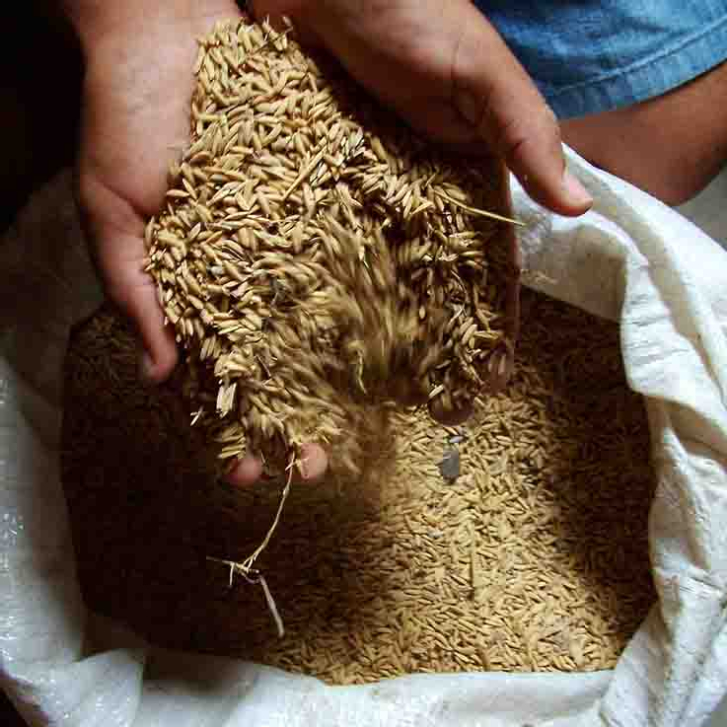
How grassroots movements create durable and transformative impact.
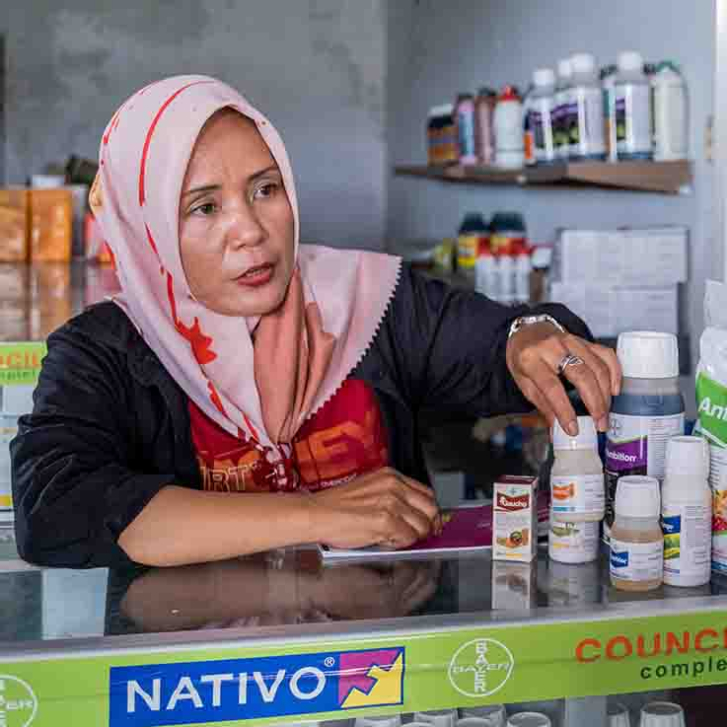
Businesses need to take actions that improve not only the environment, but also human health and well-being, particularly among vulnerable communities in their value chains.
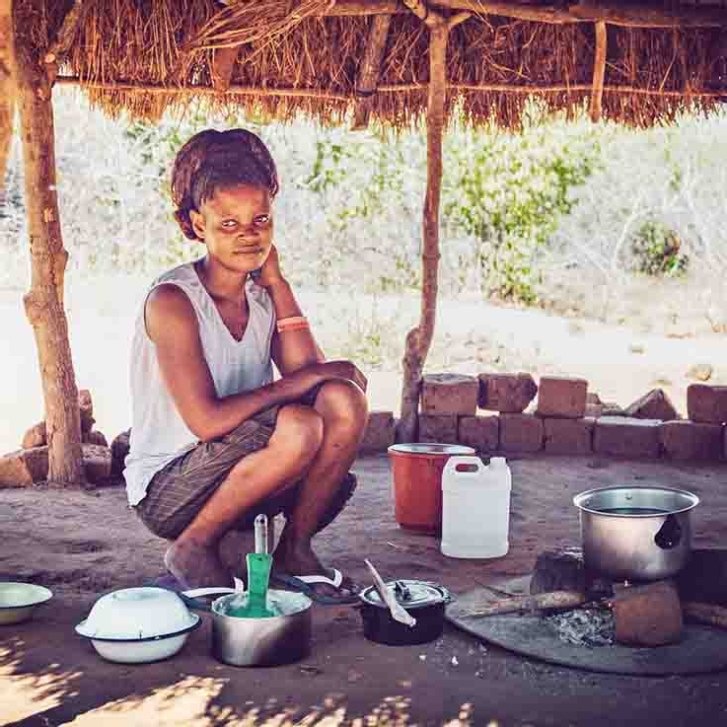
Why we need to move business from the margins to the mainstream on climate justice, and how to get there.
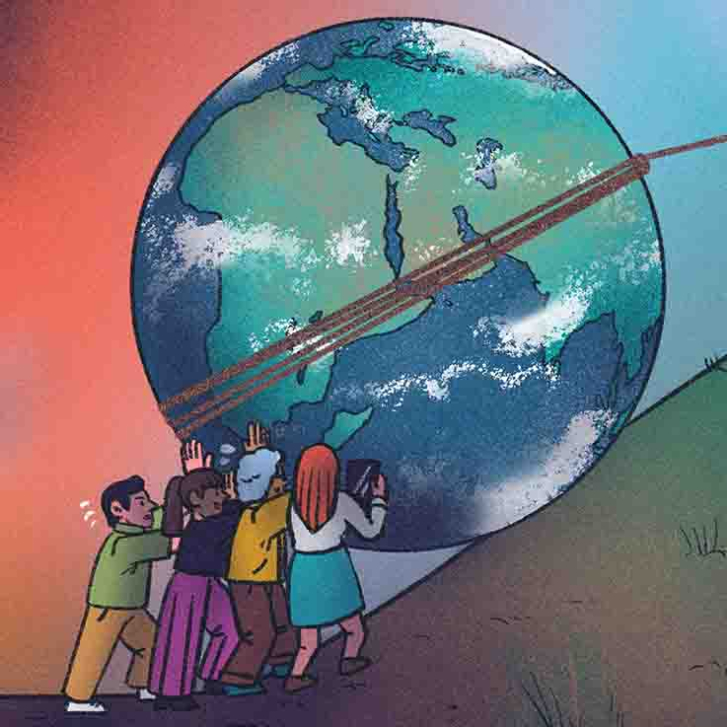
Through intentional investments and informed divestments, investors, philanthropists, and foundations can support environmentally conscious, community-centered, and reparative approaches to economic and technological change.

A successful transition away from fossil fuels will require strong and vocal civil society organizations and social movements, along with government and business, to make the changes that are necessary if we are to avoid the calamities of global warming.

Food consumption is deeply shaped by the cultural and socio-economic conditions in which it is embedded. How can civil society put food system transformation on the agenda in developing countries that only recently eliminated or are still fighting widespread hunger?

Recent rapid growth in climate philanthropy risks redundancy, waste, and friendly fire.
While CDR will be crucial in the long term, firms working toward net-zero, now, need to work toward reducing emissions.

Illinois’ Climate and Equitable Jobs Act shows that transformative policymaking is dependent on a genuinely inclusive process.

A collection of standout pieces published online about blockchain for good, collective impact, overcoming racial equity fatigue, and carbon offsets.