


Philanthropy & Funding
Shifting Philanthropy to a Justice-Minded Approach
Brian Barnes and Dorian Burton, co-founders of TandemEd, discuss why philanthropy needs a new framework that grounds giving in “justice” rather than “charity.”
Brian Barnes and Dorian Burton, co-founders of TandemEd, discuss why philanthropy needs a new framework that grounds giving in “justice” rather than “charity.”

Addressing today’s most pressing challenges requires developing the capacity to lead collaboratively and to effectively work across sectors.
Becoming an effective cross-sector leader requires a set of skills built around three broad areas: building teams, solving problems, and achieving impact.

The James Irvine Foundation’s New Leadership Network provides lessons about how to foster civic innovation.

Three alternatives to the backbone organization—a fundamental aspect of collective impact efforts—that can help ground collaborations focused on systemic change.

How a New York community center is training college advisors, school counselors, volunteers, and members of community-based organizations to provide high-quality college advising.

Improving learning outcomes in India requires that funders and social purpose organizations shift to working on the entire educational ecosystem rather than focused interventions.

Successful, multi-national, collective impact efforts require that organizations carefully consider two dimensions of their approach.
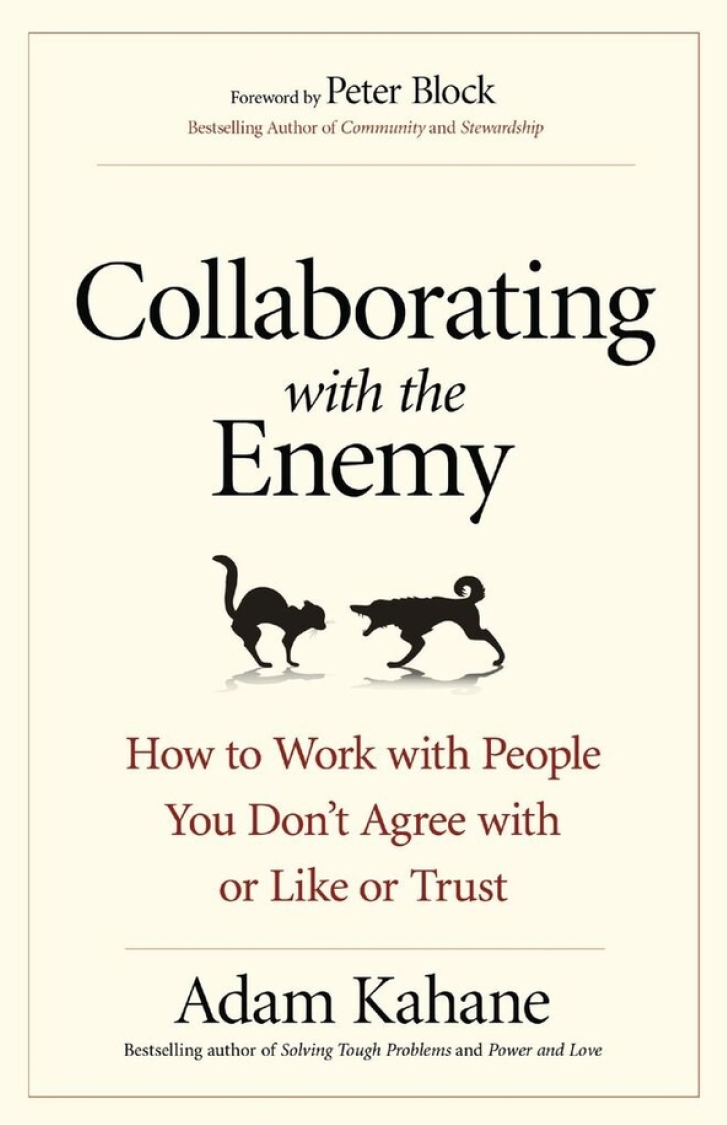
Although his advice could at times be more concrete, Kahane offers an effective critique of current approaches to collaboration and shows the need for a different way of working together.

How can we work together to make our vast stores of data more useful to people working in different fields and sectors?