sponsored
Building Economic Flywheels
Concentrating investments along key corridors in the Motor City can generate market activity, but more effort must be made to create self-sustaining momentum that propels communities toward broader prosperity.
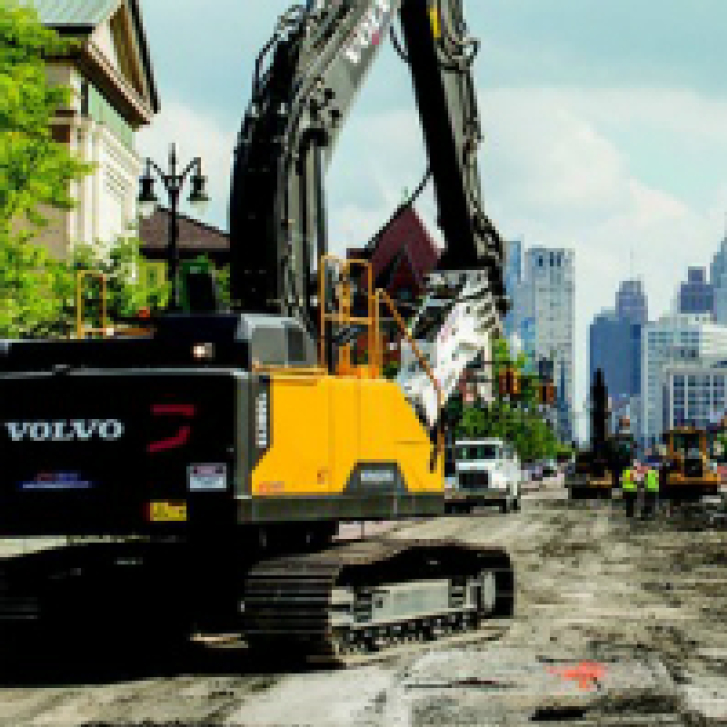
Concentrating investments along key corridors in the Motor City can generate market activity, but more effort must be made to create self-sustaining momentum that propels communities toward broader prosperity.

A roundtable discussion on the role that leadership from across sectors played in revitalizing Detroit.

What we can learn from cultural innovators, and why it’s important.
How can making a city more walkable improve early childhood development?
To disrupt the starkest income divide in US history, we must foster new ownership models that more evenly distribute wealth and assets throughout the United States.
Grantee inclusion can help correct the power imbalance not only between foundations and nonprofits, but also between marginalized communities and the broader power structures that perpetuate inequity.

Meeting today’s growing conservation challenges requires that we find new ways of thinking about and practicing conservation, rooted in solving social problems through scalable methods and prototypes that deliver results.
By transforming municipal volunteering programs into “impact volunteering” efforts, leaders and citizens can lay a foundation for civic renewal.
Four years ago, a Northern California bookstore reinvented itself as a hybrid social enterprise—and its story continues to unfold.