Economic Development
Unshared Value?
The demographic profile of Airbnb users doesn’t quite reflect the egalitarian goals of the “sharing economy.”

The demographic profile of Airbnb users doesn’t quite reflect the egalitarian goals of the “sharing economy.”
As grassroots and “grass-tops” groups come together to create collective impact, funders have the power to foster truly authentic engagement and co-ownership among all.
Faith Mitchell of Grantmakers In Health, Dr. Robert Ross of The California Endowment, and Nick Tilsen of the Thunder Valley Community Development Corporation talk about how their organizations are addressing health gaps among different communities.
It is time to connect our classrooms with the world.
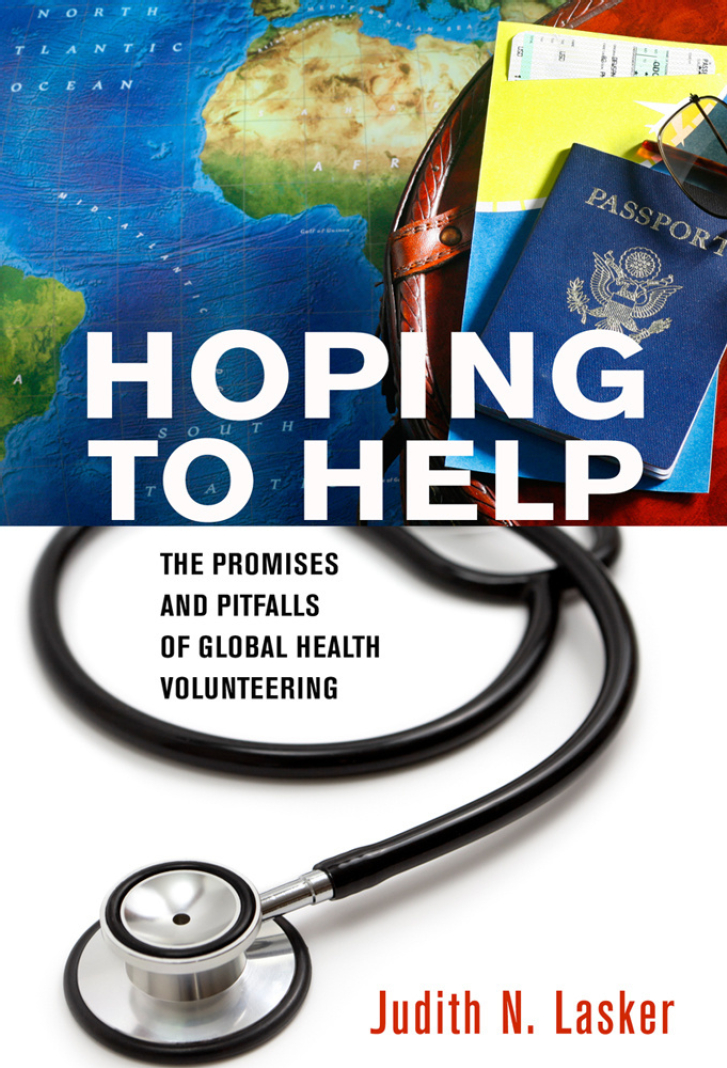
Drawing on extensive field research and surveys, Lasker suggests several ways to make international health volunteering more effective.

These books offer perspectives on how we can enable a broader range of people to participate in our systems and institutions.
Technology and innovation aren’t just the province of new organizations—a look at how one nonprofit has navigated nearly a century-and-a-half of change.
Trabian Shorters of BMe Community explains why, if you really want to make a positive impact, it's important to focus on the positive assets rather than the deficiencies of the people you want to serve.
In Senegal, where many believe contraception is inconsistent with Islamic values, religious leaders can play an important role in improving reproductive health statistics.
Existing forests and diverse ecosystems are arguably the world’s most valuable resources. How can we make preserving them worth our while?