
Civic Engagement
Is It Time for a New Presidential Debate Format?
Around the world, people want more say in what questions candidates need to answer during presidential debates.
Around the world, people want more say in what questions candidates need to answer during presidential debates.

Given that all charities and charitable foundations exist to serve the public good, why do so few hold their meetings in public?
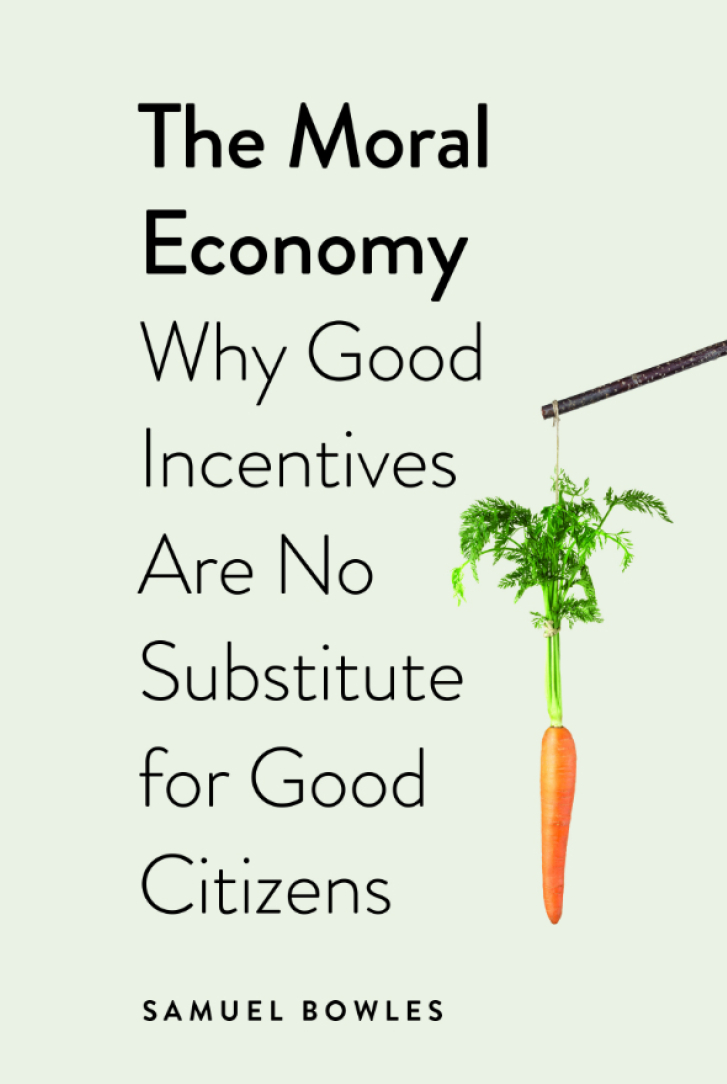
When we pay people to do things that they know they should be doing as good citizens, they tend to devalue the moral basis for acting that way.
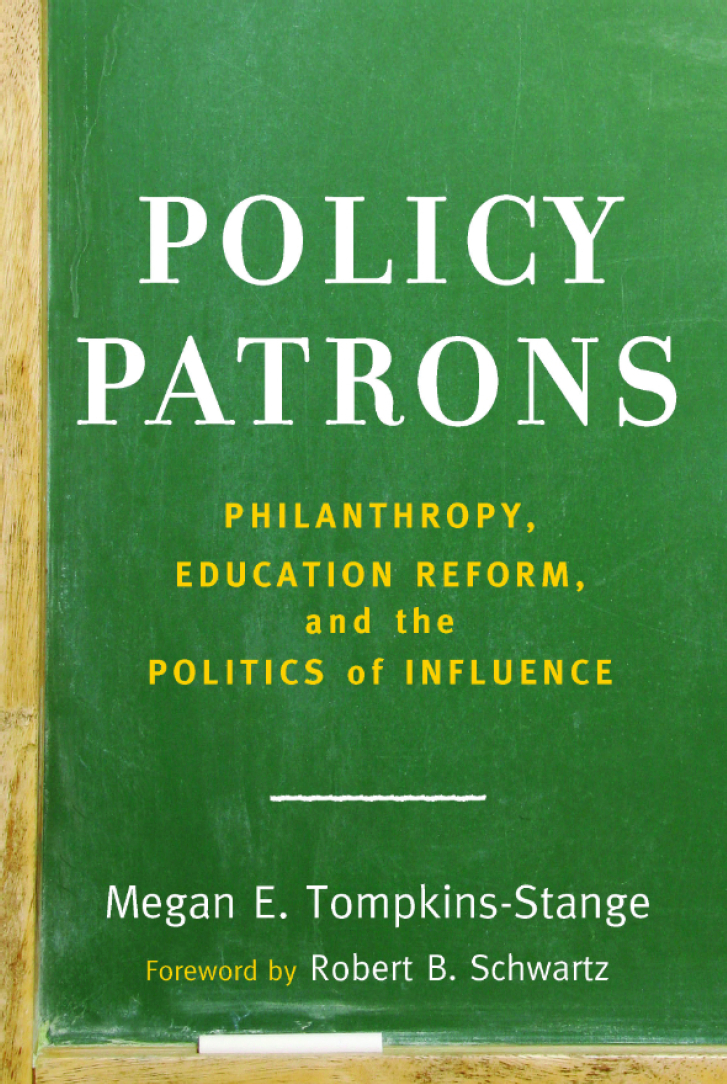
We should be more concerned about foundations’ outsized role in education policy.

Why investing in social enterprise can not only help the next US President leave a social innovation legacy, but also make a transformative impact on the lives of the Americans who need it most.

The Atlantic Philanthropies and its network of partners are using advocacy and communications to end capital punishment in the United States once and for all.

How a commitment to effective messaging research helped reframe the debate around freedom to marry and win greater support.
Many media companies are using algorithms this US election year that are having the effect of accentuating people’s differences and stoking their fears. Is it time for social innovators to build new tools that help promote a more tempered, consensus-based discourse?

These books offer perspectives on how we can enable a broader range of people to participate in our systems and institutions.