Collaboration
Grassroots Change
To create long-lasting social change, organizations and programs must become embedded in the local community.
To create long-lasting social change, organizations and programs must become embedded in the local community.
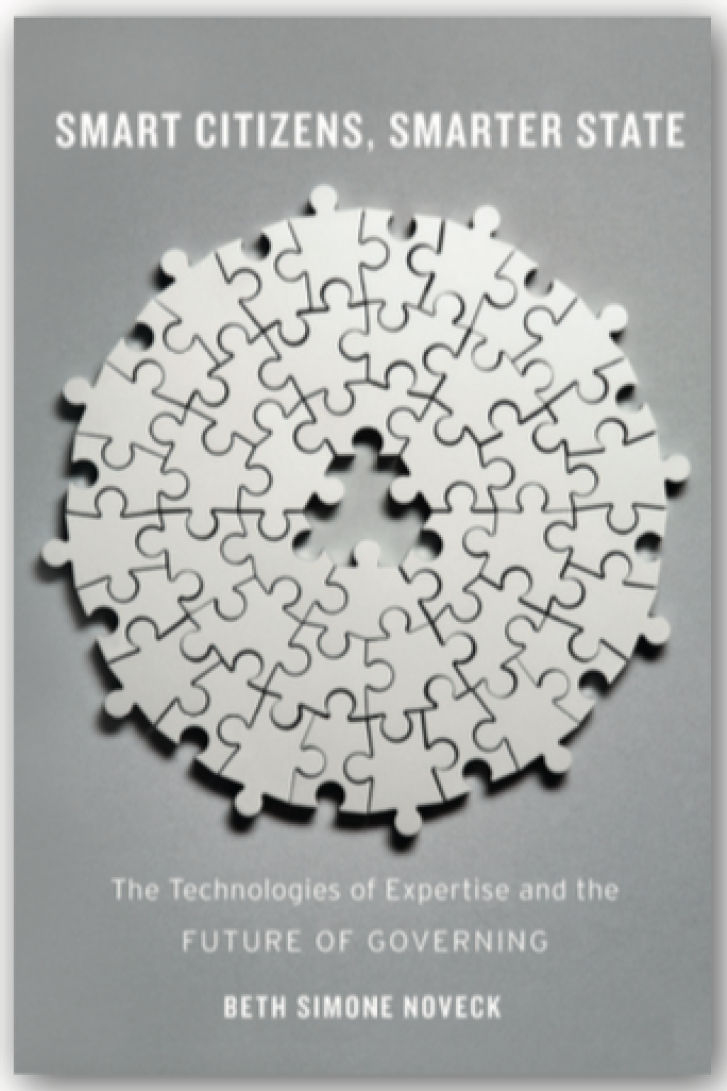
In an era of instant feedback and crowdsourcing, the government misses out when it relies solely on authorized voices.
IDEO brings a human-centered design lens to voting in Los Angeles County—and finds compelling opportunities to increase participation nationally.
To increase voter turnout, other approaches are needed—ones intended not to inflame passions about what may be at stake in a particular election but instead to connect more voters to the process of voting and to the value of participating in our democracy.
To the surprise of many, making the act of voting easier hasn’t actually led to higher voter turnout. To increase turnout, we need to get more people interested in politics.
Changing from winner-take-all single member districts, which limit voters' choices and races' competitiveness, to a multi-party system could significantly increase voter turnout.
Studies of voter registration systems around the world and recent reforms in the United States suggest that automatic voter registration can significantly increase registration rates and enhance turnout.
We can drive more capital to community-driven solutions that deliver results, but first we need a change in mindset—one that focuses on outcomes—using data and partnerships.
Inclusive governance will require that civil society, government, and industry work together to empower citizens.

A new type of charity has emerged in China that is able to sidestep some of the controls that the government places on NGOs.