Philanthropy
America’s Least Philanthropic Companies
Put companies on alert that their refusal to give back to the community is not going unnoticed.
Put companies on alert that their refusal to give back to the community is not going unnoticed.
McCoy's exploration of business ethics translates across sectors.
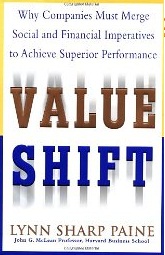
The author has penned an engaging book that unravels the complicated issues surrounding business ethics.

Can businesses deliver strong returns to shareholders while also promoting the health of people and the planet? In this audio lecture recorded at Bridging the Gap, the 2005 Stanford Net Impact conference, Gary Hirshberg, the phenomenally successful pioneer of the organic foods industry, utters a resounding yes.

How can philanthropy mesh with a company's core strategy? In this panel discussion, executives from cutting-edge corporate donors share the various strategies used by their companies to serve societal needs. They consider issues such as the value proposition of giving for shareholders, and whether for-profits' philanthropic efforts can be purely altruistic.
Does dedicating the fruits of crime to a charitable purpose cleanse them of their taint?

In the 2004 general election, California voters approved Proposition 71 by a vote of 59 percent. The initiative established a $3 billion bond measure to create the California Institute for Regenerative Medicine (CIRM) and fund stem cell research in the state of California. In this panel discussion, Prop 71 key players address the entrepreneurial challenges they have faced while pushing for a controversial, dramatic policy change.
The problem with assuming that companies can do well while also doing good is that markets don't really work that way