


IMPACT INDIA
Scaling Health Coverage, Quality, and Innovation Through the Public Sector
Three lessons from a long-term partnership to reach more than 100 million people with better health care in India.
Innovations in federal, state, and local government programs
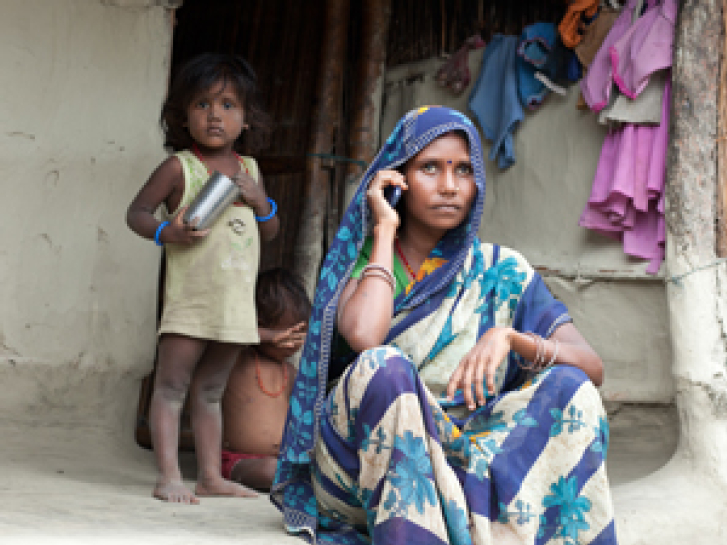
Three lessons from a long-term partnership to reach more than 100 million people with better health care in India.

Readers of a recent article on neighborhood trusts raised a number of objections to the author's proposal for revitalizing distressed urban communities.
Local governments and philanthropy are missing out on one of the biggest opportunities to positively affect the census: supporting the application of modern technology to increase the chances of a more complete count.
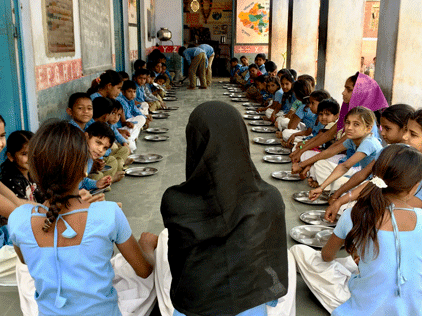
A look at what it takes to successfully deploy machine learning tools for social good and the most exciting opportunities ahead.

The current approach to community revitalization has helped arrest and even reverse the degradation of American neighborhoods. But it cannot solve the problem without local ownership and control of assets and the decommodification of property.

New experiments with civic engagement, outreach, and philanthropic models in Philadelphia offer inspiration for leaders across the social sector.

Three guiding principles for NGOs looking to find where they best fit within government-run systems and ensure long-term impact.

By wielding their deep experience in distressed local communities and using four methods for channeling investment into marginalized regions, foundations can play a deciding role in the success of the Opportunity Zone federal tax incentive.

A new impact investment vehicle may hold a key to addressing the West’s growing wildfire problem.
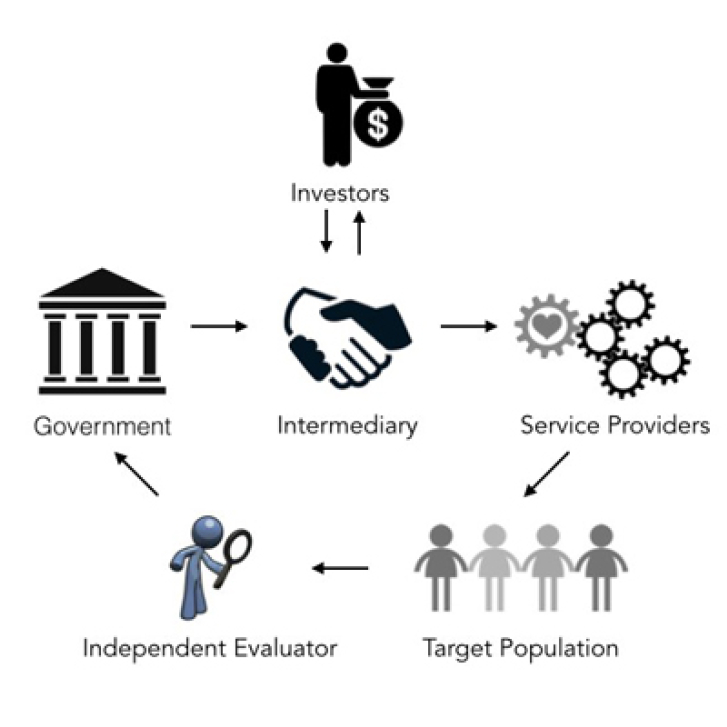
A look at how social impact bonds differ between projects and geographies, and how those differences impact practical implementation.