


Design Thinking
Protecting Heritage in Wartime
The Ark for Ukraine project is a groundbreaking mission to preserve Ukrainian culture using mobile technology.
Innovative ways to use cell phones and other mobile devices for social good
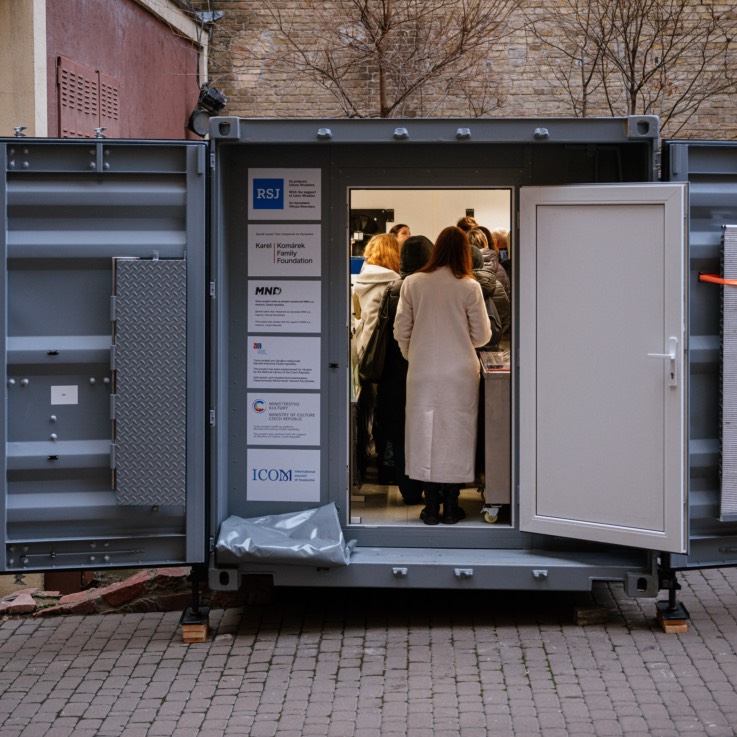
The Ark for Ukraine project is a groundbreaking mission to preserve Ukrainian culture using mobile technology.

A collaboration between Nike and the Tucker Center taught us about how to keep girls in sports and how to get more from cross-sector partnerships.
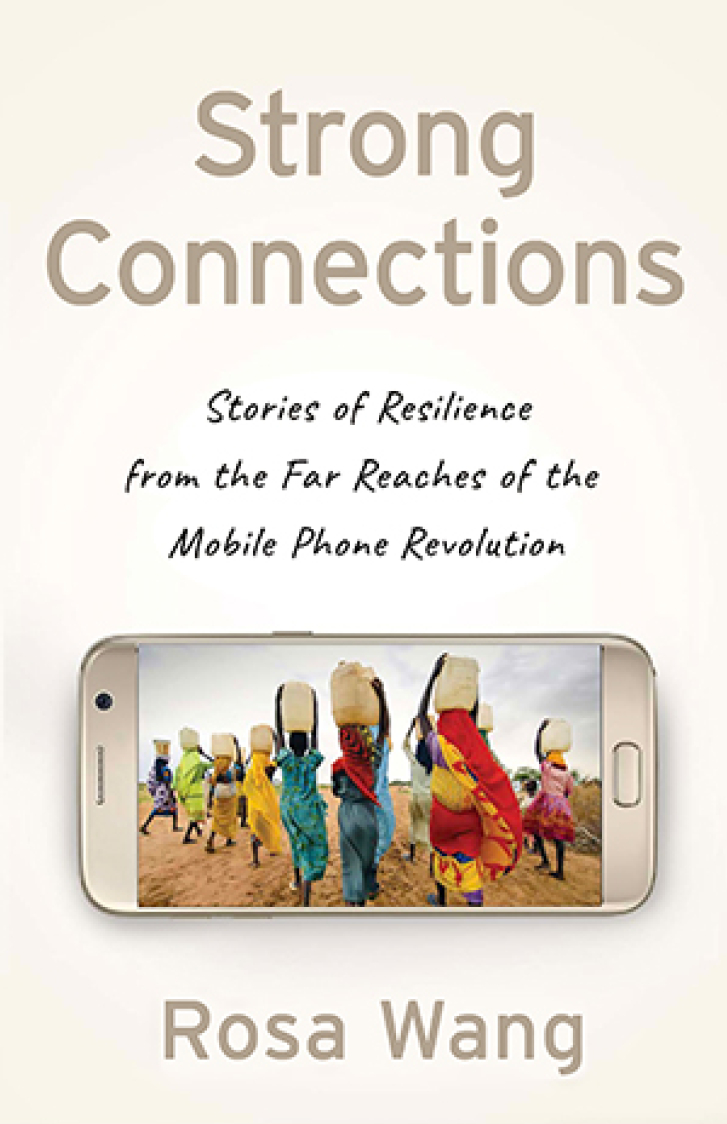
An excerpt from Strong Connections on digitally powering grassroots innovation.
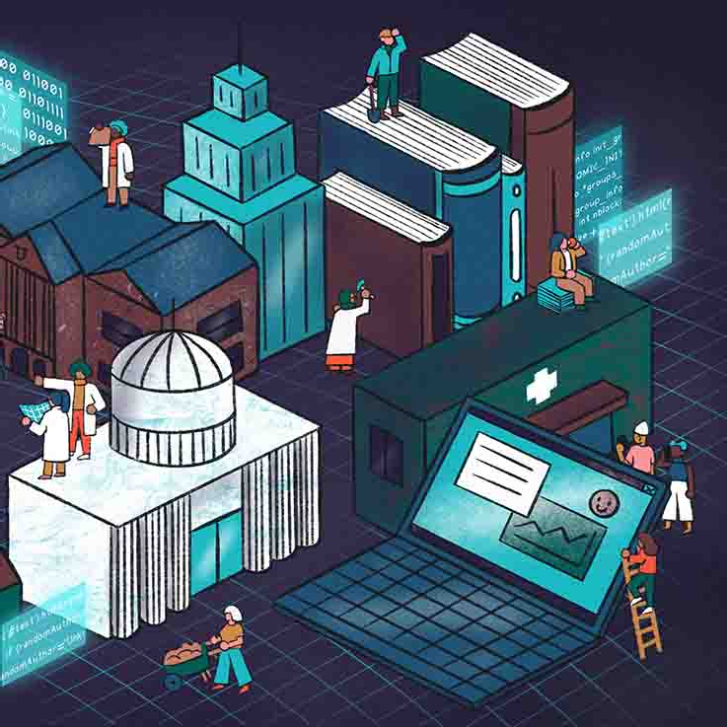
How a robust public interest technology field can overcome historical inequities and ensure that everyone can fully benefit from technology.

LibertApp is proving how technology can be used to stop human trafficking and save lives.


How the work of bringing voter registration kiosks into emergency rooms has become more urgent—and more difficult—during the COVID-19 pandemic, and also expanded in scope. Part of a series on civil society's response to the pandemic.
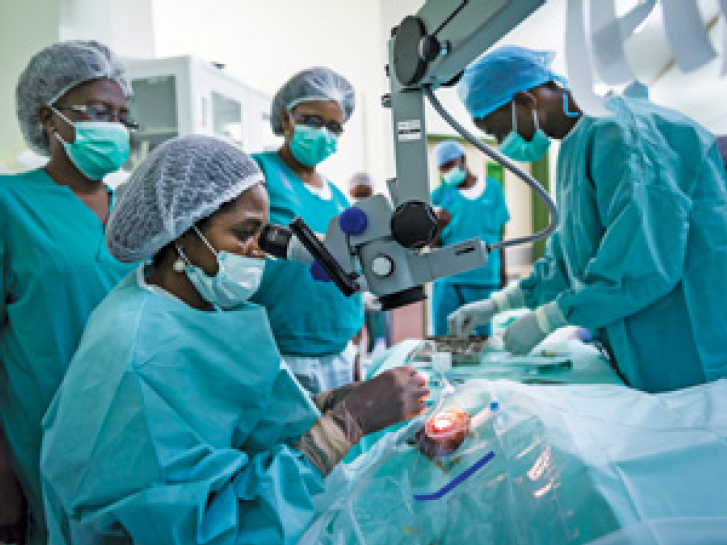
Massive investment in surgical care is essential for achieving the Sustainable Development Goals and improving health equity. The surgical device industry should take the lead. Open access to this article is made possible by Harvard Medical School.

Safe Shelter Collaborative dramatically reduces the time that survivors of domestic violence and sex trafficking have to wait to secure safe accommodation. A Field Report from the Summer 2019 issue.

Blockchain has done more than simply enable Chinese social entrepreneurs to improve the transparency, trustworthiness, and fundraising of the country’s charitable causes. It has helped launch a more decentralized and autonomous philanthropic sector.

Local governments and philanthropy are missing out on one of the biggest opportunities to positively affect the census: supporting the application of modern technology to increase the chances of a more complete count.