


Design Thinking
The Next Chapter in Design for Social Innovation
To address more complex social challenges, design thinking must become radically more collaborative and oriented toward systems change.

To address more complex social challenges, design thinking must become radically more collaborative and oriented toward systems change.

Project ECHO developed a revolutionary model for helping doctors and clinicians in New Mexico to treat hepatitis C. It spread around the world to address numerous chronic diseases. With the COVID-19 pandemic, it found its moment.

When half of the staff at Leading Edge reported feeling a lack of psychological safety at work, the problem wasn’t bullying but the promotion of a workplace culture that only allowed positivity.
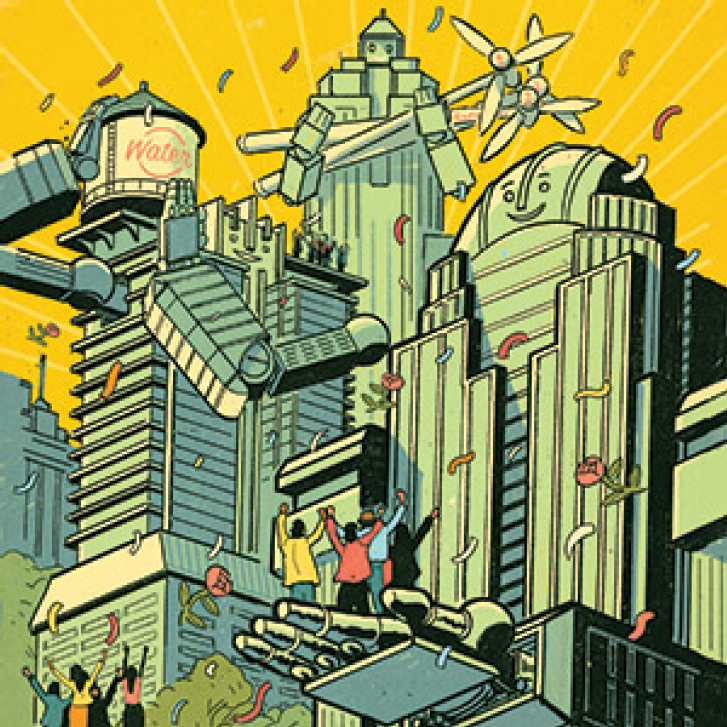
The strategic alignment between business and corporate foundations, impact funds, and accelerators shows enormous potential for achieving social impact. But they can align in different ways, each with its strengths and weaknesses. A feature story in the Summer 2020 issue.
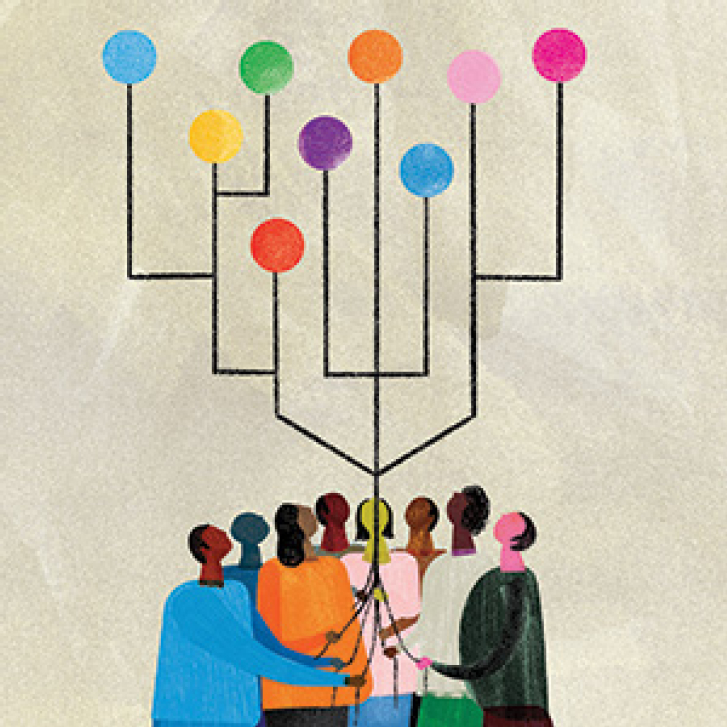
The value of a nonprofit is the presence and participation of its stakeholders and constituents. Technology creates the framework to make that value real. Part of the Technology for Change supplement sponsored by Salesforce in the Summer 2020 issue.

Urban Institute’s work highlights the transformative potential of investing in data and tech.

Pencils of Promise CEO Tanya Ramos blazes new trails as an early adopter of digital tools.

Uncovering invisible patterns in vast datasets cannot only automate a variety of tasks, freeing up people to do more valuable and creative work that machines can’t do, but provide new kinds of learning.

Businesses can help advance gender equality by shifting individual behavior, committing to inclusive organizations, and using their external influence to shape new social norms.

The social sector is drowning in evidence-based research but more often than not fails to use it effectively. Bridging the divide requires a more holistic approach to decision-making. A feature story from the Spring 2020 issue.